


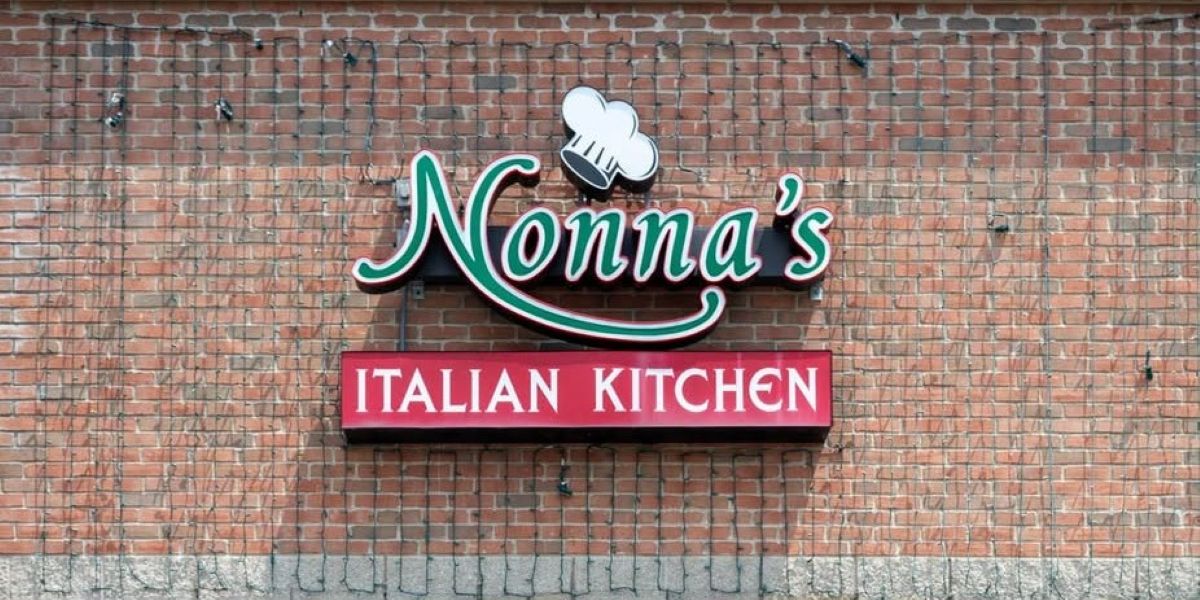
- The High Court in Pretoria ruled that Nonnas Pasta infringed Soft Coffee's registered "NONNA'S" trademarks.
- The court found that the competing names were likely to confuse consumers, even though the businesses serve different markets.
- Nonnas Pasta has been ordered to stop using the name, destroy all infringing material, and will face an enquiry into damages.
It was a battle of the pastas, and the High Court in Pretoria has now determined who owns the name.
In a trademark dispute between restaurant chain owner Soft Coffee (Pty) Ltd and dry pasta manufacturer Nonnas Pasta (Pty) Ltd, Judge O Mooki ruled that the manufacturer unlawfully infringed registered "NONNA'S" trademarks by selling products under the name "Nonnas Pasta."
The court ordered the company to stop using the name, destroy all infringing products and branded material, and face an enquiry into damages.
A fight over one word
Soft Coffee, which runs the Nonnas Italian Kitchen restaurant chain across South Africa, approached the High Court seeking an interdict against Nonnas Pasta. The company owns four registered trademarks that include the word "NONNA'S," and argued that the manufacturer's use of "Nonnas Pasta" infringed on those rights.
The respondents listed in the application were Nonnas Pasta (Pty) Ltd, the Registrar of Trade Marks, and the Companies and Intellectual Property Commission, although only the pasta manufacturer opposed the case.
Soft Coffee argued that "NONNAS PASTA" was visually, conceptually, and phonetically almost identical to its registered trademarks, and that consumers could be misled into believing there was a commercial connection between the two businesses when none existed.
Different pasta, same name
Nonnas Pasta insisted there was no real likelihood of confusion. Its director, identified only as Mr Savides in the judgment, argued that the businesses operated in different markets. While Soft Coffee ran restaurants selling freshly prepared meals, Nonnas Pasta manufactured dry pasta supplied to retailers for resale.
The manufacturer also said its customers were generally lower-income consumers buying affordable packaged pasta, while the restaurant chain catered mostly to middle- and higher-income diners. It further argued that the packaging, branding, and presentation of the products were completely different, and that there had been no evidence of actual consumer confusion.
The company maintained that it had been using the name before some of the applicant's trademarks were registered and argued that Soft Coffee was trying to monopolise the word "Nonnas."
Consumers could be confused, says judge
Judge Mooki rejected these arguments, saying that trademark infringement is determined by comparing the competing marks themselves, not the businesses' marketing strategies, packaging, or customer base.
Referring to established legal principles, the judge said, "The enquiry is confined to the marks themselves, and no regard should be had to other features of the get-up or other indications of origin of the goods."
The court found that "NONNAS" was the dominant feature of both brands, and that consumers could easily believe there was a connection between them. Judge Mooki concluded, "The usage of 'NONNAS PASTA' in relation to the registered trademarks is likely to cause deception or confusion for the notional user.
"'NONNAS PASTA' is phonetically, conceptually, and visually the same as the applicant's registered trademarks…. I therefore conclude that the applicant established its case for infringement based on section 34(1)(a) of the Trade Marks Act."
Why the court rejected the defence
During the hearing, Nonnas Pasta tried to rely on a provision of the Trade Marks Act that protects businesses who have made continuous and bona fide use of a mark before another party registered it.
Judge Mooki, however, ruled that the defence could not succeed because it had never been pleaded in the legal papers. "The respondent did not plead a Section 36 defence," he said, adding that the court could not infer a complete legal defence that was readily available but had not been properly raised in the papers.
The judge also dismissed the manufacturer's argument that genuine disputes of fact prevented the court from deciding the matter on the papers.
Nonnas Pasta must rebrand and pay costs
Judge Mooki held that Soft Coffee had proved all the requirements for a final interdict. "It is immaterial that the applicant does not, for example, sell pasta to retailers or, for that matter, to people with low incomes," he said.
"The applicant has a right in law that entitles it to use its registered trademarks in any manner permitted by the law."
The court declared that Nonnas Pasta had infringed Soft Coffee's registered trademarks in terms of Section 34(1)(a) of the Trade Marks Act. It interdicted the company from using "Nonnas" as a trademark, ordered it to destroy or remove all infringing branding within 20 days, and directed that an enquiry be held to determine the amount of damages, or a reasonable royalty payable to Soft Coffee.
Nonnas Pasta was also ordered to pay Soft Coffee's legal costs.
Get your news on the go. Click here to follow the Conviction WhatsApp channel.


