






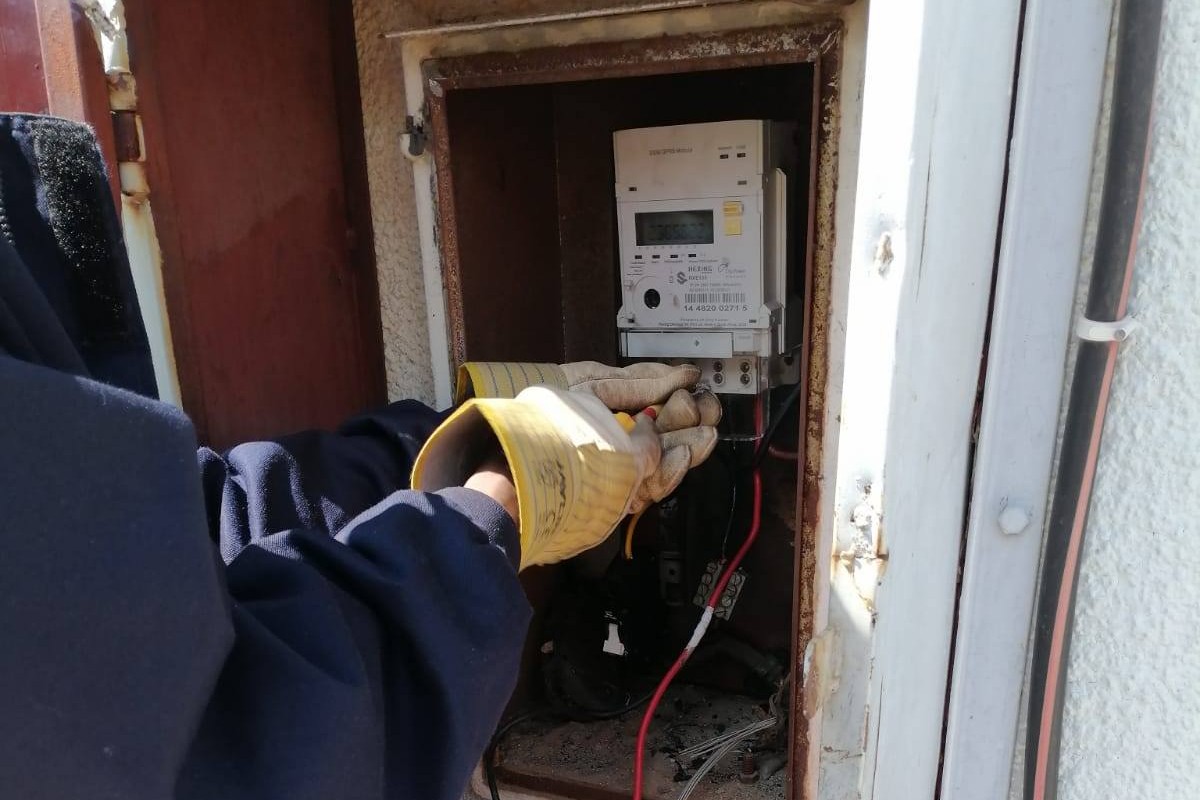
- Portia Jegels’ electricity was disconnected at her Buffalo Flats home on 10 December 2025.
- Buffalo City gave conflicting accounts about when and how the required pre-termination notice was delivered.
- Acting Judge Nkele found that the notice was not properly served and confirmed the interim order.
Portia Jegels approached the High Court in East London after Buffalo City Metropolitan Municipality disconnected the electricity at the home she occupied in Buffalo Flats, East London, on 10 December 2025. She said she had not received the required warning before the disconnection and had not been given an opportunity to respond.
Jegels only became aware of her right to receive a written pre-termination notice when she consulted her lawyers on 19 December 2025. She argued that the municipality was required to give her 14 days’ written notice before disconnecting the electricity and that the notice should have allowed her to make representations and, where necessary, make arrangements to pay outstanding municipal charges.
The municipality opposed the application and argued that Jegels did not have the necessary legal standing because she was not the owner of the property.
Municipality challenged her right to bring the case
Buffalo City said the property had belonged to a deceased owner and that municipal charges of R197 366.18 were outstanding. It argued that there was no direct contractual relationship between Jegels and the municipality and that responsibility for the municipal account rested with the deceased owner’s estate.
Jegels explained that she had occupied the property since January 2023 under a verbal lease agreement with the former owner, who had died. She maintained that she was entitled to challenge the termination of electricity because she was the person occupying the property and using the municipal service.
Acting Judge TA Nkele rejected the municipality’s argument that Jegels could not approach the court. The judge said previous decisions of the Constitutional Court and Supreme Court of Appeal had established that tenants and occupiers can challenge the unlawful termination of municipal services even when they do not have a direct contract with the municipality. The court therefore found that Jegels had the necessary legal standing to challenge the electricity disconnection.
Municipality gave conflicting dates
The main issue was whether Buffalo City had properly served Jegels with a pre-termination notice. The municipality said the notice had been delivered by Marcus Mazo, an employee of Yande Engineering & Projects, which had been appointed as its agent.
However, the municipality’s evidence contained different dates for the alleged delivery. Its answering affidavit said the notice had been delivered on 20 December 2024, while the notice itself was dated 29 January 2025. A service affidavit by Mazo gave another date, stating that he had delivered a 14-day pre-termination notice on 23 April 2025 and had left it at the gate because nobody came out to accept it.
Judge Nkele found that these versions could not be reconciled. The judge pointed out that a notice dated 29 January 2025 could not have been delivered on 20 December 2024, while the service affidavit introduced 23 April 2025 as another delivery date. The municipality had therefore failed to provide a clear and convincing account of when the notice was actually delivered.
Notice was not properly served
The court also considered how the notice had allegedly been delivered. Buffalo City’s electricity by-laws set out specific methods for serving a pre-termination notice. Where delivery by hand is used, the notice must be delivered personally, left at the residence with someone apparently older than 16, or, if those options are not possible, placed in a conspicuous place on the property. The municipality’s evidence was that its agent had left the notice at the gate after nobody came out to accept it.
Judge Nkele found that this did not comply with the requirements of the by-laws. The judge said the purpose of the notice was to ensure that a person affected by a proposed electricity disconnection was informed and allowed to respond. The court found that the municipality had failed to establish that the notice had properly reached Jegels.
Disconnection was also outside the prescribed period
The court identified another problem with the municipality’s case. The by-laws provide a specific period for serving the written termination notice before electricity can be disconnected. Yet Jegels’ electricity was only disconnected on 10 December 2025. Even if the municipality’s version of the delivery dates was accepted, the disconnection happened outside the period allowed by the by-laws.
If the notice had been delivered on 20 December 2024, as stated in the answering affidavit, the electricity was disconnected almost a year later. Even if the 23 April 2025 date in the service affidavit was accepted, the disconnection still occurred well outside the prescribed period.
Acting Judge Nkele therefore found that the municipality had failed to properly serve the pre-termination notice and that the electricity disconnection was unlawful.
Interim order confirmed
The court concluded that Jegels had established that the electricity disconnection was unlawful. Judge Nkele confirmed the rule nisi and interim order that had been granted on 22 December 2025.
Buffalo City Metropolitan Municipality and its municipal manager were ordered to pay the costs of the application jointly and severally, with one paying the other to be absolved.
Get your news on the go. Click here to follow the Conviction WhatsApp channel.


