


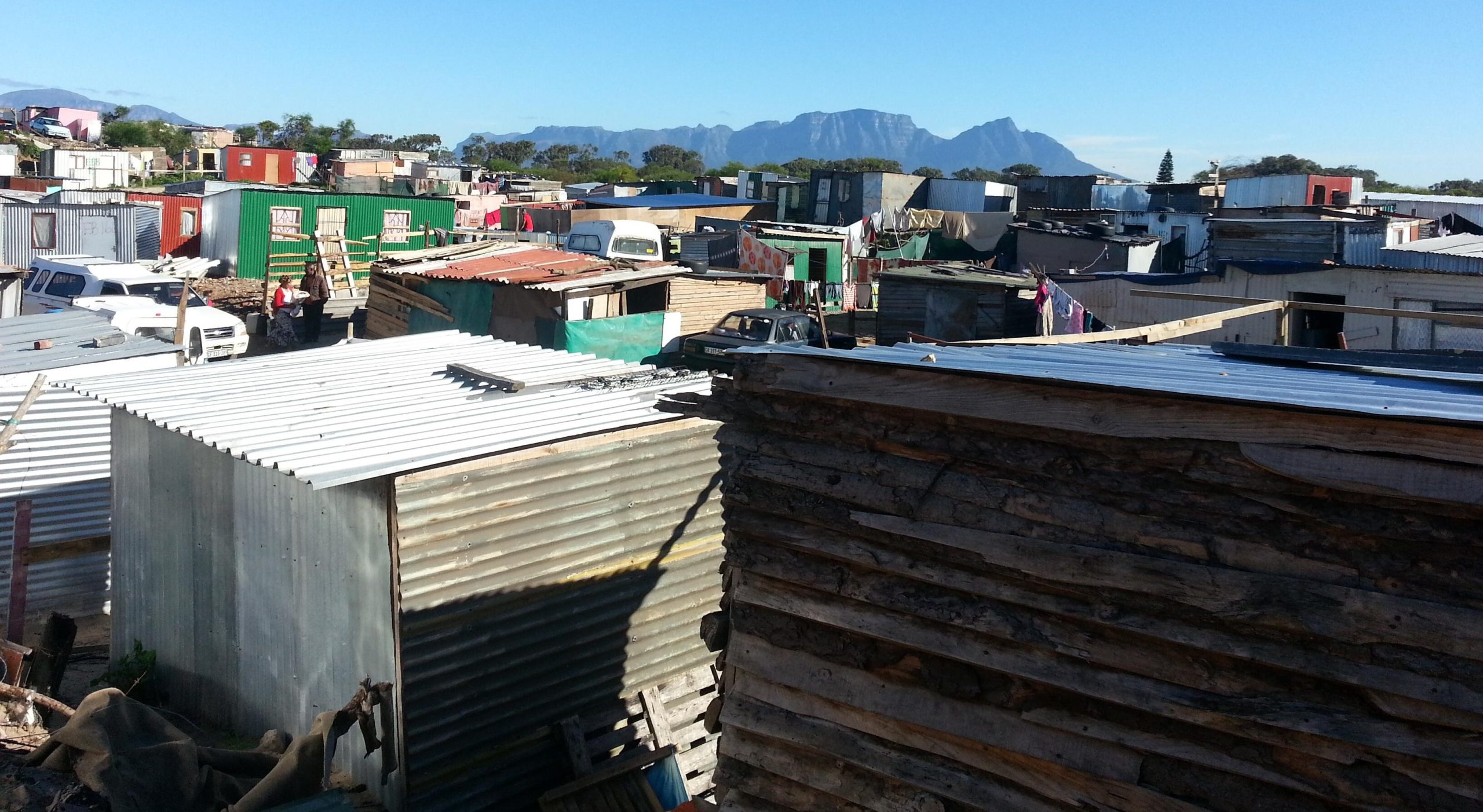
- High Court ruling on Isiqalo settlement postpones eviction, spotlighting competing constitutional guarantees.
- Landowner’s property rights weighed against residents’ right to housing under Sections 25 and 26.
- Judgment raises urgent questions about government’s role in balancing rights amid worsening housing crisis.
In a judgment that starkly illustrates the collision of rights in South Africa, the Western Cape High Court has ruled on the future of the Isiqalo informal settlement, where private property ownership and the desperate need for housing continue to collide.
The case, brought by Robert Ross Demolishers (Pty) Ltd against the City of Cape Town and other state entities, has dragged on for more than a decade. On 19 August 2025, the court dismissed several of the landowner’s claims but did not grant an eviction order. Instead, it postponed proceedings, leaving the property owner without immediate remedy and the residents of Isiqalo facing ongoing uncertainty.
At the heart of the case lies one of South Africa’s most difficult constitutional questions. Section 25 of the Constitution protects property rights, while Section 26 guarantees the right to housing. In practice, these two rights often collide, and the Isiqalo dispute has become a striking example of how the courts must navigate this delicate balance.
When rights collide
For the applicant, the matter was straightforward. Its property had been unlawfully occupied since 2012, and the state had failed to act to defend its constitutional right to ownership. For the residents, many of whom built their lives from scratch in Isiqalo, the matter was equally urgent. Their shelters, however modest, represented the only homes they had, and their hope was rooted in the constitutional promise of housing.
The court noted that both sides had been let down. The landowner was left unprotected in its ownership, while the residents were left without meaningful alternatives for relocation. This dual failure placed the burden squarely on government, raising the question of whether the state is prioritising its constitutional duties or avoiding them altogether.
The growth of Isiqalo
Isiqalo began in April 2012 as a small occupation of Portion 20 of the Farm 787. Over the years it has evolved into a structured community with its own form of organisation and stability. Expert reports, including those by Professor Marie Huchzermeyer, described Isiqalo as a functioning settlement that reflected resilience in the face of poverty.
For the property owner, the growth of the community has deepened the frustration. Each delay made eviction more complicated and each year entrenched the residents further on the land. Meanwhile, the City of Cape Town repeatedly argued that resource shortages prevented it from offering realistic housing alternatives, further weakening its legal stance.
Searching for balance
By postponing the eviction, the court signalled the impossibility of resolving the clash of rights without a wider and more decisive government response. It underlined that constitutional rights do not exist in isolation, and that in cases like Isiqalo they collide in ways that cannot be solved through litigation alone.
The judgment leaves both the landowner and the residents in limbo, but more importantly, it casts a spotlight on the government’s failure to act decisively in tackling South Africa’s housing crisis. Unless stronger cooperation between different arms of state is achieved, and unless both property and housing rights are taken seriously, cases like Isiqalo will continue to surface as flashpoints of inequality.
For now, Isiqalo remains both a home and a battleground, a settlement that embodies the unresolved tension between the right to property and the right to housing.
Conviction.co.za
Get your news on the go. Click here to follow the Conviction WhatsApp channel.


