


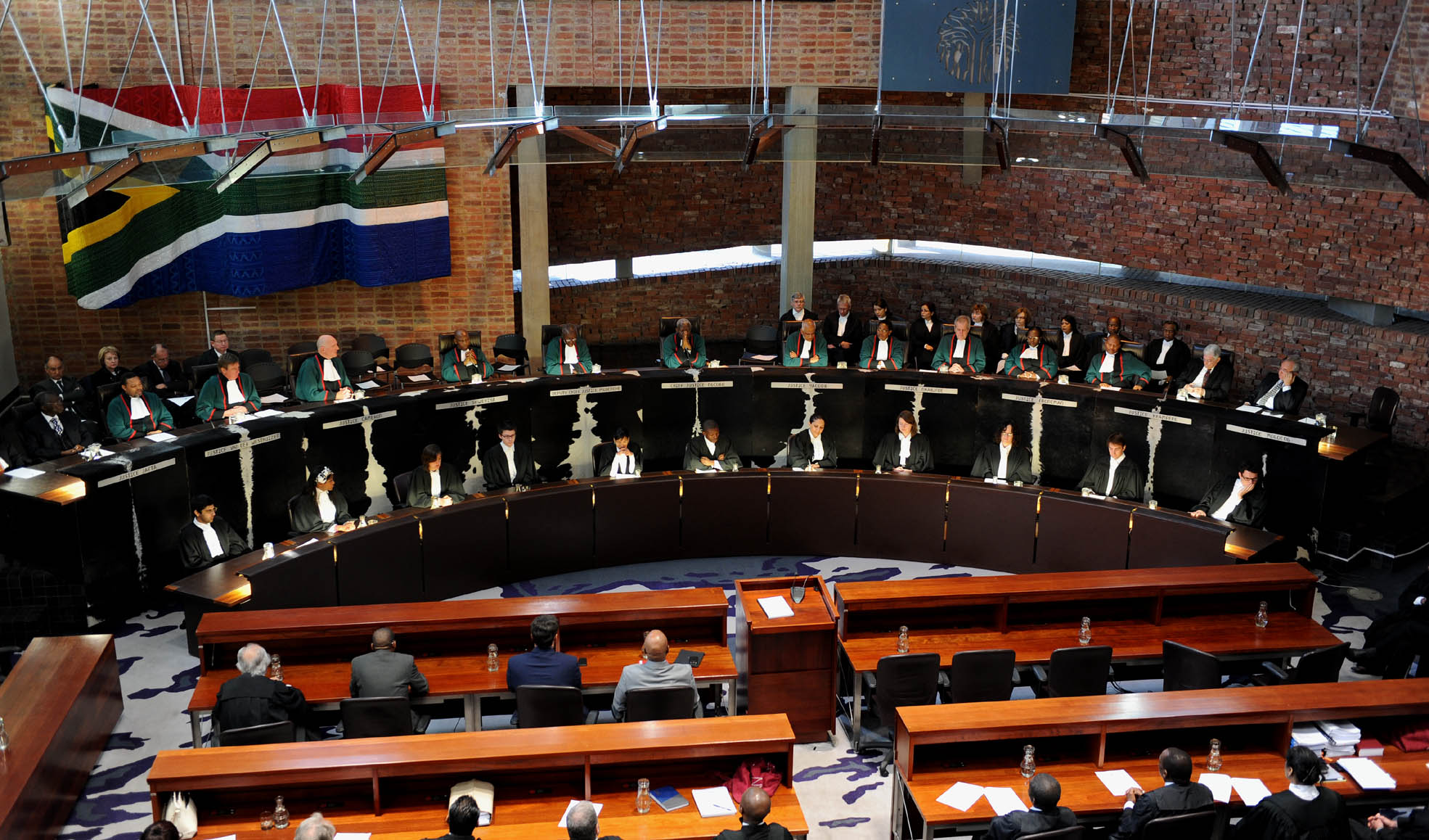
A dispute regarding servitude rights in Constantia has reached the Constitutional Court, highlighting crucial issues in property law and land-use classifications.
The disagreement between neighbours centred on whether the registered servitude was praedial or personal, a distinction with significant implications for future ownership. If praedial, the servitude would remain tied to both properties permanently, affecting successive owners. If personal, it would benefit only the current dominant property owner and terminate upon their death or sale.
The servitude originated with Margot Berzack, who purchased the property in 1970. At the time, her house was situated on the eastern side, with the garden extending westward and marked by a wooden fence.
In 1982, Berzack sought to subdivide and sell the unused portion of her land but encountered a zoning restriction, local ordinances required a minimum erf size of 4,000m², making subdivision difficult. Had she divided the property into two equal-sized erven, the new boundary would have cut across the paved section near her swimming pool.
To retain access to her full garden, Berzack negotiated a servitude agreement, allowing her and her successors to maintain the section of the garden located on the newly subdivided property. This arrangement was agreed upon with the purchaser, Arnold Gerhard Wellens, who confirmed in an affidavit that the servitude was created to reflect Berzack’s intent.
The servitude was formally registered on 21 September 1983, upon transfer of the subdivided erf to Wellens. It remained active through successive property transfers, including the most recent deed when Rodney and Samantha Bain acquired the servient property on 28 February 2017.
Servitude classification
The dispute escalated when the Bains contested the servitude, arguing that its conditions, particularly those governing garden upkeep and access, imposed unfair restrictions on their ability to manage their property. Their frustration deepened when attempts to modify fencing, intended to prevent their pets from entering Berzack’s maintained garden, were rejected.
Following hearings on 12 March 2024 and crucial for property law in the country, the Constitutional Court debated whether the servitude should benefit the land itself or merely the individual owner.
Acting Justice A Dodson, delivering the majority opinion, ruled that the servitude was personal, meaning it existed solely for Berzack’s use and would expire upon her death or property transfer. The ruling emphasised the need to balance servitude rights with modern property law, ensuring that servitudes do not impose excessive or indefinite burdens on future owners.
A case for praedial servitude
Acting Justice M Chaskalson, in a dissenting opinion, argued that the servitude should be classified as praedial, ensuring its continuity beyond Berzack’s ownership. He reasoned that the servitude was intended to preserve the garden’s aesthetic and functional integrity and should remain enforceable across successive property transfers. He warned that limiting servitudes in this way could set a precedent affecting broader land-use regulations and urban planning.
The Constitutional Court’s decision ultimately upheld the Bains' right to seek rectification, confirming the servitude as personal and ruling that it would expire upon Berzack’s death or the sale of her property.
#Conviction
Get your news on the go. Click here to follow the Conviction WhatsApp channel


