


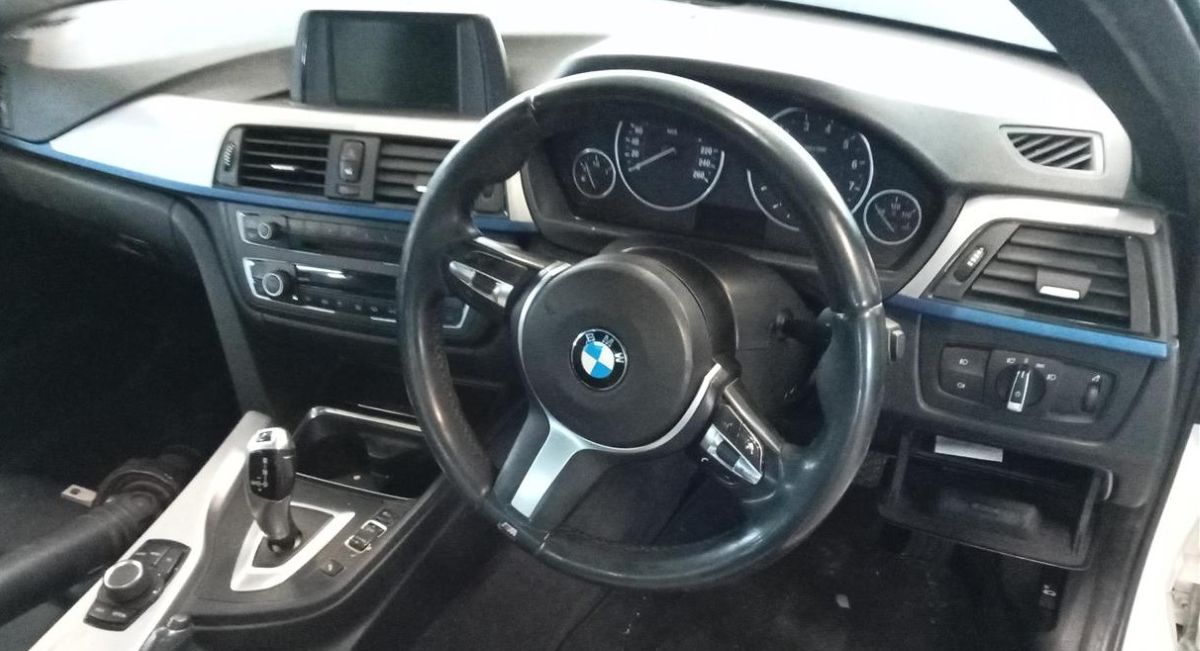
- High Court rules consumers decide whether defective vehicles should be repaired, replaced or refunded.
- Dealer ordered to refund more than R212 000 after BMW continued developing serious mechanical defects despite repeated repairs.
- Court finds Consumer Protection Act does not give suppliers a right to insist on further repairs.
Consumers, not car dealers, have the right to decide whether a defective vehicle should be repaired, replaced or refunded under the Consumer Protection Act, the High Court in Cape Town has ruled.
Acting Judge M Louw found that a supplier cannot insist on repeatedly repairing defective goods where the law gives that election to the consumer, ordering a Cape Town dealership to refund more than R212 000 for a BMW that continued suffering serious mechanical failures despite extensive repairs and an engine replacement.
The judgment arose from a dispute between Robert Lubbe, Sugarberry Trading 697 CC trading as Autoworld, and MQ Finance Pty Ltd trading as Marques Finance over a 2012 BMW 320i M Sport purchased in December 2022. While the finance company opposed parts of the application, the central dispute concerned whether the dealership was obliged to refund the purchase price after repeated repair attempts failed to resolve the vehicle's defects.
BMW repeatedly broke down
Lubbe purchased the BMW from Autoworld in Goodwood using finance provided through MQ Finance. Within weeks, the vehicle developed persistent overheating problems and was returned to the dealership for repairs.
The repairs proved unsuccessful. The BMW was returned to the dealership a second time and remained there for about three months while further work, including replacement of the water pump, was carried out. Lubbe also discovered that repairs to the gearbox and front brake sensor had allegedly been carried out before the sale, without being disclosed to him.
When the defects persisted, Lubbe demanded that the dealership take back the vehicle and refund him. Autoworld refused, maintaining that it was entitled to attempt further repairs before a refund could be considered.
Settlement failed to solve the problem
The dispute was referred to the National Consumer Commission and later resolved through a settlement agreement.
Autoworld undertook to replace the BMW's engine, complete all outstanding repairs, reimburse Lubbe for instalments he paid while deprived of the vehicle, and provide additional warranties in line with the Consumer Protection Act. The agreement also required the quality of the repairs to be independently assessed before the vehicle was returned.
Although the replacement engine was installed, the BMW again developed serious defects. Lubbe reported excessive oil consumption, smoke on start-up, battery failures, dashboard warning lights, uneven idling and engine stalling. He informed the dealership that the vehicle could no longer be driven safely and sought guidance on how it intended to honour the warranties.
According to the evidence before the court, the dealership never responded and carried out no further repairs.
Dealer insisted on another opportunity
Autoworld argued that Lubbe was not entitled to a refund because he had elected to have the vehicle repaired. It maintained that it remained entitled to inspect and repair the BMW, disputed the seriousness of some of the reported defects, and argued that the applicable warranties had expired before legal proceedings commenced.
MQ Finance argued that it merely financed the transaction and was not responsible for the condition or quality of the vehicle, contending that any remedy lay against the dealership.
Consumer decides the remedy
Judge Louw rejected the dealership's interpretation of section 56 of the Consumer Protection Act. The judgment does not recognise or establish a supplier's right of first repair under section 56 of the CPA in all circumstances, the judge said, adding that the dealer's interpretation of both the legislation and previous case law was incorrect.
The judge held that section 56 expressly gives the election to the consumer and not the supplier. There is little evidence before courts that consumers are routinely informed that, where goods fail to satisfy the standards contemplated in section 55, they may elect, within the six months, not only repair but also replacement or a refund, Judge Louw said.
The judgment warned that consumers are often steered towards repeated repairs without ever being told that the law gives them alternative remedies.
Defects were serious and persistent
Judge Louw found that Lubbe's BMW suffered from material defects that substantially impaired its usefulness and reliability. The court distinguished the case from earlier judgments involving relatively minor faults, noting that the BMW repeatedly overheated, required an engine replacement, spent months in the workshop and ultimately became undriveable.
The judge said the dealership had spent almost R95 000 repairing a vehicle purchased for about R189 995, yet the defects continued.
These facts underscore both the seriousness and persistence of the defects and demonstrate that they go far beyond the relatively minor defects considered in earlier cases, the judgment states.
Judge Louw concluded that, whether Lubbe's claim fell under section 56(2) or section 56(3) of the Consumer Protection Act, he had established his entitlement to a refund because the dealership had repeatedly failed to provide a lasting remedy.
Court grants refund
The High Court ordered Autoworld to accept the return of the BMW and refund the full purchase price of R212 136. The money must first be paid directly to MQ Finance to settle Lubbe's outstanding finance agreement, after which any balance must be paid to him.
The court also ordered the dealership to reimburse Lubbe R4 526 under the earlier settlement agreement, together with interest, and to pay his legal costs on the attorney and client scale, including counsel's fees.
Get your news on the go. Click here to follow the Conviction WhatsApp channel.


