


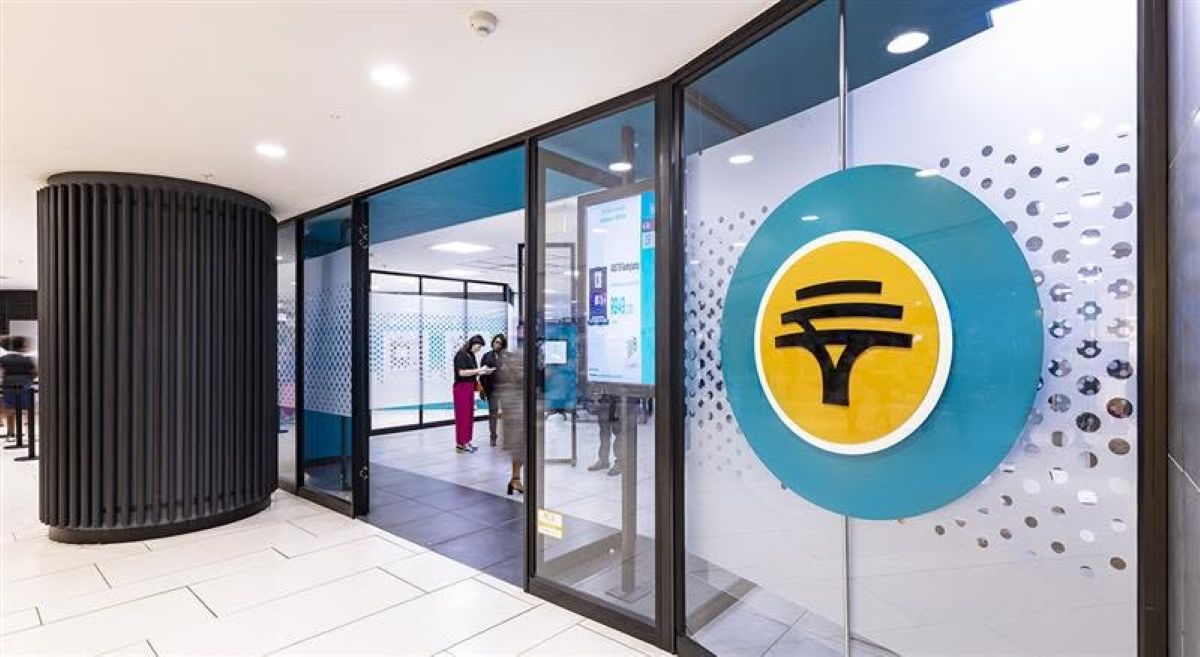
- FNB now faces a R1 million administrative fine after it was found to have exposed customers’ personal information and did not fix security weaknesses.
- Central Johannesburg TVET College has been fined R500,000 for not complying with an enforcement notice about how it handled employees’ personal information.
- Both cases show the serious consequences of not meeting obligations under the Protection of Personal Information Act, known as POPIA.
The Information Regulator has imposed administrative fines of R1 million on First National Bank (FNB) and R500,000 on Central Johannesburg TVET College for separate breaches of the Protection of Personal Information Act.
The FNB case is about the exposure of customers’ personal information through the bank’s digital home loan application system, as well as problems with its privacy policies and information management. The college’s fine came after it failed to comply with an earlier enforcement notice about how it handled employee information.
The regulator issued an infringement notice to the college on 9 October 2026 and signed the enforcement notice against FNB on 21 October 2026. The R1 million fine against FNB was separately confirmed with its own infringement notice.
FNB fined R1 million for exposing customer information
The regulator found that FNB did not properly protect customers’ personal information, after a security flaw let 696 unauthorised people access the information of 88 customers.
The issue happened because some account holders were wrongly classified as employees, giving them access to other customers’ home loan applications through the FNB app. These users could see applicants’ names, identity numbers and other personal information linked to their applications.
The exposed information included names, identity numbers, contact details, addresses, income and salary details, and account numbers. The account numbers of nine people were also revealed. The regulator found that this incident created real risks of identity theft, fraud, SIM-swap scams and even getting around banks’ Know Your Customer checks.
Bank failed to resolve security weakness despite warnings
According to the enforcement notice, a customer told FNB on 30 March 2022 that they could access other customers’ home loan applications, even while those applications were still being processed. A second customer reported a similar issue on 3 May 2022. The regulator found that FNB fixed the problem for the people who reported it, but did not find or fix the wider security weakness.
A similar complaint was made to the regulator on 27 September 2022. The regulator found that FNB treated these incidents as isolated problems, rather than seeing them as part of a broader compromise of personal information.
The regulator concluded that FNB did not put proper technical and organisational safeguards in place to stop unauthorised access, which is a breach of section 19 of POPIA. The regulator also considered the possible harm to affected customers, including the risk that their exposed information could be combined with data from other breaches to make identity theft and fraud easier.
Privacy policies and record retention also criticised
The regulator pointed out more problems with how FNB complies with POPIA. Its privacy policy did not properly provide for all the rights that people have under the Act. The regulator also found that FNB did not have a solid legal reason for collecting personal information from newspapers.
FNB’s policy allowed some records to be kept forever without a clear legal reason. These included cancelled or spoiled employee tax certificates, records about asset ownership under the Medical Schemes Act, and registers of securities.
The regulator also found that FNB relied on the wrong exceptions when explaining how personal information was processed further. Its privacy notice mentioned contractual performance and legitimate interests, but these did not count as valid exceptions under section 15(3) of POPIA in this case.
The regulator said these weaknesses, along with the security failures, added up to a breach of the rules for lawful processing of personal information.
FNB ordered to strengthen security measures
The regulator has ordered FNB to pay an administrative fine of R1 million under section 105 of POPIA for exposing customers’ account numbers.
FNB must also change its privacy policy and notices, review how it collects information from public sources, and make sure it has a clear legal reason for keeping personal information. Any records kept longer than needed without good reason must be deleted or destroyed.
The bank must look at how customer information is shared or further processed within its group and with third parties. It also needs to improve access controls, test and check its security safeguards, fix the problems found, and train staff to spot and report information security incidents.
FNB now has 30 days from when the infringement notice is served to pay the fine, ask for a payment plan, or choose to be tried in court for the alleged offence. The enforcement notice also requires the bank to submit proof of its compliance steps within 90 days of receiving the notice.
TVET college fined R500,000 for ignoring regulatory order
Central Johannesburg TVET College was fined R500,000 after the regulator found it did not comply with an enforcement notice issued on 22 May 2026.
The original case came after complaints from three people about employee information being shared with third parties without proper legal reason. This involved reports used to check employees’ qualifications and criminal records that were accidentally sent to other staff members.
The regulator’s earlier enforcement notice told the college to register an Information Officer and a Deputy Information Officer, apologise to the complainants, develop a POPIA compliance plan, train staff and take disciplinary steps against the responsible employee.
The college was given 120 days to carry out these steps. However, the regulator later found that it had not fully complied with the notice.
The college did not report the security breach in the way it was supposed to, did not develop the required compliance plan, and apologised late. The regulator also found that the college missed deadlines in its response.
Because the college did not comply with the original enforcement notice, the regulator found it had broken section 103 of POPIA and issued an infringement notice under section 109(1).
College given 30 days to respond to fine
The R500,000 infringement notice, signed by Information Regulator chairperson Advocate Pansy Tlakula on 9 October 2026, gives the college 30 days from when it is served to pay the fine, ask for a payment plan, or choose to be tried in court for the alleged offence.
If the college does not pay within that time, the regulator can submit a certified statement to a court. Under section 109(5) of POPIA, this statement can have the same effect as a civil judgment for the amount owed.
Get your news on the go. Click here to follow the Conviction WhatsApp channel.
