


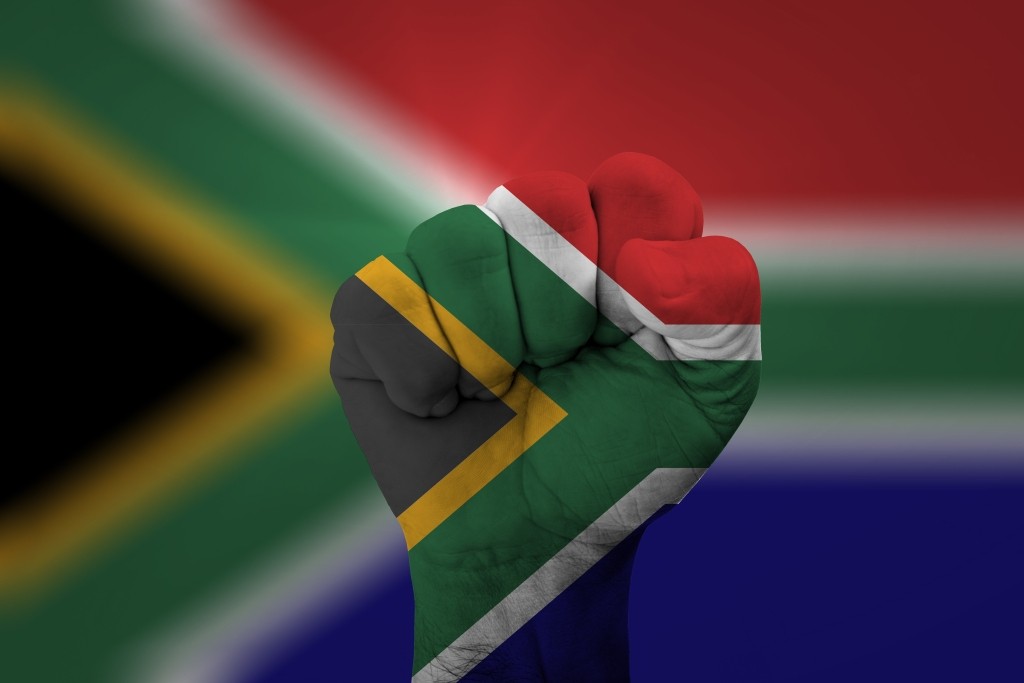
- Freedom Day remains a powerful reminder of South Africa’s democratic breakthrough and the sacrifices that made it possible.
- Growing poverty, corruption, violence, and declining voter participation have deepened questions about the meaning of freedom.
- The future of South Africa’s democracy depends on rebuilding trust, strengthening participation, and confronting inequality.
For millions of South Africans, Freedom Day is not merely a holiday; it is a day of unforgettable memory, a reliving of the hopes and promises of 1994. It is a profound reminder of the sacrifices made to dismantle apartheid and the triumph of democratic ideals.
Ahead of that first democratic election on 27 April 1994, 22 million citizens registered to vote, with over 19 million ultimately casting their ballots. For many, voting was not just a civic duty but a symbolic act of reclaiming dignity. It meant the possibility of equality, justice, and opportunity. It meant the promise of jobs, housing, education, any economic opportunity one could dream of, and a society where race would no longer determine destiny.
That magic vote became a life-changing opportunity for the nation. Today, more than 27 million citizens are registered to vote, but, in a sharp irony, as of April 2026, the Independent Electoral Commission has warned of a 30% decline in voter participation.
KwaZulu-Natal, among other provinces, has seen worrying signs of citizens turning to non-democratic alternatives. This decline in participation casts a shadow over Freedom Day 2026, transforming it from a celebration into a moment of introspection.
Amid this questioning, the South African Government’s Freedom Day theme, ‘Freedom and the Rule of Law Thirty Years of Democratic Citizenship’, invites us to ask what freedom truly means in South Africa today. Many are saying that, despite political freedom being attained in 1994, economic freedom remains elusive 32 years later. Freedom Day now reminds citizens of unfinished business, throwing into question the gains of democracy and whether elections will continue to change their lives in the future.
Questioning the meaning of freedom
The results of 32 years of democracy do not feel like freedom for many communities in South Africa. Some say the daily realities of crime, gang violence, corruption in municipalities, and the capture of the criminal justice system by private interests have steadily eroded public trust. What was once envisioned as a society where citizens could freely exercise their political rights has, in some constituencies, become a space of fear and intimidation. In certain crime-infested areas, citizens face a looming threat of violence when they try to vote.
The persistence of organised crime and the looting of public funds have further betrayed the gains of freedom. These failures weaken the very foundations of democracy. For many, the perceived inability of the criminal justice system to deliver justice raises profound concerns about the future. Indeed, some of the findings of the ongoing Madlanga Commission have laid bare how systemic corruption, political interference, and the entrenchment of criminal networks have compromised the 1994 gains.
Instead of celebrating prosperity during ‘Freedom Month’, as April has become known, South Africans find themselves confronting poverty, unemployment, gender-based violence, drug-related killings, water shortages, and deep-rooted corruption in government services.
Ahead of the 2026 municipal elections and the 2029 provincial and national elections, many citizens feel unsettled by the absence of a visible successor to President Cyril Ramaphosa. This uncertainty raises pressing questions about leadership and continuity. Who will confront poverty on behalf of the people while keeping the nation united? Who will repair the broken promises of three decades? And who will build a just, equal society where opportunities are shared fairly among all?
In 2026, Freedom Day is both a celebration of resilience and a call to action, reminding citizens that democracy is not self-sustaining; it requires active participation and vigilance. South Africa’s diversity, peace, and unity under the framework of freedom remain achievements worth defending, even as they are tested by inequality, corruption, and government failures.
Why participation still matters
The significance of Freedom Day is inseparable from the human rights gains enshrined in the 1996 Constitution, which introduced one of the world's most progressive Bills of Rights. Freedoms of expression, association, and equality became constitutional guarantees. Since 1994, South Africa has expanded access to education, healthcare, and housing, while institutions such as the Constitutional Court and the South African Human Rights Commission have safeguarded rights and accountability. These achievements are monumental and must be celebrated.
What is the future of democracy and voting in South Africa? The IEC’s warning about declining voter participation is particularly troubling. Elections are the cornerstone of democratic governance, ensuring accountability and representation.
A 30% drop in turnout will likely undermine the legitimacy of the government and risk eroding the very freedoms that Freedom Day celebrates. Ahead of the local government elections, the challenge is clear: citizens must be encouraged to see voting not as a symbolic act but as a vital tool for shaping governance and protecting rights.
South Africa’s democratic resilience also matters beyond its borders; it sets a positive precedent for governance across Africa. Freedom Day thus carries continental significance, reminding our neighbours and us that credible elections are essential to safeguarding human rights and democratic transitions and freedoms.
Civic participation is central to sustaining democracy. Declining voter participation reflects waning trust in institutions, but rebuilding confidence requires transparency, responsiveness, and tackling corruption. South Africa’s large youth population is particularly critical to sustaining momentum and preventing democratic backsliding.
Freedom Day 2026 also unfolds in a global context of turmoil. Wars in Ukraine and the Middle East, alongside widespread human rights violations, underscore the fragility of democracy worldwide. Authoritarianism is resurging, and democratic institutions are under strain. In this climate, South Africa’s continued commitment to free and fair elections and global peace is vital not only for its own people but also for Africa and the world.
Freedom Day is a reminder that democracy is a journey, not a destination. Ahead of the local government elections, Freedom Day should serve as a rallying point. Citizens must be reminded that their voices matter, that voting is not merely symbolic but a powerful act of shaping governance.
Freedom Day embodies the paradox of South Africa’s democracy, an equal society with unequal opportunities. It is a day of hope and despair, of celebration and critique. It reminds us of the promises of 1994, the progress made, and the challenges that remain.
It calls on citizens to reclaim democracy, to demand accountability, and to work together to create a society where freedom is not only political but also economic and social. Political freedom without economic freedom is no freedom at all. This is a corrective measure that will set the path of South Africa to a good end.
Get your news on the go. Click here to follow the Conviction WhatsApp channel.


