


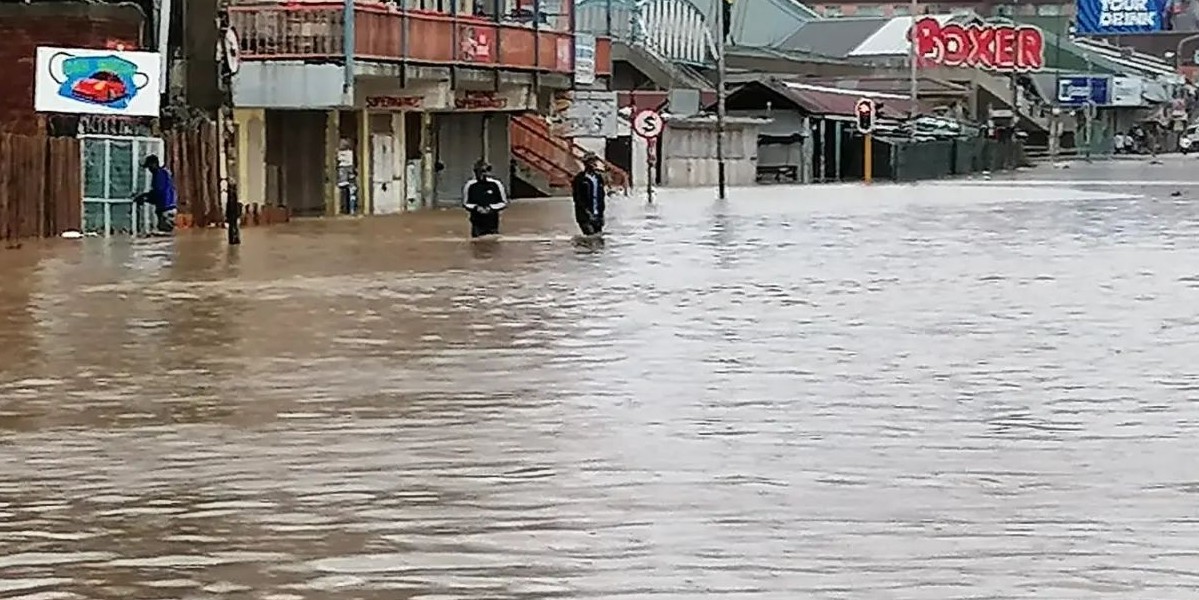
- The High Court in Durban has now legally recognised the presumed death of a two-year-old who was swept away during the 2022 floods.
- Judges corrected the official inquest record, which had mistakenly identified the child as a boy.
- The court found that the child died from drowning and ruled that nobody’s actions or failures led to her death.
More than four years after the devastating April 2022 floods in KwaZulu-Natal, the High Court in Durban has officially confirmed the presumed death of a two-year-old girl whose body was never found.
Acting Judge K Barnard, with Judge GM Harrison agreeing, upheld the findings of the Pinetown Magistrate’s Court inquest and said the proceedings were fair. The court said the evidence proved beyond reasonable doubt that the child had died, even though her remains were never found.
Swept away in the floods
The toddler disappeared on the night of 11 April 2022 when severe flooding destroyed her family’s home. Her mother and older sister were also swept away by the floodwaters but survived. The child, however, was never found.
Her mother reported her missing soon after the tragedy, leading to major search and rescue efforts by the South African Police Service and eThekwini Municipality. Despite these efforts, her body was never recovered.
The case comes from the catastrophic floods that claimed hundreds of lives across KwaZulu-Natal and led to a National State of Disaster being declared.
Court corrects clerical error
Because no body was ever found, the inquest was automatically sent to the High Court for review under the Inquests Act.
During the review, the judges spotted an inconsistency in the official J56 inquest form, which had incorrectly recorded the child as a boy. The magistrate explained it was an honest clerical mistake.
The child’s mother confirmed her daughter was born on 9 November 2019 and said the family’s birth certificate had been lost in the floods. The High Court formally corrected the record to show the child was a girl born on 9 November 2019.
No criminal wrongdoing
The court also considered whether it should have heard oral evidence. While public inquests usually prefer live testimony, the judges found this was an exceptional case. There were no factual disputes, no one asked for oral evidence, and there was no hint of criminal conduct.
Barnard said hearing oral evidence would not have helped the inquiry and would probably have caused the child’s mother more emotional distress and trauma after what she had already gone through.
The High Court confirmed the likely cause of death as drowning due to lack of oxygen and agreed with the finding that the death was not caused by anyone’s actions or negligence.
Get your news on the go. Click here to follow the Conviction WhatsApp channel.


