


- The court ruled the investigation report is the decision itself and not part of the review record, directing the SGB to follow PAIA correctly.
- Judge warns against subverting access to information laws through litigation shortcuts, calling the strategy musical chairs with the law.
- Parents and learners remain anxious as the racism controversy deepens mistrust between the school and the education department, adding emotional strain.
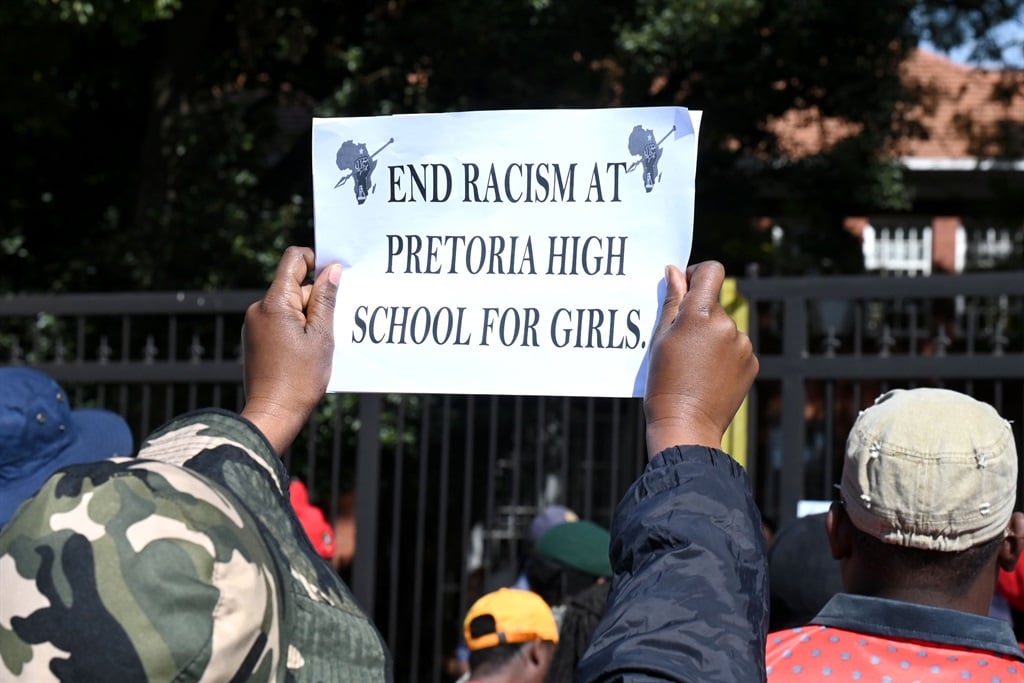
The Pretoria High School for Girls community has been thrust back into the centre of a heated racism storm, and this time the fight is unfolding inside the Gauteng High Court in Pretoria.
On 11 November 2025, Judge GN Moshoana dismissed an urgent attempt by the School Governing Body to compel the Gauteng Department of Education to hand over the results of a commissioned investigation into racism allegations involving 12 learners.
The allegations were first investigated internally and cleared. The Thabo Mbeki Foundation also reviewed the WhatsApp messages and found no racist conduct. However, the MEC for Education insisted on another inquiry using statutory powers.
When the final report was shared publicly through a media briefing but withheld from the governing body, frustration grew. Families worry that decisions may be taken in the dark, leaving children labelled without an opportunity to understand or respond.
Judge warns against bypassing the law
Judge Moshoana emphasised that the governing body has a clear legal path to access the document through the Promotion of Access to Information Act, but chose to abandon that process. In a sharply worded rebuke, he wrote: “A party like the SGB cannot and should not be allowed to play musical chairs with the law simply for its convenience.”
He stated that using the court’s review procedure to obtain information intended to be regulated by PAIA would undermine the rule of law. He went further, saying: “Parties should not use the Rule 53(1) procedure as a safe haven in order to scupper the provisions of PAIA.” In another pointed line, he added: “Once the law is in place, it must not be rendered a law is an ass. It cannot be used to defy the common sense of justice.”
Report is a decision not a record
At the core of the ruling is a technical but critical principle. The investigation report is not considered part of the record that must be handed over during a judicial review. That record consists of material the decision maker considered beforehand.
“The report itself is a decision and not a record of proceedings,” Judge Moshoana explained. He remarked that attempting to review a document never communicated to the affected party is difficult to fathom, making its absence in the court record legally unsurprising.
Emotional toll on school grounds
Judge Moshoana suggested the governing body appeared to “require the report for self-gratification, the aha moment no racism was found to exist.” At the same time, the judge suggested the situation does not fundamentally prejudice the governing body’s review case, explaining: “This court fails to appreciate any palpable prejudice that the SGB suffers in adjudicating its already launched review application in the absence of the report.”
Get your news on the go. Click here to follow the Conviction WhatsApp channel.


