





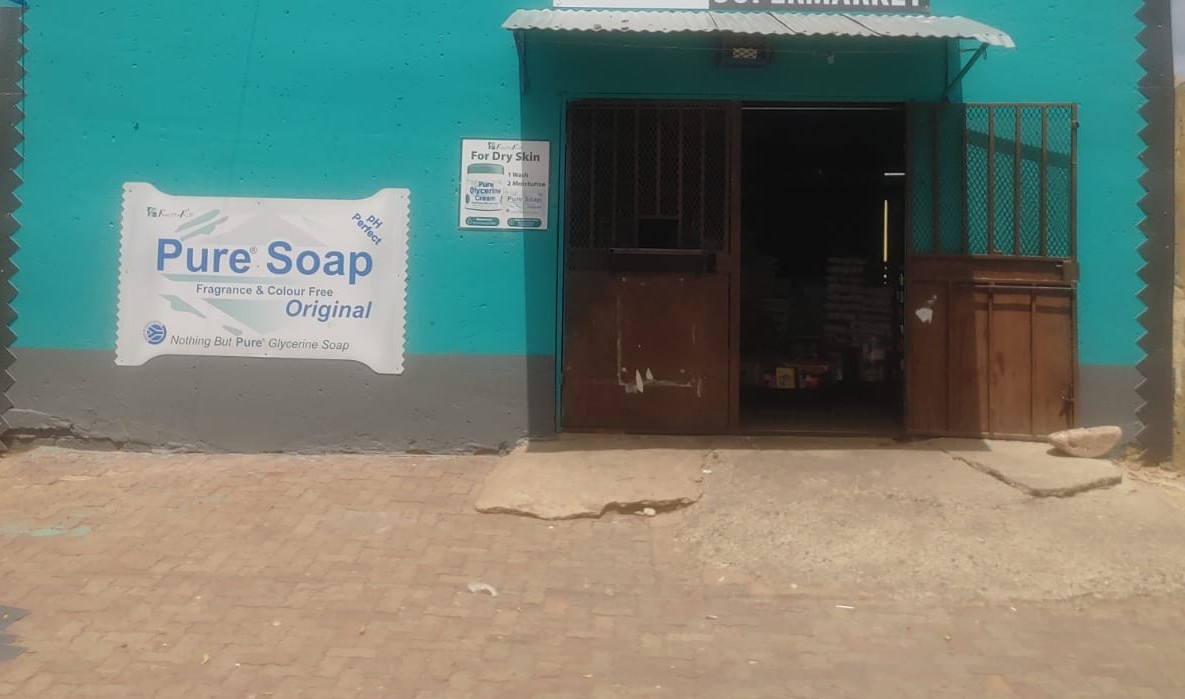
- Initial ruling: The ARB originally found Reitzer’s “pure glycerine soap” claim misleading due to a lack of evidence showing the ingredients were of cosmetic grade.
- New evidence: Reitzer submitted a scientific report from an independent expert confirming the product's ingredients meet pharmaceutical and cosmetic-grade standards.
- Reversed decision: The ARB accepted the new substantiation, overturned its previous ruling, and allowed Reitzer to continue using its current packaging and marketing claims.
In the crowded market of skincare and cosmetic products, buzzwords like “natural,” “organic,” and “pure” carry serious weight with consumers. But how pure is “pure” and who decides?
That question landed squarely before the Advertising Regulatory Board (ARB) earlier this year, when a consumer challenged the marketing claims on Reitzer Pharmaceuticals’ widely sold “Reitzer’s Pure Soap” product. At the centre of the dispute was whether the soap was, in fact, “pure glycerine soap,” as the company boldly stated on its packaging.
In May 2025, the ARB ruled against Reitzer. The watchdog found that the company had failed to substantiate its advertising claims and directed its members, including major retailers and broadcasters, not to accept advertising that labeled the product as a “pure glycerine soap” unless proper evidence was submitted.
But in a dramatic turnaround, the ARB has now reversed that ruling, declaring that new scientific evidence provided by Reitzer meets the required threshold, and that the packaging claims can remain.
Original complaint: Is it really pure?
The complaint came from a consumer who took issue with Reitzer’s use of phrases such as:
- “Nothing but Pure® Glycerine Soap”
- “Reitzer’s Pure Soap is pure glycerine soap, free from any added colouring agents or fragrances”
According to the complainant, the word “pure” was misleading, implying that the product consisted solely of glycerine, when in fact it contained multiple ingredients. The consumer acknowledged that most soaps include various additives but felt that this branding crossed a line into deceptive marketing.
The ARB agreed at the time, noting that Reitzer had failed to submit any documentation proving that the ingredients used were of cosmetic grade or higher, as required by Clause 7(d) of Appendix B of the Code of Advertising Practice (now Clause 6.2.4).
The company’s initial defence and silence
At the time of the first complaint, Reitzer declined to submit any evidence and disputed the ARB’s jurisdiction, claiming it was not a member and therefore not bound by its rulings. However, the ARB proceeded with its ruling in the interest of guiding its own members, who must adhere to the Board’s Code when accepting advertising.
New evidence, new outcome
On 20 June 2025, attorneys acting for Reitzer submitted a new scientific report prepared by Dr Priyamvada Pradeep of Syneresis Pharma Solutions (Pty) Ltd, a consultancy that specialises in cosmetic and pharmaceutical formulations.
Pradeep, a PhD holder in molecular sciences and former lecturer in pharmacology and medicinal chemistry, meticulously analysed the raw materials used in Reitzer’s soap. Her findings confirmed that the ingredients, including glycerine, sorbitol, stearic acid, sodium hydroxide, and others, met pharmaceutical standards of quality and purity.
She concluded that all the raw materials were of high quality and that their specifications complied with both regulatory standards and cosmetic-grade expectations.
Importantly, the ARB noted that the report, although not explicitly using the words “cosmetic grade,” strongly implied that the ingredients satisfied this requirement, thereby fulfilling the criteria for using the term “pure” in cosmetic advertising.
What does “pure” really mean?
Clause 6.2.4 of Appendix B allows the use of the word “pure” for cosmetic products, provided that the ingredients can be shown to be of cosmetic grade or higher. It does not require that the product contain only one ingredient.
This distinction was key in the ARB’s reversal. The Board acknowledged that consumers might interpret “pure glycerine soap” to mean that glycerine is the primary or featured ingredient, but not necessarily the only one. Especially since the ingredients list is printed clearly on the packaging and includes a statement that the product is free of colouring agents and fragrances, both common additives in soaps.
The Board found that, with proper substantiation now provided, Reitzer’s advertising was not misleading, dishonest, or in violation of the Code.
The bigger picture: What this means for cosmetic advertising
This case highlights a critical tension in consumer protection: balancing regulatory requirements with consumer expectations. While the ARB’s ruling confirms that “pure” can be used legally under certain conditions, it also underscores the importance of context, clarity, and substantiation in advertising.
For non-members like Reitzer, this case also demonstrates that while the ARB cannot legally compel their compliance, it can still make rulings that affect how its member organisations, which include most major media and retailers, handle advertising.
And for consumers, it’s a reminder to look beyond bold marketing claims and examine labels more closely.
Conclusion
Reitzer Pharmaceuticals can now continue to market its soap as “pure glycerine soap,” after producing evidence that satisfies the ARB’s advertising standards. While the wording may still spark debate about what consumers think it means, the ruling shows that, legally and technically, the claim is allowed, provided the supporting evidence holds up.
The soap may lather, but at least now, so does the science.
#Conviction
Get your news on the go. Click here to follow the Conviction WhatsApp channel.


