






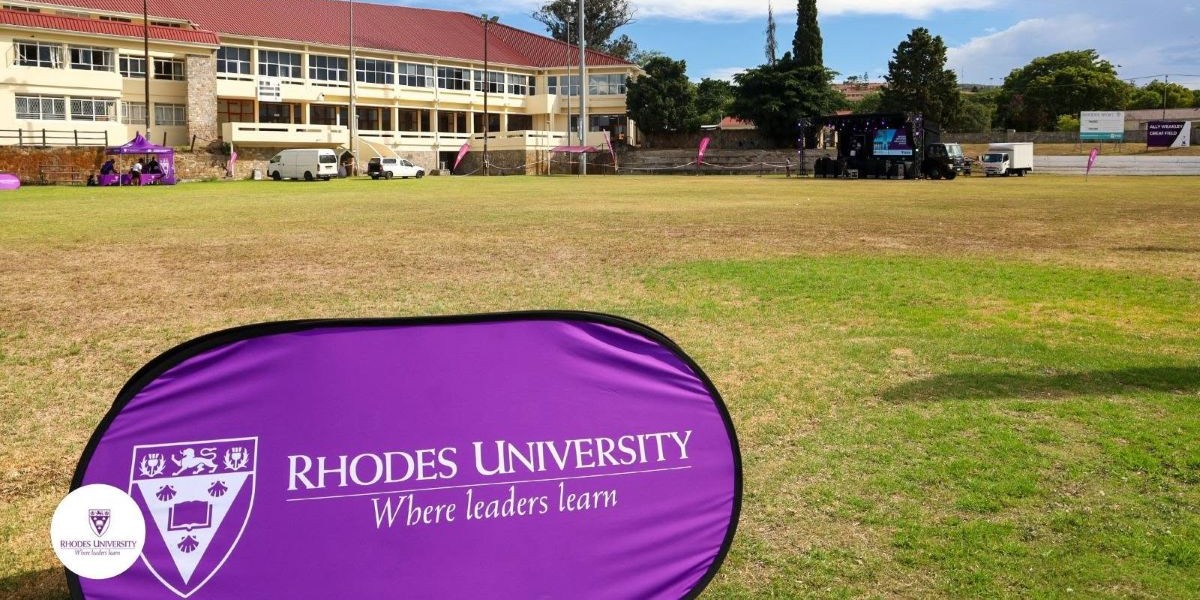
- The High Court dismissed Arthur Zubenathi Vamva’s attempt to challenge his expulsion.
- The court upheld Rhodes University’s disciplinary findings of hate speech and discriminatory conduct.
- Vamva’s failure to pursue an internal appeal also worked against him in court.
A Rhodes University SRC presidential candidate was unable to overturn his four-year expulsion after the High Court in Makhanda found that the institution had acted lawfully in disciplining him for Facebook posts that came to light during the 2022 student election campaign.
Arthur Zubenathi Vamva, a third-year Bachelor of Arts student running for the SRC presidency, became the focus of controversy when screenshots of his old Facebook posts began circulating on campus. In these posts, he called homosexuality "filthy," "evil" and "an abomination," and described transgenderism as "a delusion" and "a satanic way of living."
Judge L Rusi dismissed Vamva’s application, finding that Rhodes University’s disciplinary process was lawful, reasonable and followed the correct procedures.
Election campaign sparked disciplinary action
The controversy erupted during the 2022 SRC election when Vamva’s old Facebook posts were shared widely on social media. His campaign profile included both his election poster and Rhodes University branding, bringing his previous comments under intense scrutiny.
The backlash was swift. More than 1,000 people signed a petition asking for his removal from the election, and members of the LGBTQIA+ community filed formal complaints, saying the posts were discriminatory, degrading, and made them feel unsafe.
Rhodes University charged Vamva under its Student Disciplinary Code and the Promotion of Equality and Prevention of Unfair Discrimination Act, alleging hate speech, discriminatory conduct, and behaviour likely to bring the university into disrepute.
Christian beliefs formed the heart of his defence
During the disciplinary hearing, Vamva admitted to making the posts but said they reflected his deeply held Christian beliefs, not hatred towards LGBTQIA+ people. He argued his comments were taken out of context and insisted, "Like God, he hates homosexuality but not homosexual people."
He also claimed the university had wrongly equated criticism of homosexuality and transgenderism with hatred of gay and transgender people, and said his right to freedom of religion and expression protected his views.
Court found the posts crossed the legal line
The disciplinary board looked at the different Facebook posts and found that while some were offensive but did not amount to hate speech, others crossed the legal line because they promoted hatred and undermined the dignity of transgender and LGBTQIA+ people.
Judge Rusi agreed with this approach, stressing that hate speech must be judged objectively through the eyes of a reasonable person, not by what the speaker intended.
"The board correctly applied the objective test for hate speech," Judge Rusi said, concluding that the posts tried to invalidate the existence of LGBTQIA+ people and encouraged negative perceptions of an already marginalised community.
The judge also rejected Vamva’s argument that he should have been acquitted because he did not intend to cause harm, finding that intention is not the deciding factor under the Equality Act.
Expulsion remains in force
Vamva argued that expulsion was too harsh and claimed the disciplinary board had wrongly relied on labour law principles when deciding on the penalty.
The High Court found no fault with this reasoning. Judge Rusi held that the board had considered lighter sanctions before concluding that Vamva’s ongoing defence of the posts showed he was unwilling to change within the university community.
Delay weakened the review
The court also found that Vamva had not used the university’s internal appeal process before going to the High Court. Instead, he first pursued a retrial and only later went to court.
Judge Rusi ruled that the review was submitted outside the required 180-day period without exceptional justification and dismissed the application. Each party was ordered to cover its own legal costs.
Get your news on the go. Click here to follow the Conviction WhatsApp channel.


