





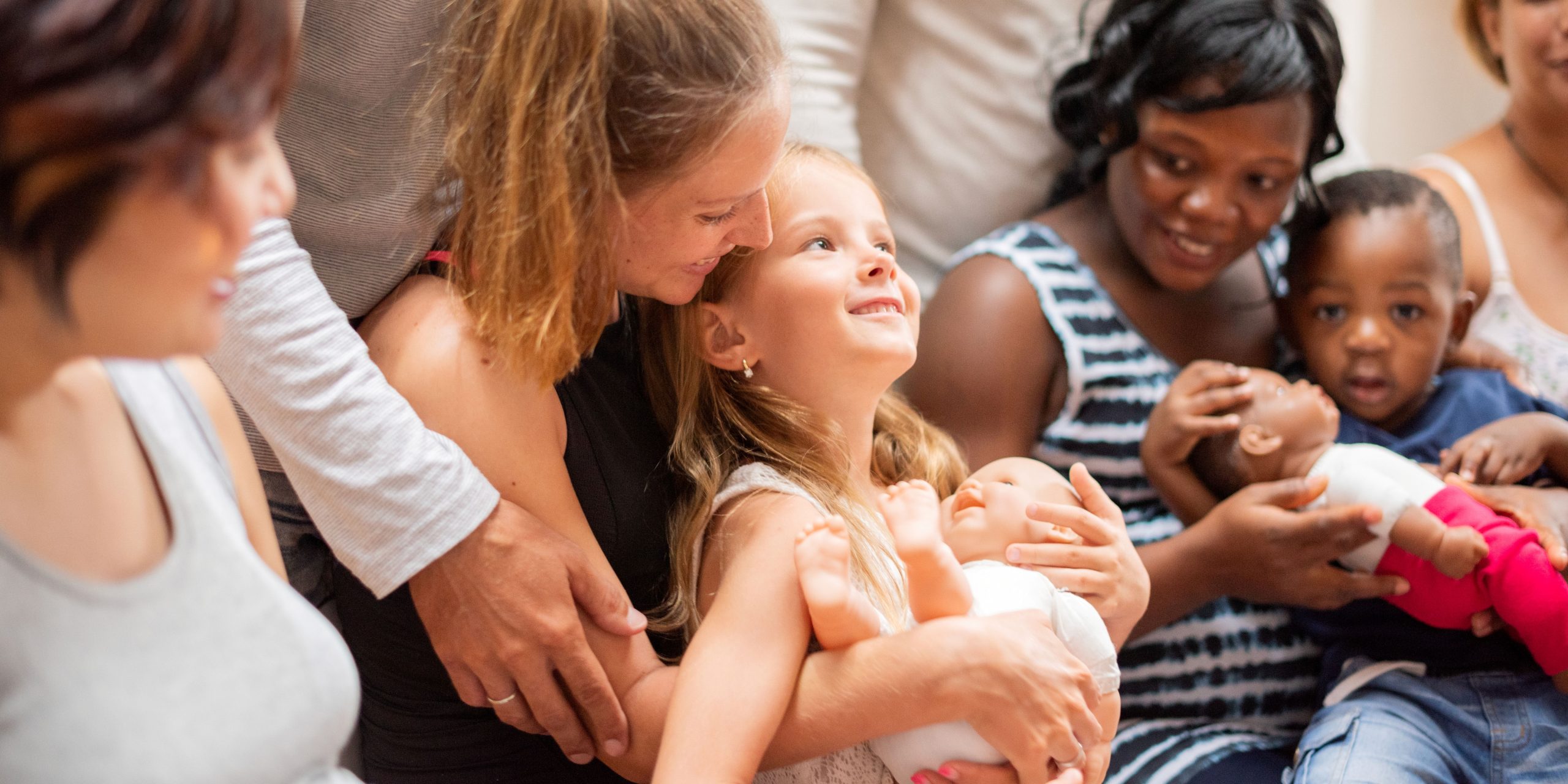
- Motherhood in South Africa is often a shared communal responsibility rather than an individual role.
- Alternative caregiving structures reflect resilience, reciprocity, and the spirit of ubuntu.
- Supporting communal care systems is essential for protecting vulnerable children and caregivers.
As Mother’s Day approached on Sunday, 10 May 2026, the shops were filled with floral tributes and cards addressed to the “World’s Best Mom”.
While these gestures are well-intentioned, they often reflect a Western, nuclear family lens that fails to capture the profound, communal reality of caregiving in our country. As a social worker grounded in Afrocentric practice, I believe it is time we shift our gaze.
In South Africa, motherhood is not merely a biological status or a solo performance. It is a shared responsibility that embodies the spirit of ubuntu, the South African belief that a person’s humanity is tied to others, often translated as “I am because we are”.
According to the General Household Survey released by Statistics South Africa in 2025, 42,4% of households were headed by women. More than a quarter, 26,9%, of households consisted of a single person, while 39,4% were nuclear households comprised of parents and children.
More than one tenth, 11,7%, were orphaned, having lost one or both parents, and almost one fifth, 18,8%, of children lived with neither of their biological parents. This indicates that, from an Afrocentric worldview, the concept of a “mother” transcends the individual. It is the foundation of our social fabric, where motherhood is less about a single figure and more about a collective function.
In our communities, the title of mother is earned through nurturing, regardless of bloodline. We see this, for example, in the form of the so called gogo, or grandmother, revolution, where grandmothers step into the breach to raise grandchildren, often on nothing more than a state pension, and in instances where an aunt, neighbour, or teacher provides the emotional care a child needs to thrive.
Furthermore, South Africa is known for child-headed households, where siblings, who are children themselves, step into the role of protector, displaying a fierce, sacrificial love that is as maternal as any traditional bond.
The strength of communal care
This village approach to parenting creates a unique social ecosystem in South Africa. When a community adopts an Afrocentric approach to care, the child learns at a young age that they belong to a wider network. This fosters a deep sense of communal identity and social responsibility. We often see a “pay it back” culture emerge from these structures.
A child raised by a village often grows into an adult who feels a profound duty to uplift that same village. This cycle of reciprocity is what keeps our social fabric from unravelling amid poverty and systemic inequality.
When the village is stretched thin
However, we must be cautious not to romanticise the struggle. In many cases, the village we refer to is often stretched thin. For a teenager leading a household, being a “mother” to her siblings is an act of heroism, but it is also a thief of her childhood. The emotional and practical burden of balancing school with chores and the constant anxiety about provision can lead to parentification, in which the child’s own developmental needs are sidelined for the survival of the family unit.
If we are to support South African families effectively, we must stop viewing alternative caregiving structures as broken versions of the nuclear family. Instead, they must be recognised as a resilient adaptation of family structure.
An Afrocentric approach invites us to celebrate the fluidity of the South African home. Resilience is not found in the presence of a single mother figure, but in the strength of the connections between different caregivers. When we support a gogo, or provide resources to a child-headed household, we are honouring the spirit of motherhood in its most expansive form.
This Mother’s Day, let us broaden our gratitude towards all forms of motherhood. Let us not only celebrate biological mothers, but also honour the mothers by heart and the mothers by necessity within our communities.
As a society, to truly live the principles of ubuntu, our mothering must extend beyond our own fences. We must advocate for policies that support communal care, including better social grants, community-based child protection, and mental health support for those who carry the heavy burden of caregiving alone.
In South Africa, the heartbeat of a mother is not found in one person, but in the collective rhythm of a community that refuses to let any child walk alone. That is the true meaning of the ubuntu spirit behind motherhood in our context, a love as wide and deep as the continent itself.
Get your news on the go. Click here to follow the Conviction WhatsApp channel.


