


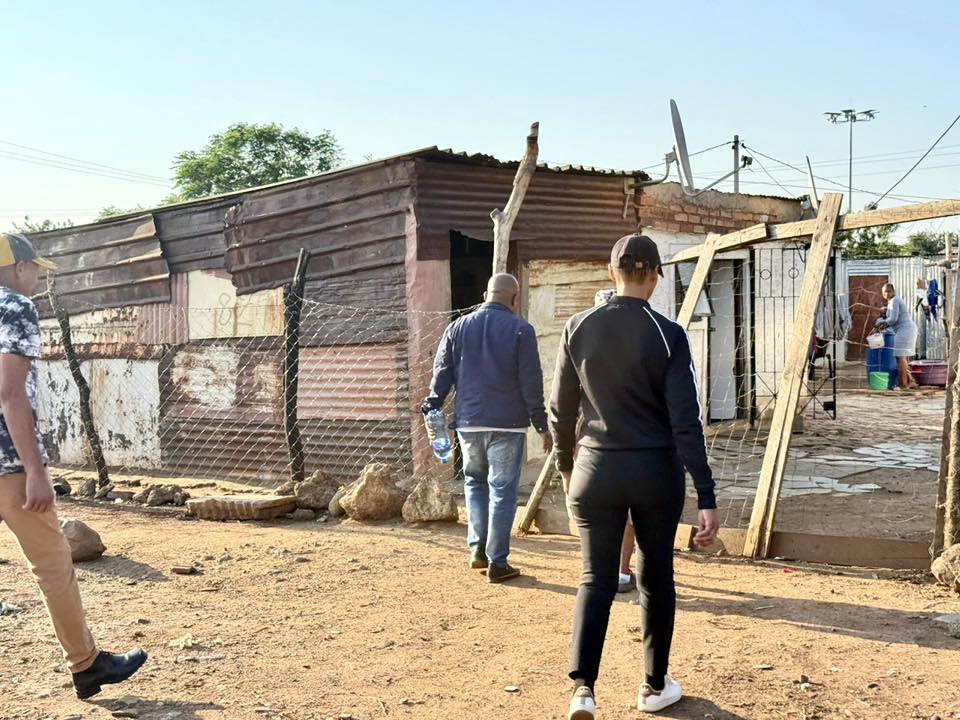
- Inspired by Kenya’s urban agriculture policies, Slovo Park residents are reframing food gardens as legitimate land use and a strategy for land rights.
- Women are leading efforts to transform vacant land into productive gardens, boosting food security and community resilience.
- Local activists are calling for urban agriculture to be formally recognised and supported within South Africa’s UISP framework.
In August 2024, four residents from Slovo Park, south of Johannesburg, travelled to Nairobi for a gender and urban agriculture exchange. There, they encountered a policy environment that protects, regulates, and supports informal farming.
Kenya’s Urban Agriculture Promotion and Regulation Act (2015) and Nairobi’s Food System Strategy (2022) have transformed backyard gardens and rooftop plots into recognised urban infrastructure.
For Slovo Park, where the struggle for basic services and land rights has stretched across decades, the Nairobi visit was a turning point. Although a 2016 court judgement ordered the City of Johannesburg to upgrade the settlement under the Upgrading of Informal Settlements Programme (UISP), progress has been slow. Requests to expand onto nearby vacant land have often been blocked, usually citing technicalities such as dolomite or wetlands. Relocation remains the city’s default response.

Food gardens as legal argument
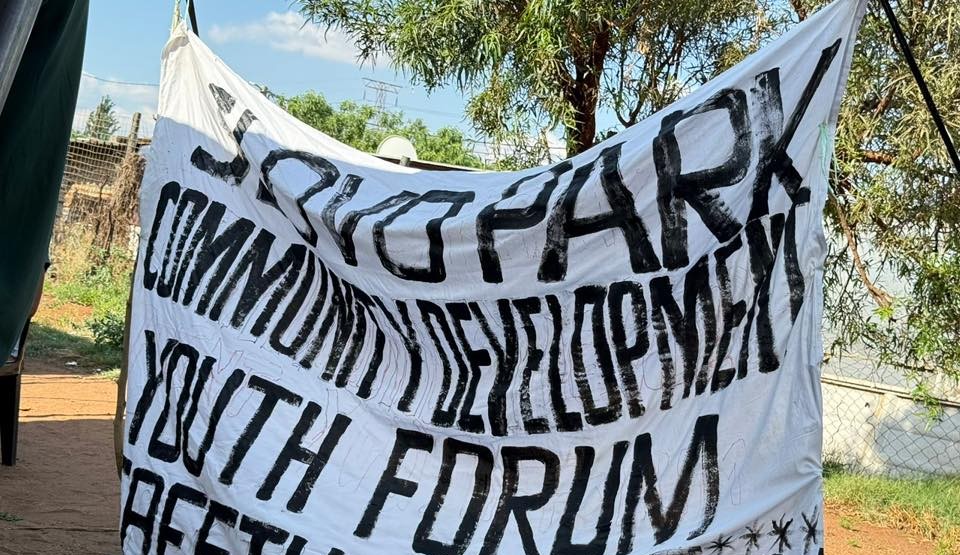
Inspired by Nairobi’s legal framework, Slovo Park residents reframed their food gardens not as informal survival strategies, but as legitimate land use deserving policy support. The Slovo Park Community Development Forum (SPCDF) and Socio-Economic Rights Institute of South Africa (SERI) began advocating for land access models such as caretaker agreements and conditional land use rights.
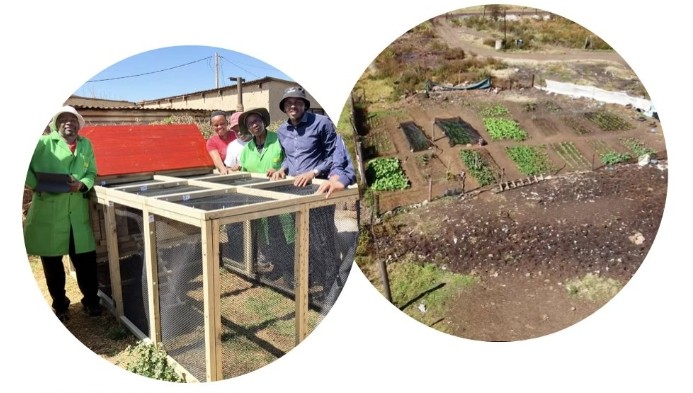
Residents built cone gardens, chicken coops, and communal plots. Land unsuitable for housing became vital for food production and small businesses. Women, particularly those aged 18 to 35, led these efforts, launching businesses and developing communal gardens.
Gender, governance, and the power of policy
The Women’s Spaces exchange highlighted the importance of gender-sensitive approaches to urban agriculture. In Nairobi, farming cooperatives and local government partnerships have helped to scale food systems. Slovo Park participants returned with a clearer understanding of how supportive policy frameworks can protect livelihoods, especially for women facing food insecurity and exclusion.
SERI and SPCDF now urge South African authorities to update the UISP, integrating food systems, gender equity, and local economic development. They call for support across departments to ensure water access, soil improvement, and women’s leadership in urban agriculture.
World Cities Day: A call for recognition
On World Cities Day, 31 October 2025, SERI released a case study, Urban Food Gardens and Food Security: A Case Study from Slovo Park, showing how urban agriculture enhances food security, builds livelihoods, and transforms land use. The study calls for greater policy recognition of community-driven food systems.
Backed by Rooftops Canada and Global Affairs Canada, the Slovo Park initiative underscores the global significance of grassroots urban farming and the need for international support.
Today, Slovo Park’s gardens are more than a means of survival. They represent a vision for the future, challenging relocation, resisting exclusion, and demanding recognition. These gardens prove that informal settlements are not waiting for inclusion; they are creating it.

Get your news on the go. Click here to follow the Conviction WhatsApp channel.


