


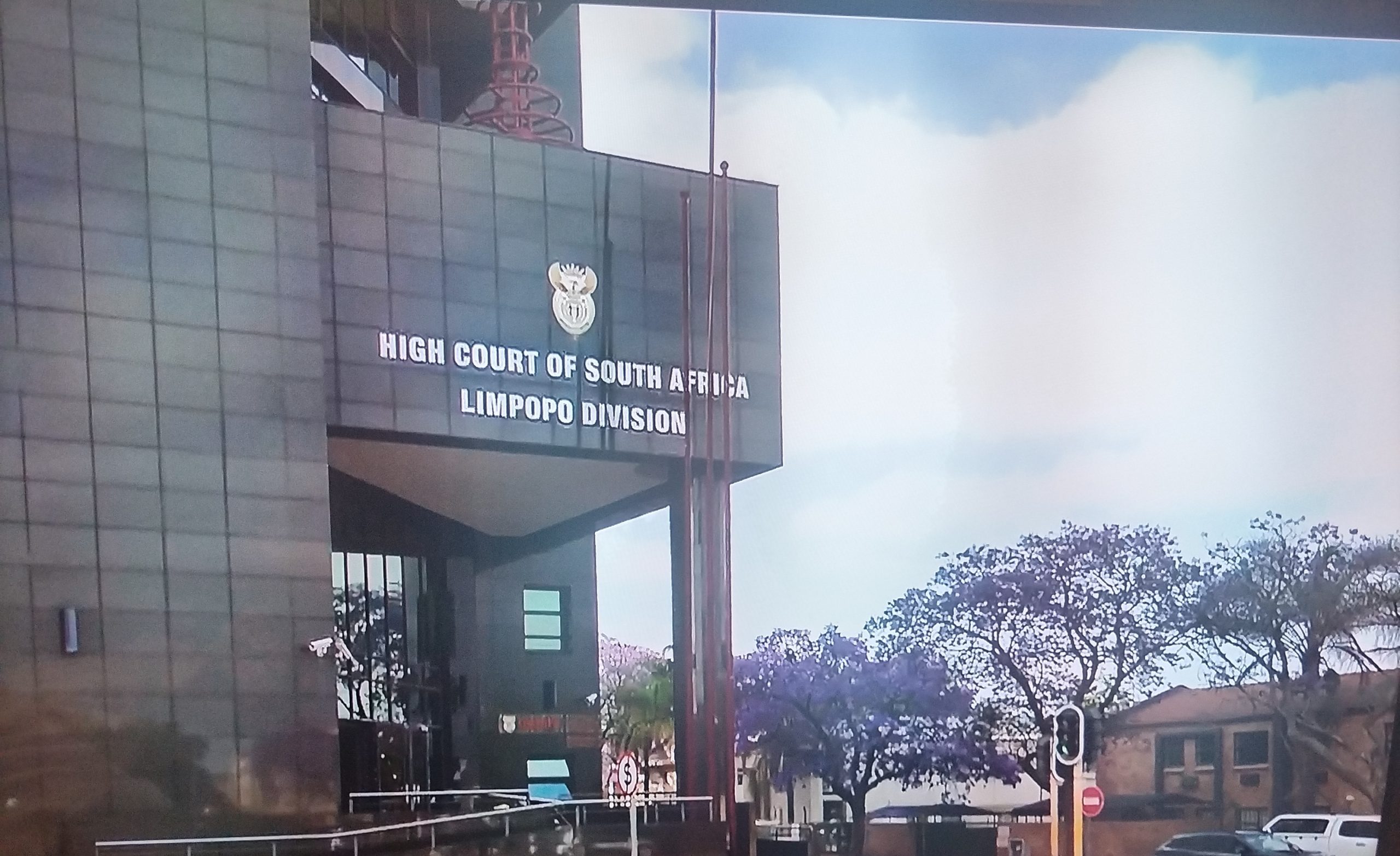
- Polokwane Municipality demolished informal traders’ stalls without notice, leaving long-standing workers stranded and publicly humiliated.
- The court found the Municipality’s conduct unlawful and unfair, especially after it stopped processing permits and made compliance impossible.
- A dispute resolution committee must now be established, and the Municipality is ordered to pay costs for both the urgent and review parts of the case.
The Limpopo High Court has ruled that the Polokwane Municipality acted unlawfully when officials demolished informal traders’ stalls on 8 October 2020 without notice or an opportunity to be heard. This left experienced workers confused, distressed, and suddenly without income.
The three applicants have traded in the area for decades and rely entirely on daily sales to support their households. Acting Judge M Morgan found that the Municipality’s approach ignored basic constitutional values and the protections guaranteed by administrative law.
Stalls demolished without notice
According to the judgment, municipal officials and contractors arrived during what they described as a cleaning campaign and immediately told the traders to stop operating. Acting Judge M Morgan wrote that officials “proceeded to demolish or dismantle the applicants’ trading stalls or structures without warning” and that this action “effectively destroyed on the spot their means of earning a livelihood.”
There was no prior communication, no grace period, and no written instruction allowing traders to remove goods or regularise their status. The judge noted that the applicants “were caught by surprise on 8 October 2020, with no chance to make representations or avoid the harm.”
The Municipality argued that traders were not compliant because they did not have permits. However, the court found no evidence that the applicants had been individually informed of the pending operation or given any specific opportunity to respond. The judgment stated plainly that the Municipality “provided no proof of any written or individual notices given to these applicants prior to the demolition of their stalls.”
Emotional and public humiliation
The destruction took place in full view of commuters, family members, and customers. The judgment records that the manner of removal “can reasonably be inferred to impair one’s sense of self-worth,” highlighting the trauma of having property torn apart publicly.
Some traders described finding only broken timber and scattered screws where their structures had stood for more than twenty years. Others lost stock in the confusion, unable to carry goods while contractors dismantled the stalls around them.
Central to the court’s criticism was the revelation that the Municipality itself had shut down the processing of trading permits earlier that year. Acting Judge M Morgan stated that the respondents conceded that “they stopped processing the permit application on 17 January 2020.”
In effect, compliance was impossible. Acting Judge M Morgan condemned this contradiction, calling it a “classic bureaucratic Catch 22,” and added that the enforcement operation “smacks of entrapment.” The court found that the city failed to consider that traders had no legal pathway available to them, even if they attempted to regularise their position.
State self-help rejected
The court was particularly concerned about heavy-handed municipal tactics that bypass judicial oversight. Acting Judge M Morgan observed that the respondents “became the accuser, adjudicator and enforcer all at once on the street” and reminded municipal leadership that “officials of the City must understand that they are servants of the law.”
The judgment warns that unilateral destruction of property offends constitutional principles including dignity, property rights and fairness. The judge added that disputes must be resolved through legal processes and not brute force.
Court orders structural change
Acting Judge M Morgan set aside the Municipality’s decision and ordered the establishment of a dedicated dispute resolution committee to address informal trading matters in Polokwane. The Municipality was further ordered to pay the costs of both the urgent interdict and the review.
Get your news on the go. Click here to follow the Conviction WhatsApp channel.
