


- High Court finds that a single retaliatory punch does not show the intention needed for attempted murder.
- Judgment points out contradictions in the complainant’s evidence and the unreliability of single-witness testimony.
- Appellant convicted of common assault was sentenced to 12 months, backdated to April 2024, which he has effectively already served.
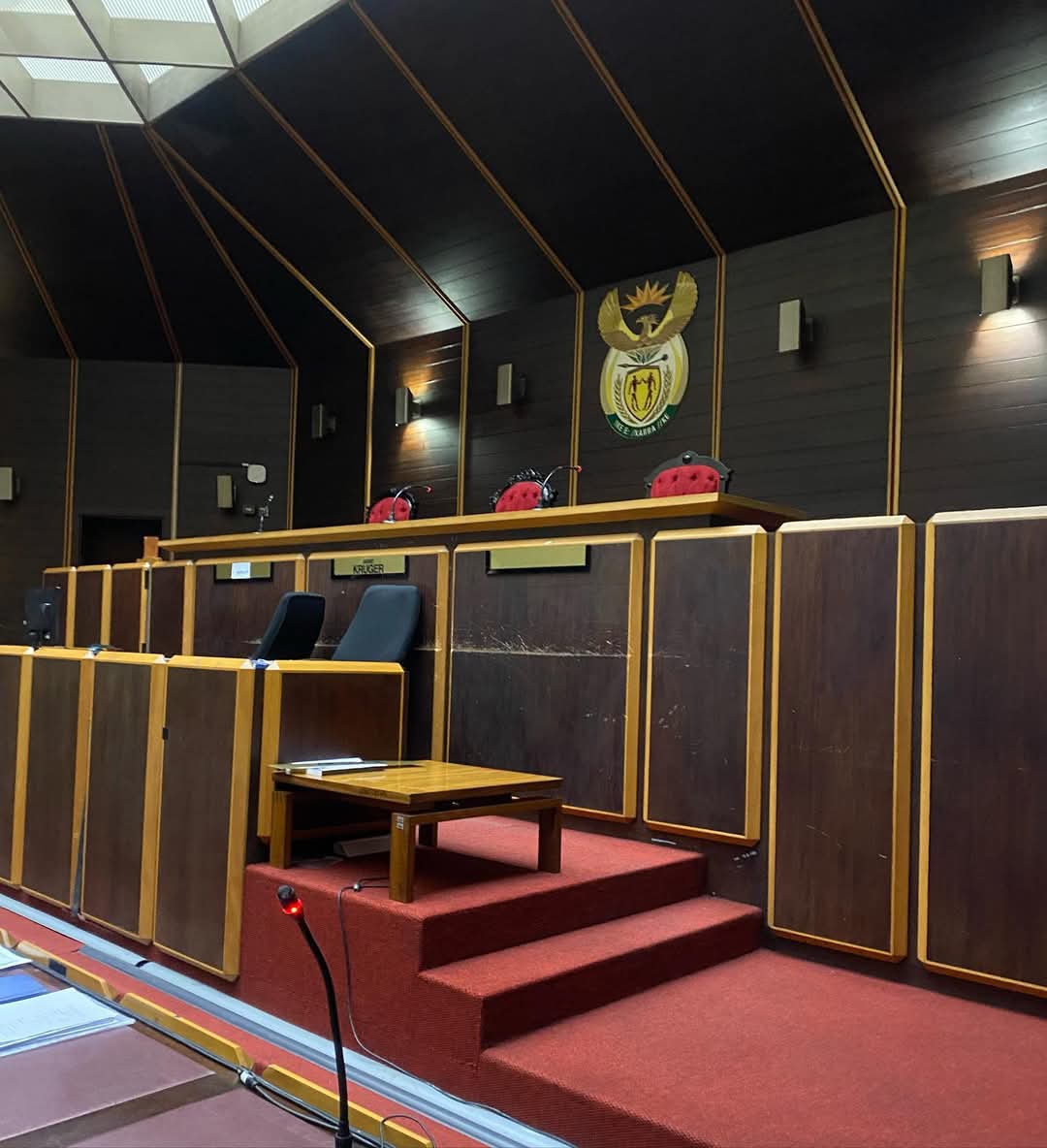
The KwaZulu-Natal High Court in Pietermaritzburg has made it clear that a single punch in retaliation cannot be considered attempted murder.
Sifiso Titi Ntusi’s conviction was overturned after the court found that the trial magistrate failed to prove the intent necessary for such a serious offence. Justice PC Bezuidenhout stated directly that a case for attempted murder had not been established and emphasised that intent must be proven. He also pointed out that the magistrate did not address this issue at all.
The altercation started from a dispute over a water pipe in the community. The complainant alleged multiple assaults, including being kicked and trampled. However, medical evidence showed only a mild intracranial bleed and facial injuries. The High Court found the complainant’s testimony contradictory and unreliable, noting that the account does not match the report by Dr Charity Ngcobo and that the complainant experienced some memory loss after the assault.
The single punch shows lack of intent
Ntusi admitted to being at the scene and striking the complainant once. He told the court he just retaliated and did so by mistake, explaining that he hit the complainant on the temple after being struck first. The court emphasised that this single punch, as a reaction to being hit, cannot support a conviction for attempted murder. The court wrote that he did not act in self-defence but did commit an assault, which he acknowledged.
Justice Bezuidenhout explained the principles of criminal intent, stating that striking the complainant once does not, based on the evidence, indicate an intention to kill or cause serious harm.
Common assault is the correct conviction
Self-defence was considered during the appeal, but had not been brought up at trial. The court noted that neither party raised the issue of self-defence during the trial, nor was it part of the evidence presented by the appellant. Following S v Trainor, the judgment clarified that if you cause injury that was not necessary to counter the threat, your actions do not meet the requirements for self-defence.
The High Court stressed that Ntusi could have avoided the confrontation, saying he could have run away or stepped back. Since the act amounted to a single retaliatory punch and no intent to kill could be inferred, the court concluded that common assault was the only appropriate conviction.
When sentencing, the court considered Ntusi’s age, his role as a father of two, his job as a taxi driver, and the fact that he had been in custody since April 2024. Justice Bezuidenhout concluded that it does not seem to him that the appellant is someone who needs to be kept from committing further offences. He imposed a 12-month prison sentence, backdated to April 2024.
Because the sentence was backdated and Ntusi had been in custody since that date, he has effectively served his entire term. He remains convicted of common assault but is now free.
Get your news on the go. Click here to follow the Conviction WhatsApp channel.
