


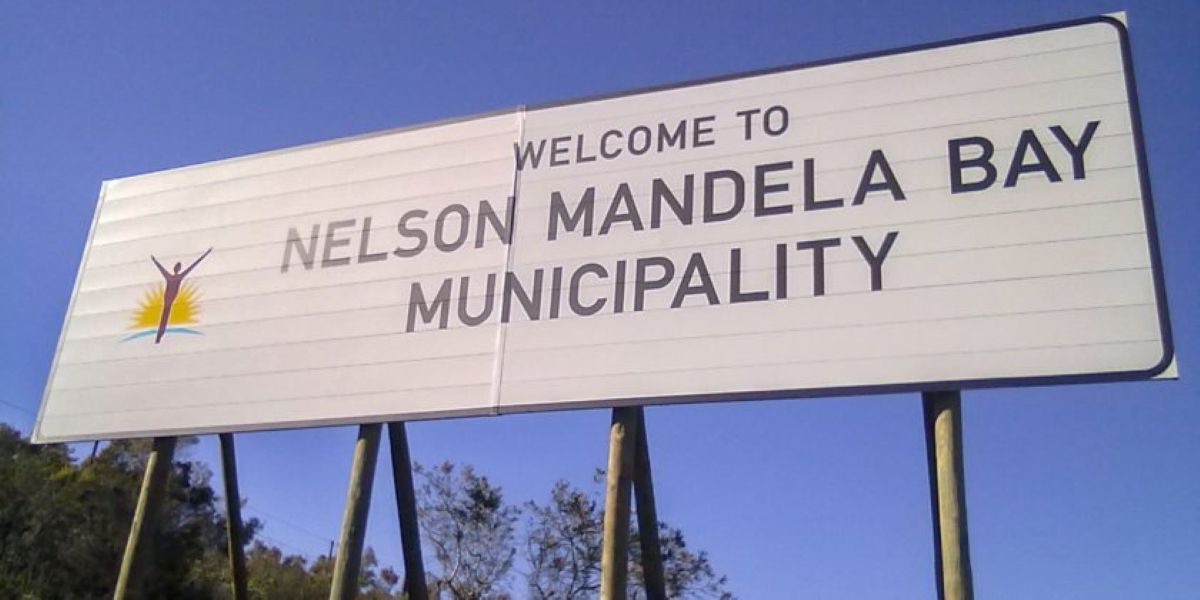
- A housing project meant for about 6 500 families in need is still governed by a 1997 agreement, even after years of delays.
- Nelson Mandela Bay Municipality could not convince the court that a 2015 funding agreement replaced the original housing contract.
- Judge N Tsele ruled that the municipality cannot avoid its long-standing infrastructure responsibilities by raising a procurement challenge.
A housing development that was meant to provide homes for around 6 500 families in Bethelsdorp North has been given new life by the High Court in Gqeberha.
The court found that Nelson Mandela Bay Municipality cannot walk away from an agreement made 27 years ago by arguing it was replaced by a newer funding contract.
The trustees of the Mzingisi Development Trust, a charitable organisation appointed in December 1997 to develop the low-cost housing township, brought the case to court. Progress on the development has stalled since 2017, mainly because a vital piece of bulk sewer infrastructure, known as the missing link, was never installed.
Without this connection, completed internal services cannot be linked to the municipal network, and thousands of planned homes remain unbuilt.
Judge N Tsele said the dispute raises important questions about municipal accountability, contractual obligations, and the legal framework that guides public housing developments.
The municipality relied on a later funding agreement
The Trust asked the court to declare that the municipality had broken its promises under the original Land Availability and Services Agreement. They also wanted the court to order the municipality to move forward with the unfinished sewer infrastructure, road works, and other responsibilities needed for the township to continue.
Nelson Mandela Bay Municipality did not claim that it had fulfilled these obligations. Instead, it argued that the 1997 agreement was replaced by a three-party Service Level Agreement signed in 2015 with the Eastern Cape Department of Human Settlements. The municipality said that this new agreement expired in 2017, so there was no longer a binding contract.
Judge Tsele rejected this argument after looking closely at the wording, purpose, and structure of both agreements. “The municipality has not discharged the onus which is borne by a party asserting novation,” Judge Tsele wrote, finding that the later agreement did not replace or cancel the original housing contract.
The legal principle reached beyond housing
The municipality also filed a counter-application, asking the court to declare the 1997 agreement unlawful. It argued that the Trust had been appointed without a competitive tender process.
Judge Tsele found that this argument misunderstood the nature of the agreement. The court said the municipality was not buying goods or services from the Trust, but instead making municipal land available for subsidised housing, with each party having its own responsibilities.
“The juridical structure of the arrangement accordingly places the Land Availability and Services Agreement beyond the procurement gateway,” Judge Tsele said. He found that the constitutional procurement rules did not apply to this type of developmental housing agreement.
The judgment makes it clear that a housing project does not automatically fall outside procurement law, but not every public housing partnership is a procurement contract either.
Municipal records told a different story
One of the most striking parts of the case was the municipality’s own records. Minutes from a 2019 technical task team meeting noted that the 1997 agreement was “still regarded as legitimate and active,” and officials admitted that the responsibilities set out in it were still valid.
A report presented to council in 2023 also recognised that finishing the remaining homes depended on the municipality installing the bulk connector pipeline, and it recommended budgeting for the work using municipal infrastructure grants.
Judge Tsele found these admissions did not match the municipality’s later claim that the agreement no longer existed.
Thousands of families remain in limbo
Evidence presented in court showed that earlier phases of the development successfully delivered more than 1 000 homes, and funding had been approved for thousands more serviced sites. However, only about 1 220 of the 3 165 sites funded under the later programme were completed before work stopped, leaving almost 2 000 sites unfinished.
The missing sewer connection is still the biggest obstacle to finishing the township. Judge Tsele held that the municipality’s obligations under the 1997 agreement continue, even though later funding arrangements have expired. This keeps the legal foundation in place for one of the Eastern Cape’s largest unfinished housing projects.
Get your news on the go. Click here to follow the Conviction WhatsApp channel.
