

Skip to content
Close Menu
ConvictionConviction
  • Home
  • Law & Justice
  • Special Reports
  • Opinion
  • Ask The Expert
  • Get In Touch

Subscribe to Updates

Get the latest creative news from FooBar about art, design and business.

What's Hot

World Teachers’ Day: South Africa cannot afford to leave qualified teachers outside the classroom

October 5, 2026

Consumer default does not allow banks to bypass legal process when repossessing vehicles

October 5, 2026

Rhodes deputy VC acknowledges student debt concerns; spokesperson refers arrests to SAPS

October 5, 2026
Facebook X (Twitter) Instagram
Trending
  • World Teachers’ Day: South Africa cannot afford to leave qualified teachers outside the classroom
  • Consumer default does not allow banks to bypass legal process when repossessing vehicles
  • Rhodes deputy VC acknowledges student debt concerns; spokesperson refers arrests to SAPS
  • Employer’s in-house lawyer cannot commission affidavits in a dispute she is involved in
  • ZZ2 fights alleged illegal land use on municipal land next to its Polokwane farm
  • Beacon Rock body corporate cannot rely on homeowners’ interest to object to taxi rank
  • Father cannot exclude mother from son’s Xhosa initiation planning and ceremonies
  • Delayed justice can leave lasting scars on those seeking resolution
Facebook X (Twitter) Instagram
ConvictionConviction
Sonneblom
  • Home
  • Law & Justice
  • Special Reports
  • Opinion
  • Ask The Expert
  • Get In Touch
ConvictionConviction
Home » vehicle repossession rights
Consumer Protection Law

Consumer default does not allow banks to bypass legal process when repossessing vehicles

Two National Financial Ombud cases show that banks must follow legal safeguards when taking possession of financed vehicles from consumers in arrears.
Conviction Staff ReporterBy Conviction Staff ReporterOctober 5, 2026No Comments
Facebook Twitter Pinterest LinkedIn WhatsApp Reddit Tumblr Email
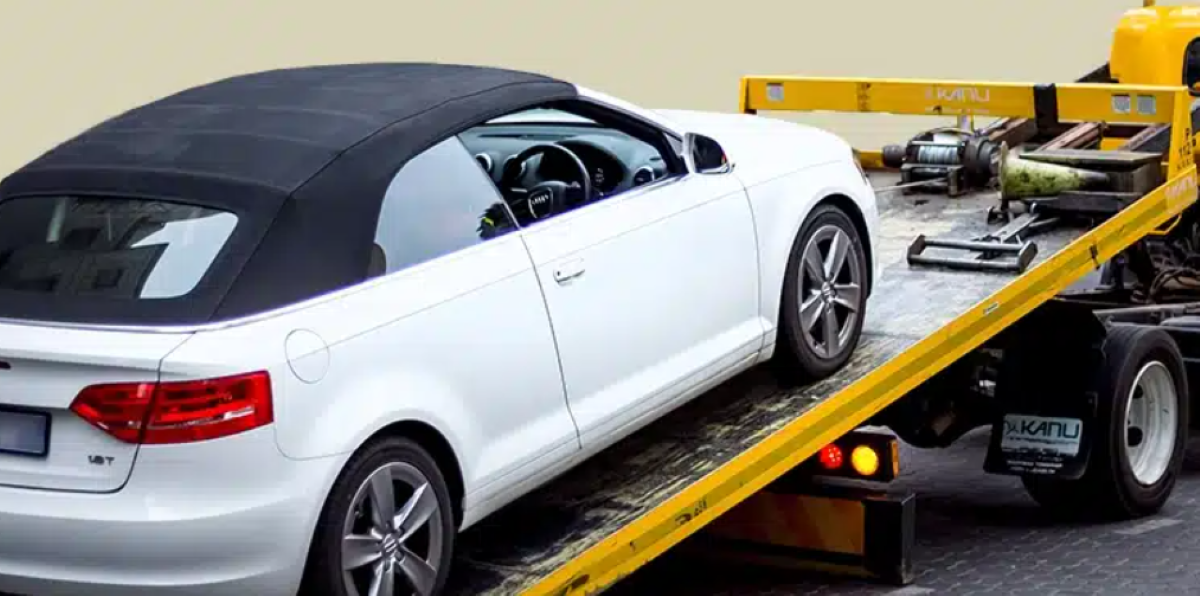
Financed vehicle facing repossession by a bank
Consumers in arrears remain protected by legal safeguards governing the repossession and sale of financed vehicles.
Share
Facebook Twitter LinkedIn Pinterest Email
  • A consumer who falls behind on vehicle payments still has legal protection against improper repossession.
  • Voluntary surrender and repossession are two different processes, each with its own legal requirements.
  • Two recent NFO cases led to R30 000 in compensation and a R300 000 shortfall being written off.

Financial pressure can make it hard for people to keep up with vehicle repayments. However, falling behind on payments does not give a bank the right to take back a financed vehicle without following the proper legal steps.

The National Financial Ombud Scheme (NFO) encourages consumers in financial difficulty to know their rights and understand the difference between voluntary surrender and repossession before handing over a vehicle or letting a credit provider take it.

Two cases handled by the NFO show what can happen if banks do not follow the correct process.

Minibus taxi retained after border impoundment

The first case involved a minibus taxi that police impounded at the South Africa-Zimbabwe border after a passenger was caught with illegal substances. Authorities eventually found that neither the vehicle owner nor the driver was involved in any crime.

Despite this, the vehicle was given to the bank that financed it instead of being returned to the owner. The bank kept the vehicle for several months, and during this time, more arrears built up on the account.

The NFO found that the consumer had made genuine efforts to sort out the dispute and pay off the arrears. However, she had broken the finance agreement by letting the vehicle cross the border without meeting its requirements.

But the NFO also found that the bank had not followed the correct legal process when it kept the vehicle. The NFO recommended the bank pay the consumer R30 000 for distress and inconvenience, and write off the legal and storage costs added to her account. The bank agreed to this.

Vehicle sold leaving R300 000 shortfall

In the second case, a bank repossessed and sold a consumer’s vehicle after getting it from his employed driver. The consumer said he had not voluntarily surrendered the vehicle and that there was no court order for the repossession.

During the NFO’s investigation, the bank could not provide a signed voluntary surrender form or proof that a court had authorised the repossession. While the consumer was far behind on payments and the bank had the right to pursue the debt, the NFO said this did not let the bank skip the legal steps for repossessing and selling the car.

By then, the vehicle had already been sold, leaving the consumer with a shortfall of about R300 000. Considering the consumer’s large arrears and the limited payments made while he still used the vehicle, the NFO recommended writing off the full shortfall. The bank agreed to this.

Voluntary surrender is not repossession

Nerosha Maseti, Lead Ombud of the Banking and Credit Division at the NFO, says these cases show that a bank’s right to recover a debt is separate from how it goes about doing so.

“A voluntary surrender cannot be forced on a consumer, and a bank cannot simply treat possession of a vehicle as proof that it was voluntarily surrendered”, says Maseti. “Likewise, if a bank wants to repossess a vehicle, it must follow the correct legal process. The protections in the National Credit Act are there for a reason and cannot be ignored.”

Section 127 of the National Credit Act allows a consumer to start the process of surrendering a vehicle by giving written notice to the bank. After that, the bank has to follow set procedures, which include valuing and selling the vehicle and giving the required notices.

Repossession is different. It is started by the credit provider to enforce its rights, and it must meet legal requirements, such as getting a court judgment allowing the repossession and sale of the vehicle.

Consumers remain liable for possible shortfalls

The NFO says that returning a vehicle does not always clear the debt. If the vehicle sells for less than what is owed, the consumer may still have to pay the difference. If there is any money left after the sale, it must go to the consumer.

Consumers who are struggling to keep up with payments should contact their bank as soon as possible. They should read all notices and letters, and make sure they know which legal process is being followed before handing over a vehicle. It is important not to sign anything they do not understand, and to keep records of payment arrangements and any documents about surrender or repossession.

If a consumer thinks a bank has repossessed, kept, or sold a vehicle without following the correct process, the NFO recommends first raising the issue with the bank. If it is not resolved, they should approach the NFO.

The NFO offers free, independent, and impartial help to consumers who have complaints against financial institutions in the banking, credit, non-life insurance, or life insurance sectors.

Consumers can contact the NFO by calling 0860 800 900, sending a WhatsApp message to 066 473 0157, emailing info@nfosa.co.za, or visiting www.nfosa.co.za.

Conviction.co.za

Get your news on the go. Click here to follow the Conviction WhatsApp channel.

Consumer rights National Credit Act National Financial Ombud Vehicle finance Vehicle Repossession
Share. Facebook Twitter Pinterest LinkedIn Tumblr Telegram Email
Conviction Staff Reporter

Conviction.co.za — Towards a Positive Impact on People

Related Posts

AI-polished images and ‘Satin’ badges made a polyester Shein dress look premium

October 4, 2026

Member seeks to use pension savings to finish family home, but fund refuses loan

October 1, 2026

OUTsurance told Cape Town motorists pointsmen were ‘on your route’ despite no service there

September 29, 2026
Leave A Reply Cancel Reply

Prove your humanity: 7   +   7   =  

Subscribe to our newsletter:
Top Posts

Your driving licence at the gate: What estates can actually legally scan

Sponsor: My Estate LifeSeptember 6, 2026

Making sectional title rules that work: A practical guide

January 17, 2025

Protection order among the consequences of trespassing in an ‘Exclusive Use Area’

December 31, 2024

Between a rock and a foul-smelling place

November 27, 2024
Don't Miss
Opinion
5 Mins Read

World Teachers’ Day: South Africa cannot afford to leave qualified teachers outside the classroom

By Professor Lindelani MnguniOctober 5, 20265 Mins Read

South Africa’s literacy crisis highlights the urgent need for qualified teachers, yet historical student debt is keeping some graduates out of classrooms.

Consumer default does not allow banks to bypass legal process when repossessing vehicles

October 5, 2026

Rhodes deputy VC acknowledges student debt concerns; spokesperson refers arrests to SAPS

October 5, 2026

Employer’s in-house lawyer cannot commission affidavits in a dispute she is involved in

October 5, 2026
Stay In Touch
  • Facebook
  • Twitter
  • WhatsApp
Demo
About Us
About Us

Helping South Africans to navigate the legal landscape; providing accessible legal information; and giving a voice to those seeking justice.

Facebook X (Twitter) YouTube WhatsApp Twitch RSS
Latest posts

Your driving licence at the gate: What estates can actually legally scan

Sponsor: My Estate LifeSeptember 6, 2026

Making sectional title rules that work: A practical guide

January 17, 2025

Protection order among the consequences of trespassing in an ‘Exclusive Use Area’

December 31, 2024
OUR PICKS

Rhodes students halt classes, reject 50 percent debt payment demand and R3,000 monthly fees

September 29, 2026

Aspen worker reinstated nearly 10 years after being dismissed for lunch-break picket

September 29, 2026

New Gauteng High Court jurisdiction boundaries set aside amid dispute over existing cases

September 30, 2026
© 2026 Conviction.
  • Home
  • Buy Now
  • Law & Justice

Type above and press Enter to search. Press Esc to cancel.

Powered by
Necessary cookies enable essential site features like secure log-ins and consent preference adjustments. They do not store personal data.
None
Functional cookies support features like content sharing on social media, collecting feedback, and enabling third-party tools.
None
Analytical cookies track visitor interactions, providing insights on metrics like visitor count, bounce rate, and traffic sources.
None
Advertisement cookies deliver personalized ads based on your previous visits and analyze the effectiveness of ad campaigns.
None
Unclassified cookies are cookies that we are in the process of classifying, together with the providers of individual cookies.
None
Powered by