


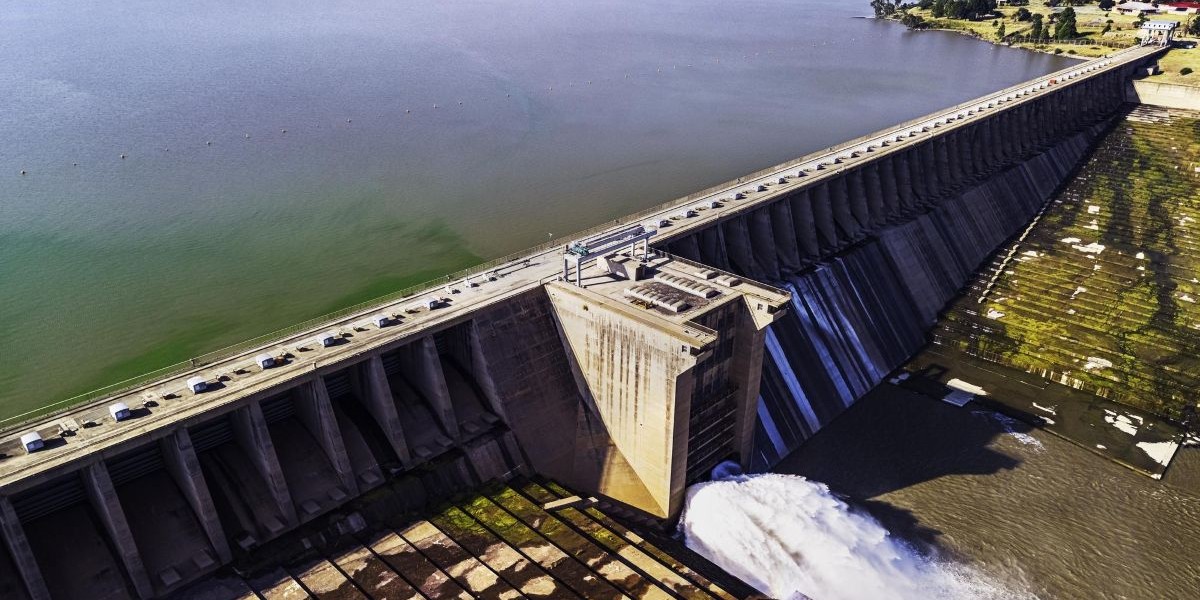
- South Africa’s dam storage is high, but a hot, dry summer could increase evaporation and water demand.
- Ageing infrastructure, water losses and vulnerable supply systems could cause outages, particularly in Gauteng.
- Water utilities, municipalities and households must reduce consumption, fix leaks and prepare for possible supply disruptions.
South Africa is heading into a hot summer, and a very strong El Niño is forecast. Our dams are in far better shape than before the 2015/16 drought, but full dams do not guarantee water at the tap, especially in Gauteng, where demand and ageing infrastructure are the real pressure points.
What is forecast
The South African Weather Service expects below-normal rainfall and above-normal temperatures for most of the country between October and December, with the strongest effects expected between October and January.
Forecasts indicate an increased risk of drought, but past strong El Niño events brought serious drought in some years and milder impacts in others. This is therefore an early warning to prepare, and guidance will keep changing as the season unfolds.
Water resources, demand and reliability
National dam storage currently stands at 96.2%. The Integrated Vaal River System, which supplies Gauteng, was at 100.9% on 28 September, compared with 97.6% a year ago. This buffer gives us time, but it is not evenly spread.
The Cape Town system, for example, stood at about 73.48% on 21 October, prompting the Department of Water and Sanitation to urge industries, businesses and residents to conserve water. The possibility of water restrictions in the Western Cape will be reassessed on 2 November, while Johannesburg Water reminded all consumers to abide by level-1 water restrictions and to reduce demand.
Higher temperatures bring higher evaporation from dams such as the Vaal, while also raising demand from households, industry and irrigation. One dry season can be absorbed, but a second would test the system far harder.
Reliability of supply will depend just as much on the condition of our infrastructure. High daily consumption, physical water losses and ageing municipal networks all affect whether water reaches the tap. The most recent Blue Drop Report found 277 of 958 supply systems in a critical state, so preparedness must consider the condition of systems, not only forecasts.
The Department of Water and Sanitation has warned that peak demand in Gauteng could prolong disruptions between October 2026 and March 2027. Water quality is part of reliability, and outages caused by contaminated drinking water can place further pressure on supply.
When drinking water fails safety standards, treatment works or parts of the network may have to be shut down/ isolated, or consumers told to boil water or find alternatives, which removes supply even when the dams are full.
Hot, dry conditions can make the consequences of these outages worse. Affected pipes and reservoirs must also be flushed, disinfected and tested before supply can safely resume, leading to prolonged recovery time. With 277 of 958 supply systems in a critical state, protecting water quality is as important as securing water quantity this summer.
What can we expect?
We have been here before. During the 2015 El Niño summer, Gauteng’s problems came from demand surging beyond supply. This summer, the most likely impacts include:
- Low pressure or dry taps in higher-lying areas, as heat pushes demand beyond supply.
- Localised outages that last longer than usual, because of continued high demand and old infrastructure.
- Requests, restrictions or scheduled interruptions if demand keeps outstripping supply.
- More heatwaves and veld fires, and pressure on food production, with price effects likely to come later.
The summer may turn out milder than feared, or conditions could worsen. How severe the impact becomes will depend largely on how much water we all use over the next few months, and on how well we work together.
How Rand Water and municipalities are preparing
Rand Water supplies bulk water to more than 18 million people through municipalities. It says it is investing in pipelines, reservoirs and treatment plants, running demand management to cut losses, sharing information and planning with municipalities, and educating the public through its Water Wise programme.
Many of the losses it targets occur in municipal networks, so every leak fixed keeps water in storage for the dry months. Rand Water has also been open that if Vaal Dam levels fall significantly, it may have to restrict or control supply to its customers to ensure equitable distribution across its supply area.
Water boards and municipalities should also keep reviewing their readiness by assessing demand, vulnerable systems, responsibilities and contingency plans, and updating them as conditions change. Fixing leaks must be prioritised, demand must be managed proactively rather than once the hottest weeks arrive, and conditions and forecasts must be monitored constantly to inform local decisions.
The public’s role
The Department of Water and Sanitation estimates that cutting municipal demand by 10% in Gauteng and eThekwini would greatly reduce the risk of summer outages, and every household’s savings add up across millions of users. Water is managed as a partnership between water utilities, municipalities and the public.
That calls for a collective effort. Residents should follow municipal notices, comply with any limits or restrictions, and report leaks, bursts, low pressure and outages quickly, so that problems are found and fixed sooner.
When communities and local authorities share information in both directions, demand can be managed area by area, and the risk of long outages falls. The South African Weather Service also urges households to take heat warnings seriously and avoid veld fire risks. Practical steps include:
- Fix leaking taps, toilets and pipes on your own property. A dripping tap or running cistern can waste hundreds of litres a day.
- Take shorter showers, and run washing machines and dishwashers only when full.
- Use rainwater or grey water for gardens where permitted.
- Cut down on peak-hour use where you can, since pressure problems tend to occur when everyone uses water at once.
Cape Town’s 2018 experience showed that public trust and behaviour change are decisive. Customers respond when they understand the risk, see their water supplier doing its part, and are told the truth about how it is going.
A very fine balance
South Africa is still a water-scarce country, requiring lasting, innovative changes in how we think about, use and manage water. Conservation is a shared responsibility, and every water user has a role to play in getting through El Niño.
If water boards and municipalities fix leaks and prepare, and households work with their municipalities to manage demand, Gauteng and the country can navigate El Niño, hopefully without a major crisis. The situation may change as the season unfolds, so all stakeholders must keep watching updates and forecasts, and all of us must do our part.
Get your news on the go. Click here to follow the Conviction WhatsApp channel.
The opinions expressed in this article are solely those of the author and do not necessarily reflect the views of Conviction.co.za
