


- Eurolab disputes the University of California’s ownership of a patent covering the prostate cancer medicine enzalutamide.
- The Supreme Court of Appeal overturned an earlier decision revoking the patent, with one judge dissenting.
- The dispute will test whether a contractual promise to transfer patent rights is sufficient to establish ownership.
A generic medicine supplier is challenging the University of California’s ownership of a prostate cancer drug patent, arguing that the institution did not acquire the rights of all the inventors when it applied for the patent.
The dispute centres on enzalutamide, the key ingredient in a medicine used to treat certain forms of prostate cancer. Eurolab supplies a generic version called Enzutix, while Astellas Pharma markets the patented medicine Xtandi.
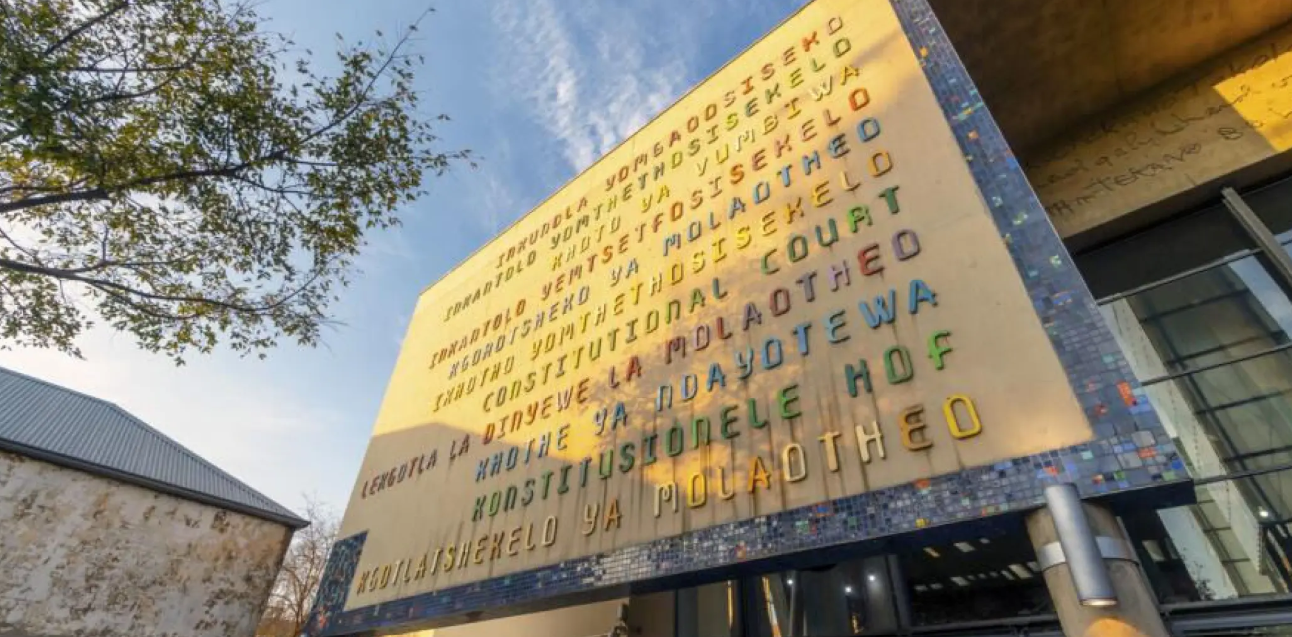
The related court cases, Dis-Chem Oncology (Pty) Limited and Others v Regents of the University of California and Others (CCT 92/26) and Eurolab (Pty) Limited v Regents of the University of California and Others (CCT 95/26), are set for hearing at the Constitutional Court on Monday, 23 November 2026.
Three inventors’ rights at centre of dispute
The University of California is the registered owner of South African Patent 2007/10870. But Eurolab argues that the university did not get the necessary rights from three of the eight inventors before it filed its patent application on 29 March 2006.
Five inventors worked for the university, while the other three were employed by the Howard Hughes Medical Institute (HHMI). Those three transferred their rights to HHMI in 2003. The university relied on a 1986 agreement with HHMI, which provided for future transfer of intellectual property rights.
Eurolab argues that this agreement did not actually transfer ownership to the university. It also disputes the university’s reliance on a 2009 assignment and a 2017 attempt to correct the patent’s ownership records.
Earlier ruling revoked the patent
The dispute followed threats of patent infringement proceedings against Eurolab for selling Enzutix. Eurolab approached the Commissioner of Patents, asking for a declaration that the threats were unjustified because the patent was invalid. The Dis-Chem companies also challenged the patent.
On 25 February 2025, the Commissioner of Patents found that the university had not acquired the necessary rights to apply for the patent. The patent was revoked, the infringement threats were declared unjustified, and Astellas’s application for an interim interdict was dismissed. But the Supreme Court of Appeal overturned that decision on 17 March 2026 by a 2–1 majority.
Judge JE Smith wrote the majority judgment, with Judge MB Molemela agreeing in a separate judgment. Judge E Baartman dissented, agreeing with the Commissioner of Patents that the university had not proved it was entitled to apply for the patent.
The majority accepted that the 1986 collaboration agreement provided a sufficient contractual basis for the university’s patent application. The dissenting judgment said an obligation to transfer rights in the future was not the same as actually transferring ownership.
Patent ownership and public interest
Eurolab says the ruling matters beyond the parties involved because South Africa uses a non-examining patent system, where patents are registered without checking whether they meet all the requirements. The company says allowing patent holders to rely on documents that are not recorded in the patent register could make it harder for competitors and the public to challenge questionable patents.
Eurolab also argues that the case raises constitutional questions about access to courts, freedom of trade, legality and access to healthcare. The affordability of cancer treatment is a key issue. Eurolab says Xtandi is much more expensive than Enzutix and blocking the generic could have serious consequences for patients, especially those without medical aid.
The University of California and the three Astellas companies have said they will oppose Eurolab’s application. Eurolab has also applied for permission to file a replying affidavit.
The company wants the Constitutional Court to grant leave to appeal, set aside the Supreme Court of Appeal’s judgment and restore the order declaring the patent infringement threats unjustified.
Get your news on the go. Click here to follow the Conviction WhatsApp channel.
