


- SAPS is prepared for planned protests and demonstrations on 30 June 2026.
- Government urges calm as around 500 Malawian nationals are temporarily housed in Sophiatown while plans for their voluntary return to Malawi are finalised.
- The International Commission of Jurists warns that anti-migrant mobilisation and vigilante activity threaten constitutional rights and could fuel xenophobic violence.
The International Commission of Jurists (ICJ) has raised alarm over what it describes as escalating anti-migrant mobilisation in South Africa ahead of 30 June 2026. It warned that xenophobic rhetoric, intimidation and vigilante activity are creating a climate of fear for migrants and other non-citizens.
According to the organisation, groups including Operation Dudula and March and March have publicly called for undocumented foreign nationals to leave South Africa by 30 June and, in some instances, have targeted foreign nationals whose presence in the country is lawful.
The ICJ said reports have emerged of private individuals attempting to inspect identity documents at workplaces and public health facilities, while some groups have sought to exclude non-citizens from accessing basic services.
The organisation said these developments raise serious concerns about the protection of constitutional rights, including dignity, equality and security of the person, as well as South Africa’s obligations under international human rights law.
ICJ Africa Programme Director Kaajal Ramjathan-Keogh said immigration enforcement remains the responsibility of the State. “No private individual or organisation has the authority to enforce immigration laws or determine who belongs in South Africa,” said Ramjathan-Keogh.
“The continued operation of groups that openly target, intimidate and seek to exclude non-citizens raises serious concern about the failure of State authorities to take effective measures to prevent xenophobic violence, protect communities at risk and hold those responsible for hate-based intimidation and unlawful conduct accountable.”
Government seeks calm over Malawian nationals
The warning comes as the government attempts to ease tensions surrounding approximately 500 Malawian nationals currently being accommodated at a church facility in Newlands, Sophiatown.
The government said the group was transported from Cape Town to Gauteng as part of arrangements coordinated by the Malawian Embassy to facilitate their voluntary return to Malawi.
Authorities said temporary accommodation had been secured while administrative and documentation processes were completed and indicated that the buses involved were expected to depart shortly. Law enforcement agencies, including SAPS, have been deployed to maintain law and order in the area.
Government departments, including the Department of Home Affairs, are working with the Malawian Consulate-General to ensure compliance with immigration requirements and the orderly facilitation of voluntary repatriation.
The government called on communities to remain calm and allow authorities to manage the matter in a lawful, orderly and humane manner.
Officials also appealed to individuals and organisations wishing to assist foreign nationals returning to their countries of origin to work through relevant government departments and obtain the necessary permits and approvals required under South African law.
Previous rulings against vigilante conduct
The ICJ pointed to a November 2025 judgment in which the High Court in Gauteng found Operation Dudula and its leadership guilty of intimidation, harassment and incitement of hate speech and violence based on nationality, social origin and ethnicity.
The order prohibited the organisation and its leaders from demanding identity documents from members of the public or otherwise taking immigration enforcement into their own hands.
The organisation also referred to separate litigation involving the Treatment Action Campaign, Médecins Sans Frontières and Kopanang Africa Against Xenophobia concerning allegations that vigilante groups obstructed access to healthcare facilities.
According to the ICJ, these cases demonstrate that courts have repeatedly been required to intervene to address the consequences of xenophobic vigilantism and the denial of essential services.
The organisation noted that implementation of the National Action Plan to Combat Racism, Racial Discrimination, Xenophobia and Related Intolerance, including the establishment of an early warning and rapid response mechanism for xenophobic incidents, has effectively become a legal obligation following the November 2025 judgment.
Concerns over government messaging
The ICJ welcomed President Cyril Ramaphosa’s recent statement that immigration enforcement is the responsibility of the State and not private actors. However, the organisation expressed concern about recent comments indicating that government departments would intensify efforts to identify and deport undocumented foreign nationals.
While acknowledging the State’s authority to enforce immigration laws, the ICJ warned that framing migration primarily through enforcement and deportation risks lending legitimacy to vigilante groups and their rhetoric.
“It is highly regrettable and deeply concerning because with his statement the President may be viewed as acceding to and supporting the demands of vigilante groups,” Ramjathan-Keogh said.
The organisation called on the government to publicly condemn xenophobic mobilisation, fully implement the National Action Plan, proactively police intimidation and obstruction of services, and investigate and prosecute individuals and groups involved in threats and harassment targeting migrants.
It also urged authorities to protect all people from violence, ensure accountability for perpetrators of xenophobic conduct and hold public officials accountable where rhetoric encourages discrimination or violence.
“South Africa’s democratic values are founded on human dignity, equality and freedom. These principles must be protected for everyone, without discrimination.”
Ramjathan-Keogh said the 30 June deadline promoted by private groups created urgency for authorities to act to prevent harm while maintaining peace and security.
SAPS assesses readiness
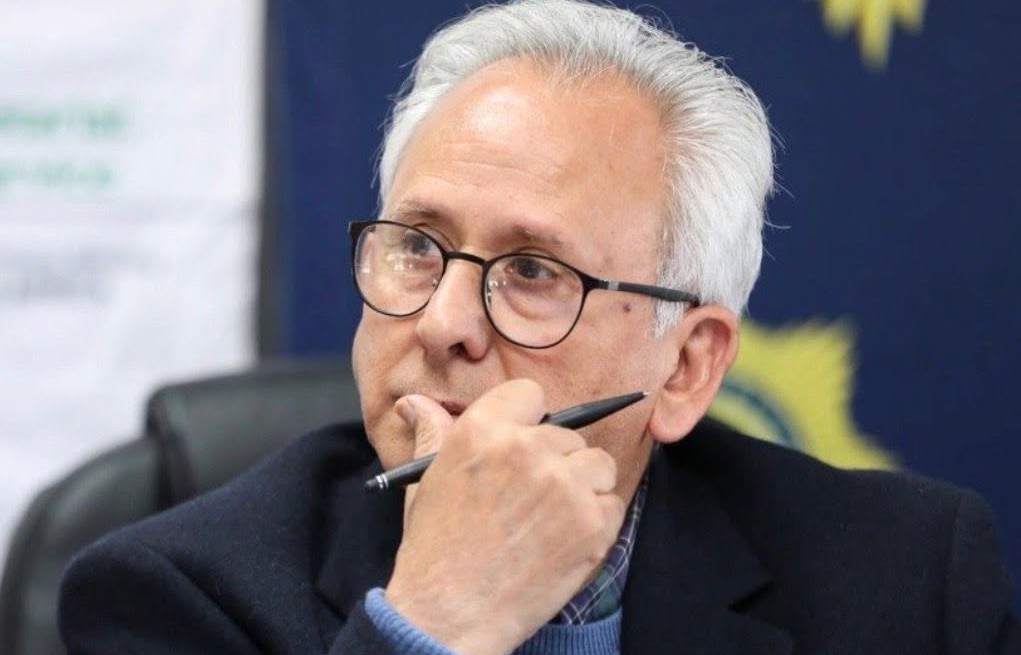
Against this backdrop, Acting Police Minister Firoz Cachalia met senior leaders of the South African Police Service on Monday to assess operational readiness ahead of demonstrations planned across the country on 30 June.
Accompanied by Acting National Commissioner Lieutenant General Puleng Dimpane, Cachalia received detailed briefings on national and provincial operational plans aimed at ensuring demonstrations take place in a safe, secure and peaceful manner.
The meeting was attended by Deputy National Commissioners, Provincial Commissioners and Divisional Commissioners from operational and intelligence environments.
Following the briefing, Cachalia expressed satisfaction with the measures put in place and said preparations would continue throughout the week.
In the coming days, he and the Deputy Ministers of Police will meet the Minister of Defence and premiers from all nine provinces to strengthen coordination and monitoring among security stakeholders.
The government will also engage representatives of the private security industry, recognising their role in supporting safety and security efforts.
The Ministry of Police further plans to visit areas that have experienced heightened instability to assess operational readiness and reinforce policing efforts where necessary.
Police pledge to enforce the law
Cachalia said police remained fully prepared to uphold the law while respecting constitutional rights. “While the constitutional right to peaceful protest will be respected, no acts of lawlessness, violence, intimidation or criminality will be tolerated,” he said.
He said weekly operations aimed at verifying the legal status of foreign nationals would continue. “These operations are aimed at ensuring that all foreign nationals residing in South Africa are in the country legally and have valid documentation. Where violations of the law are identified, appropriate action will be taken in accordance with the law.”
The Acting Minister urged Provincial Commissioners to enforce the law without fear or favour and to respond swiftly to acts of incitement, violence, intimidation and criminality. Daily operational monitoring and assessments will continue throughout the week as authorities prepare for the planned demonstrations.
Get your news on the go. Click here to follow the Conviction WhatsApp channel.


