


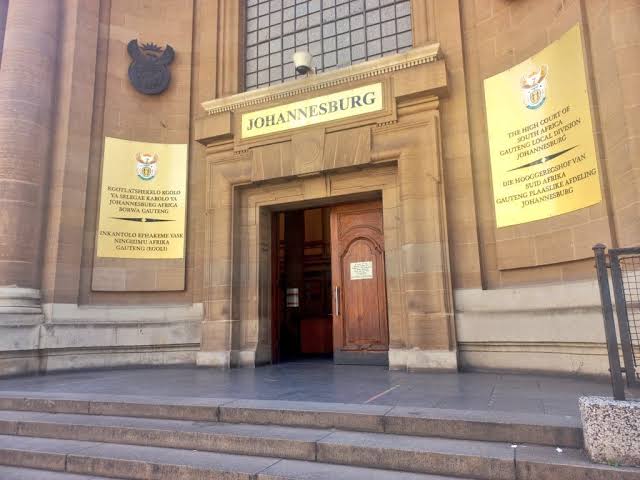
- The High Court dismissed an application to force attorneys to sign disputed pre-trial minutes.
- The judge found the contested issue was central to the main case and could not be treated as common cause.
- Each party was ordered to pay their own legal costs.
An advocate has failed in his attempt to compel a law firm and its director to sign pre-trial minutes, with Acting Judge Shadrack Tebeile finding the disputed issue should be determined at the main trial and not through an interlocutory application.
Judge Shadrack Tebeile of the High Court in Johannesburg dismissed the application brought by Advocate Mthombeni Maqhawe against Sithole & Associates Inc Attorneys and Edward Sithole. He held that parties cannot be forced to sign a pre-trial minute that does not accurately reflect their agreement.
The applicant, Maqhawe, instituted action in 2022 against Sithole & Associates Inc Attorneys and its director, Sithole. He claimed R570 500 for professional legal services rendered between 2019 and 2021. The claim is based on 16 invoices, which Maqhawe contends were disbursements incurred in the respondents’ legal practice and payable by them.
Maqhawe alleged his fees were disbursements incurred in the respondents’ legal practice and that they were responsible for paying him.
The respondents disputed liability and argued that payment was conditional on the successful conclusion of matters, the taxation of bills of costs, and the recovery of costs from clients or opposing parties.
Dispute over pre-trial minutes
After pleadings closed and discovery was completed, the parties held a pre-trial conference on 5 April 2024. After the meeting, the applicant’s attorney prepared the final pre-trial minutes.
The dispute centred on one paragraph, recorded as a common cause fact, stating that the applicant’s fees were a disbursement in the respondents’ practice and that payment responsibility rested with them.
The respondents refused to sign the document, deleted the disputed paragraph, and maintained that no agreement had been reached on that issue during the conference.
Maqhawe approached the High Court seeking an order compelling the respondents to sign the pre-trial minutes within three days. He also asked for permission to apply later to have the respondents’ defence struck out if they refused to comply.
Applicant’s argument
The applicant argued the disputed statement had already been admitted in the respondents’ plea and was therefore part of the common cause facts.
He contended the respondents could not withdraw from an agreement already made and argued that their refusal to sign prevented the matter from proceeding to trial.
Respondents’ defence
The respondents maintained that the disputed paragraph did not reflect the discussions held during the pre-trial conference. They argued the admission in their plea was a drafting error and that they had already taken steps to amend the pleading to correct it.
According to the respondents, compelling them to sign the document would force them to accept a substantive legal position they still dispute.
Judge’s findings
Judge Tebeile held that the purpose of a pre-trial conference is to narrow issues between litigants, not to resolve disputed questions central to the case.
The judge said, “A party cannot be compelled to sign a pre-trial minute that does not accurately reflect the consensus reached at the pre-trial conference.”
He found the respondents had consistently disputed the contested paragraph and so no agreement had been reached. The judge further said, “The purpose of Rule 37 is to narrow issues, not to determine them.”
He concluded that whether the advocate’s fees were a disbursement payable by the respondents lay “at the heart of the dispute” and should be decided during the trial.
Addressing the applicant’s reliance on the admission in the plea, the judge said, “The admission in the plea is only a formal admission. It can be withdrawn or amended.”
The court also found the respondents had followed the proper legal process by filing a notice of intention to amend their plea, and that the amendment dispute would be dealt with separately.
Costs
He found the litigation arose because of the respondents’ mistaken admission in their plea, but accepted that their legal argument was made in good faith.
The court therefore ordered that each party should bear its own costs, including the costs of an earlier condonation application about the late filing of the applicant’s replying affidavit.
The application to compel the signing of the pre-trial minutes was dismissed.
Get your news on the go. Click here to follow the Conviction WhatsApp channel.


