





Reading materials may for now be converted into accessible formats such as braille or large print without the consent of the copyright holder.
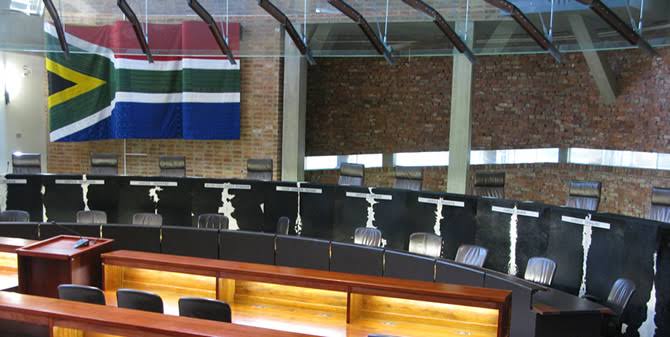
This is in terms of the interim order by the Constitutional Court regarding Section 13A of the Copyright Act, which has brought much-needed clarity for South Africans who are blind and visually impaired. In essence, the Constitutional Court has temporarily amended the Copyright Act 98 of 1978 to include an exception to copyright for persons who are blind and visually impaired, pending the final decision.
This specific section allows for the reproduction and distribution of accessible format copies of copyrighted materials without infringing copyright laws. The exception is vital for ensuring that individuals with visual impairments can access reading materials in a format that they can comprehend, thereby reinforcing their rights to equality, dignity, and education.
The interim order delineates who may produce, obtain, and supply these accessible formats, setting clear guidelines under which these activities can take place. It underscores the need for legal certainty and paves the way for rights holders and service providers to collaborate in creating an inclusive reading environment.
However, a final judgment is still pending from the court, which has yet to indicate a timeline for this decision. Notably, the hearings concerning President Cyril Ramaphosa's referral of the Copyright Amendment Bill to the Constitutional Court are set for February 19 and 20 in 2025. These hearings may illuminate further dimensions of the law, shaping the landscape of copyright in South Africa for years to come.
Blind SA, represented by SECTION27, launched an urgent application in October after the president failed to sign the Copyright Amendment Bill by the 21 September 2024 deadline imposed two years ago by the Constitutional Court.
Blind SA had challenged certain provisions of the Copyright Act that criminalized anyone who converted reading materials into accessible formats, like braille or large print, without the consent of the copyright holder. The court found in Blind SA’s favor and declared the Copyright Act unconstitutional and invalid to the extent that it discriminated against persons who are blind and visually impaired and prevented their access to reading materials.
It then suspended its declaration of invalidity and ordered Parliament to fix the Copyright Act within 24 months.


