


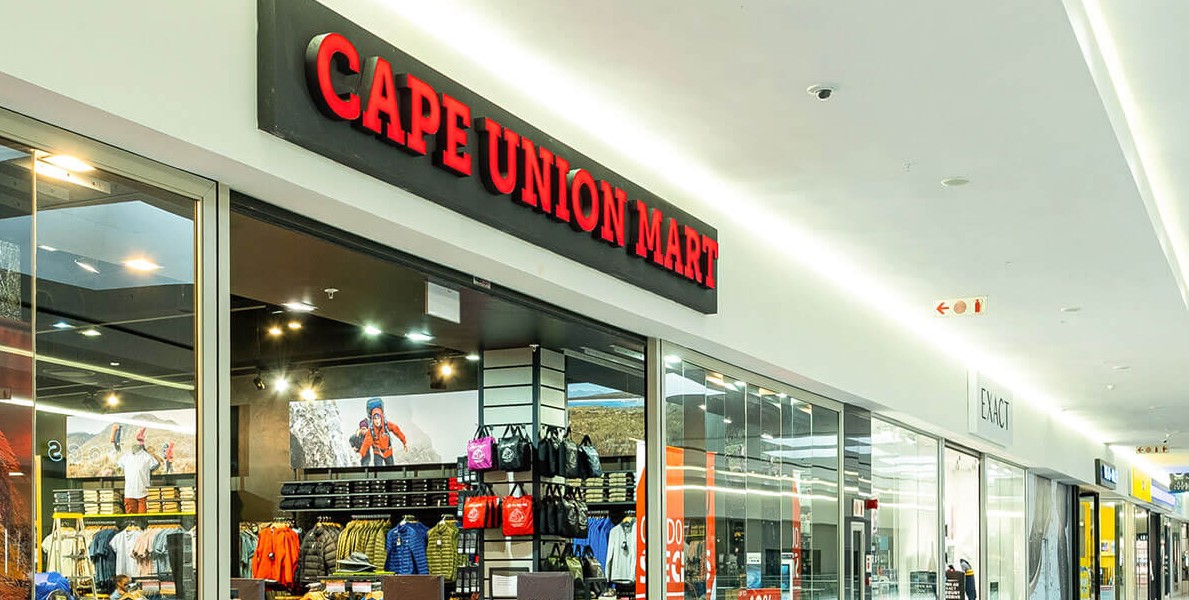
- The case followed a long-running boycott campaign that targeted Cape Union Mart because of Krawitz’s public affiliations.
- The Palestinian Solidarity Campaign argued that the allegations were protected political expression, grounded in truth and public interest.
- The High Court in the Western Cape found the claims to be defamatory but also affirmed the right to lawful protest and boycott.
For 19 months, protesters outside Cape Union Mart stores accused the retailer and its executive chairperson, Philip Joseph Krawitz, of funding genocide, supporting Israel’s military and being complicit in the killing of children in Gaza.
The allegations, which appeared on protest posters, in chants and across social media, eventually became the focus of a landmark defamation case in the High Court in the Western Cape. Cape Union Mart International and Krawitz argued that the claims were false, defamatory and were causing ongoing damage to their reputations and business.
The respondents included Maghmuda Ockards, Muhammad Shafiq Gamiet, Mohamed Zain Jeenah, Sherazaad Rahima Sylvester, Sayed Ridhwaan Mohamed, unidentified protesters and the Palestinian Solidarity Campaign (PSC). The Centre for Applied Legal Studies joined as a friend of the court. The matter was heard by Judge J Cloete, Judge CN Nziweni and Judge R Barendse.
Boycott campaign
The PSC said its campaign aimed to persuade consumers to boycott businesses it believed were connected to Israel’s military campaign in Gaza. The group argued that Krawitz’s leadership roles in organisations such as Keren Hayesod justified public criticism of both him and Cape Union Mart.
Some of the slogans displayed during the protests included “Boycott Cape Union Mart They fund genocide,” “Phillip Krawitz Genocide Funder,” and “Cape Union Mart supports killing of children in Palestine.”
Protesters also chanted, “Philip, Philip, what do you say, how many children have you killed today?” One respondent posted photographs online describing Cape Union Mart as supporting the “murders of kids.”
Cape Union Mart maintained throughout that it was not asking the court to stop criticism of Israel, discussion about Gaza, protests or consumer boycotts. Its complaint focused on the specific allegations made against the company and Krawitz.
Truth or defamation?
The PSC defended the campaign based on truth, public benefit and protected commentary. The group relied largely on Krawitz’s public affiliations and information from internet reports and articles.
Krawitz denied that he or Cape Union Mart had any involvement in the war in Gaza. He told the court the retailer had never donated money outside Southern Africa and rejected claims that he had raised funds for the Israeli military.
The court found that the respondents had relied heavily on inadmissible hearsay rather than proven facts. It concluded that the evidence showed Krawitz was not funding genocide or murdering babies, directly or indirectly, and that Cape Union Mart was not involved either.
Judge Cloete said courts must decide cases on “proven or uncontested facts, and not speculation, opinions and inadmissible material.”
The court also found that the statements were objectively defamatory and rejected the defence of protected commentary because the factual foundation for the allegations had not been established.
Protest rights remain intact
While granting a final interdict, the court stressed that the judgment was not a ban on protests or boycotts. The court ordered protesters to comply with the Regulation of Gatherings Act and barred them from preventing customers from entering Cape Union Mart stores.
Although Cape Union Mart was largely successful, the court directed that each party should pay its own costs.
Get your news on the go. Click here to follow the Conviction WhatsApp channel.


