





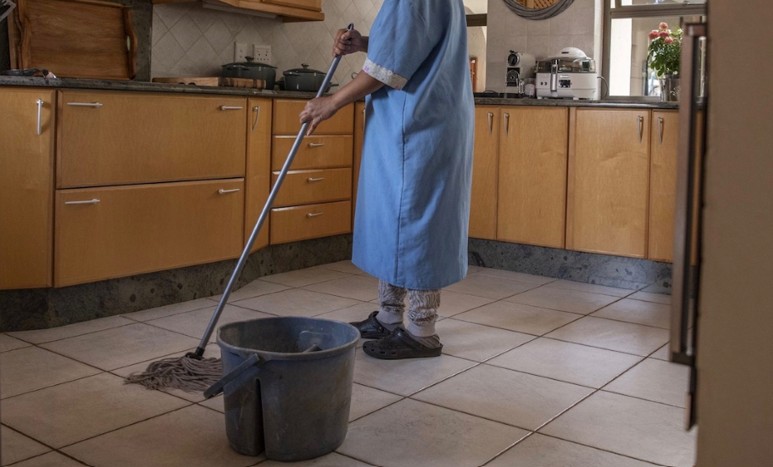
- One in five domestic workers said they experienced abuse from an employer, whether verbal, physical, or sexual.
- Some workers feel unsafe in employers' homes or while travelling to work.
- Debt, unemployment, and family pressures are worsening mental health for many domestic workers.
According to the 8th Annual Sweepsouth Report on Domestic Worker Pay and Working Conditions, one in five domestic workers reported experiencing verbal, physical, or sexual abuse from an employer.
The workers described being shouted at, physically harmed, and sexually abused in the homes where they work to clean, care, and support families. Verbal abuse was the most common type of mistreatment reported.
Among South African respondents, 18 percent said they faced verbal abuse, while 2 percent reported physical abuse and 2 percent reported sexual abuse. Among foreign nationals, 19 percent faced verbal abuse, 4 percent reported physical abuse, and 3 percent reported sexual abuse. The report highlighted that foreign nationals were more likely to experience verbal abuse.
One worker detailed the emotional damage caused by ongoing humiliation. She said, “There was a time that I doubted my ability to do work because I was constantly shouted at, making me feel like I made childish mistakes and that I didn't deserve the job.”
Unsafe at work and on the road
The report found that 5 percent of domestic workers do not feel safe or comfortable working in their employer's home. Some workers enter private households each day feeling fear or discomfort about the spaces where they earn a living.
The trip to work can also be troubling, with 13 percent of domestic workers saying they do not feel safe traveling to clients or employers, while 25 percent spend over one hour commuting in one direction. Long travel times and unsafe journeys add extra pressure to an already demanding job.
These pressures exist alongside long working hours. The median number of days worked per week is five. However, 7 percent of domestic workers reported working seven days a week, while 4 percent said they work more than nine hours a day.
The emotional cost of survival
The report found that around one in six domestic workers said their mental health had worsened in the past year. Women reported greater mental health challenges than men, with 16 percent of women affected compared to 11 percent of men.
Unemployment was highlighted as the primary stressor on mental health at 42 percent. Debt and financial stress followed at 26 percent, while family issues accounted for 21 percent. These are daily concerns that shape how workers cope emotionally while continuing to work.
One worker expressed this burden simply. “Being in debt is not easy when you are not earning well, and you have mouths to feed, leading to depression,” the worker said.
The report noted that 33 percent of domestic workers are currently in debt, with a median debt amount of R3 725. More concerningly, 35 percent of workers in debt described their repayment situation as hopeless. At the same time, 72 percent said they do not earn enough money to save each month.
Support remains limited
When asked how they care for their mental health, 42 percent of workers said their church or religious community is their main source of support, 30 percent said exercise or spending time outdoors helps them cope, and 24 percent rely on time with friends or family. Only 4 percent said they see a mental health specialist, while 15 percent do nothing at all to care for their mental health.
The report recommends clear and safe reporting mechanisms for abuse, public awareness and education about domestic workers' rights, and practical support for survivors, including financial help, legal aid, emergency housing, and comprehensive services to assist workers in leaving abusive situations safely.
Get your news on the go. Click here to follow the Conviction WhatsApp channel.


