


- The body corporate took legal action after unpaid levies ballooned from R15,527.87 to over R385,000 in a matter of years.
- The couple argued that selling their flat would pay off the debt, but the court found they did not completely own the property they were offering.
- Judge Mojapelo ruled that only the husband’s half of the property was part of his current joint estate while his former wife’s share was out of creditors’ reach.
A Gauteng couple’s bid to avoid sequestration by promising to sell a flat failed after a judge found they didn’t fully own the property.
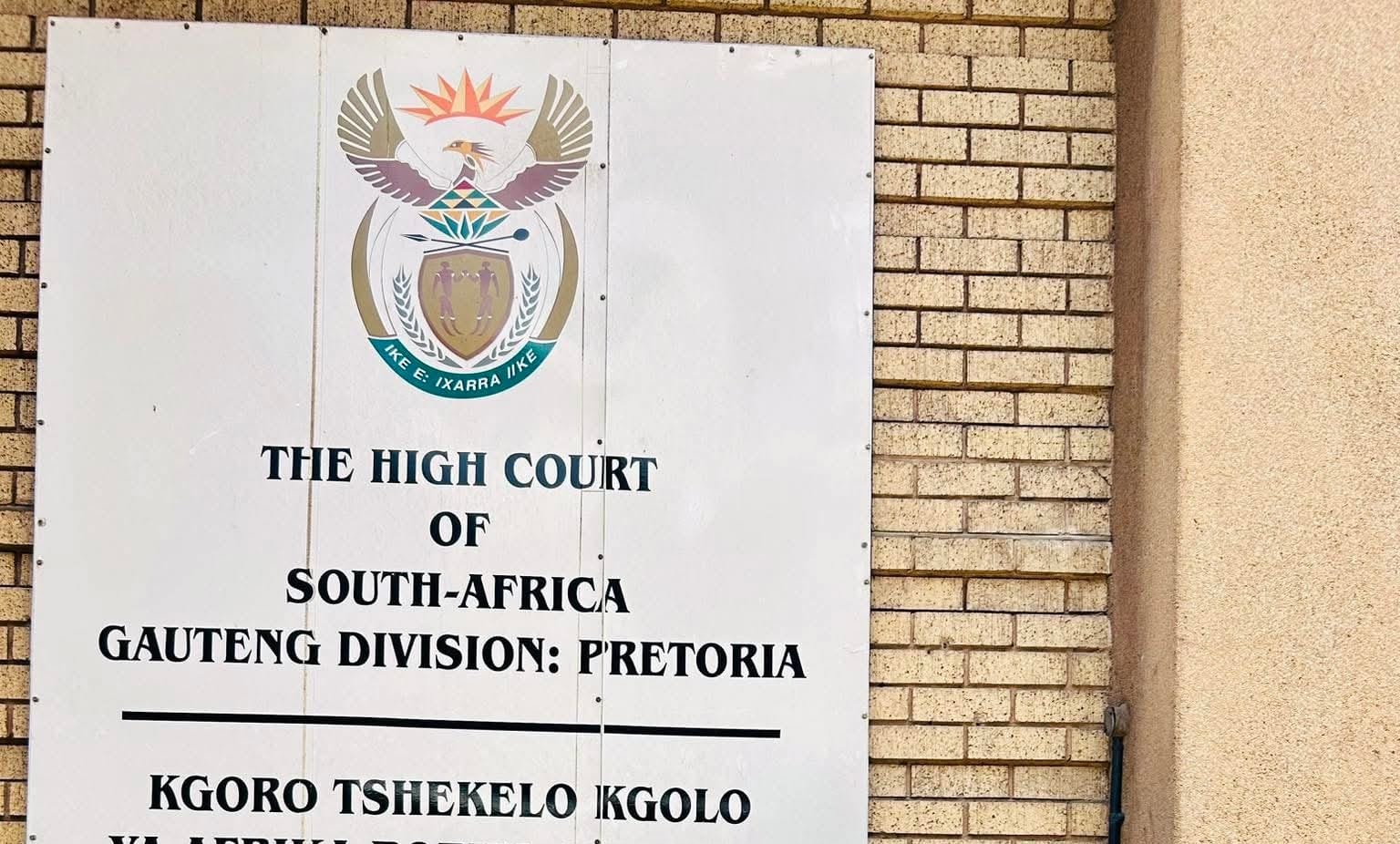
Acting Judge MM Mojapelo, sitting in the Pretoria High Court, granted a provisional sequestration order against the couple, finding their defence relied on an impossible sale and a misunderstanding of which assets could be used to pay creditors. The judge also noted that their estate may still contain value for all creditors.
The problem started with unpaid levies at a sectional title complex in Parkview, Boksburg. The Body Corporate of Parkview took the matter to the High Court, arguing under the Insolvency Act that the husband had committed an act of insolvency and that the couple were factually insolvent.
In February 2017, the body corporate secured a default judgment against the husband for R15,527.87 plus interest and legal costs. But the debt only grew. By February 2020, arrears were R114,106.93 and by June 2024 they had soared to R385,141.08.
The body corporate then tried to enforce the debt in the usual way. The sheriff served a writ on the husband but when he couldn’t pay or point out enough assets, the sheriff issued a nulla bona return. Legally, this counted as an act of insolvency under the Insolvency Act.
The body corporate also secured a court order allowing the Parkview property to be sold to cover the debt with a reserve price of R275,000. But when the sale was attempted in November 2021, there were no bids.
The court saw the failed sale, repeated unsatisfied writs, and over seven years of unpaid levies as clear evidence of financial trouble. Judge Mojapelo noted that the respondents have been in persistent default of their levy obligations for more than seven years.
The couple’s defence unravels
When sequestration proceedings started, the couple opposed the application on limited grounds. They argued that if given time to finish the sale, they could settle the debt and avoid sequestration altogether. Once the transfer was registered, they said the body corporate would be paid in full, making sequestration unnecessary.
On paper, this might have seemed reasonable. But the actual ownership records painted a very different picture. Deeds Office records showed the Parkview flat was not owned solely by the husband and wife. Instead, it was registered in both the husband’s and his former spouse’s names, each with a half share.
This meant only the husband’s half share was part of his current joint estate. His former spouse’s half belonged to her alone. It was not part of the estate facing sequestration and couldn’t be sold to pay the couple’s debts unless she agreed.
Judge Mojapelo called this the fatal flaw in the couple’s defence. “The most serious difficulty with the respondents’ defence is that the Parkview property is not theirs to sell in full,” the judge said.
The court also pointed out that the couple hadn’t provided any affidavit, consent, or power of attorney from the former spouse. Judge Mojapelo wrote that without her participation, the sale cannot go ahead.
The numbers don’t add up
But the legal issue was only one part. Even if the former spouse had agreed, the numbers still didn’t add up.
From the R480,000 sale price, the outstanding FNB bond of R400,000 had to be paid off first, along with transfer and selling costs. Whatever was left would then be split between the two owners. Only half of that remainder would go to the husband and his current wife’s estate.
The court found this remaining amount was nowhere near enough to cover the levy arrears of R385,141.08, let alone other debts. In short, the couple’s plan was based on treating the whole property value as theirs when that simply wasn’t the case.
Other assets and unanswered questions
The former spouse’s involvement also raised bigger financial questions. Judge Mojapelo noted there might still be unresolved claims between the husband and his ex-wife from their divorce such as capital contributions, past bond payments or improvements to the property. An insolvency trustee would be able to investigate these issues further.
The couple also jointly owned Portion 9 Meyerton Farms, bought for R680,000 and there was no evidence that this property was worth less than they paid for it.
There was also evidence that the Parkview flat had been rented out at times, raising questions about where the rental income went and whether any assets or income had been hidden while debts piled up. An insolvency trustee would have the authority to look into this for the benefit of creditors.
Judge’s conclusion and next steps
Judge Mojapelo agreed there was reason to believe sequestration could benefit creditors, saying the applicant doesn't need to prove that a substantial dividend will result. It’s enough to show that sequestration will likely provide some benefit to all creditors.
He added that sequestration isn’t just a debt collection tool for one creditor. It’s a collective process for fairly dealing with the estate of someone who can’t pay their debts.
The court placed the couple’s joint estate under provisional sequestration and issued a rule nisi calling on anyone interested to come forward in July 2026 and show why a final sequestration order shouldn’t be granted.
Get your news on the go. Click here to follow the Conviction WhatsApp channel.


