


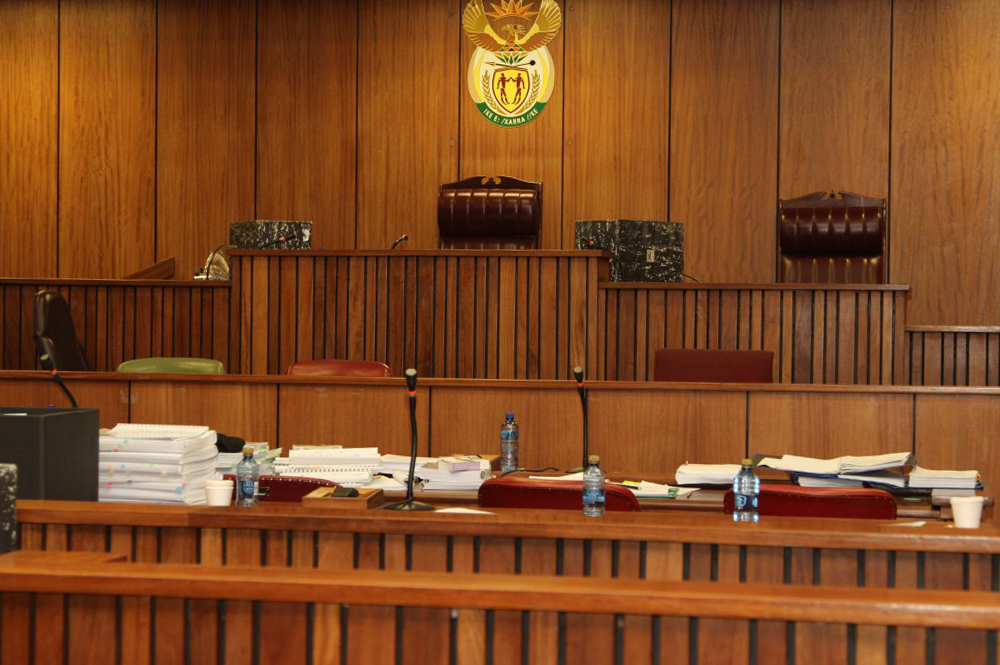
- The Durban High Court overturned Home Affairs’ denial and granted refugee status to the Mukasafari family, acknowledging gender-based violence as a legitimate reason for asylum.
- The judgment establishes that courts can intervene directly when administrative processes fail, providing immediate legal protection for vulnerable individuals facing ongoing harm.
- This case sets a powerful precedent for gender-sensitive refugee protection in South Africa, advancing the rights of women and gender minorities fleeing persecution.
The Durban High Court has taken a decisive step for gender-sensitive refugee protection by granting refugee status to the Mukasafari family, a move that not only changes their lives but also sets a precedent for how South African courts can respond to gender-based violence (GBV) as a legitimate ground for asylum.
It ruled that Home Affairs’ refusals were unconstitutional and unlawful, replacing them with an order that immediately recognises the Mukasafari family as refugees. This judgment reaffirms that fleeing gender-based violence is a legitimate and urgent reason for seeking asylum, and that justice delayed is justice denied.
Lawyers for Human Rights (LHR), which represented the family, described the ruling as a victory for women and gender minorities across the continent. Lead counsel Advocate Muhammad Zakaria Suleman was praised for his dedication and expertise throughout the case.
In a strongly worded judgment, the court refused to send the matter back to Home Affairs for reconsideration, a process often marred by delays and uncertainty. Instead, the court exercised its remedial powers to provide the Mukasafari family with immediate legal status and safety. This sends a powerful message that courts can intervene directly when administrative processes result in ongoing harm and rights violations.
A gender-sensitive approach to refugee law
What makes this decision groundbreaking is its gender-aware lens. The court affirmed that gender-based violence and persecution are legitimate grounds for asylum, recognising the risks faced by women and gender minorities. LHR hailed this as a critical step toward feminist jurisprudence and meaningful protection for those fleeing violence.
The judgment emphasised that violence against women in Africa, including gender-based persecution, must be taken seriously in all refugee determinations. By granting protection, the court reaffirmed the state’s obligation to safeguard women and girls from violence, discrimination, and other human rights violations.
For Ms Mukasafari and her children, the judgment marks the end of years spent in fear and hiding after escaping brutal gender-based violence in their home country. Their journey to South Africa was one of trauma and uncertainty, but the court’s order has finally brought them the safety and stability they longed for.
Broader significance for women and gender minorities
LHR said the case helps build stronger legal precedent at the intersection of gender, displacement, and protection, showing that refugee law must respond to the lived realities of women and gender minorities seeking safety. This decision is a victory not only for Mukasafari family, but for all who face violence and persecution because of their gender, the organisation said.
Kopanang Africa Against Xenophobia commented: “We are pleased to announce that LHR appeared before the Durban High Court and secured justice for Ms Mukasafari. The court affirmed that gender-based persecution is valid grounds for refugee protection. A victory for women’s rights and justice in South Africa!”
Conviction.co.za
Get your news on the go. Click here to follow the Conviction WhatsApp channel.


