


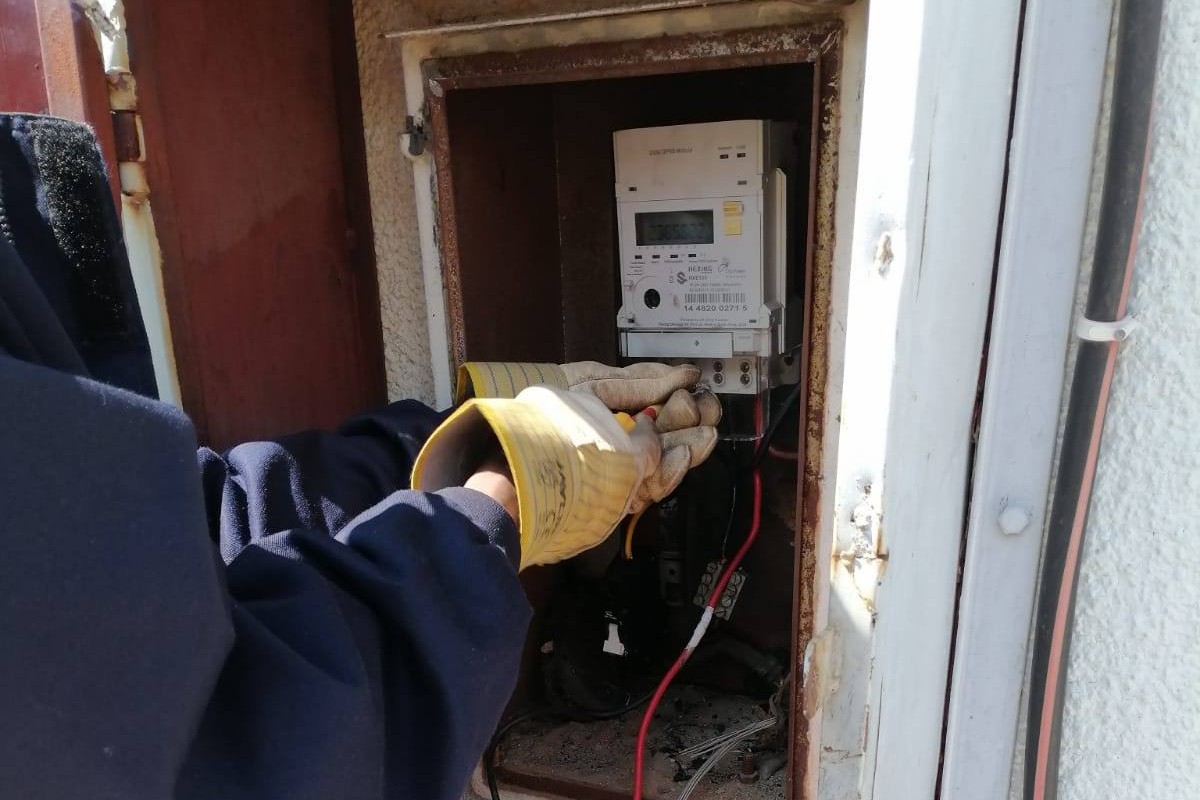
- Linraw CC claims the City of Johannesburg and City Power unlawfully disconnected electricity, causing R3.7 million in financial loss and ongoing damages.
- The municipality argued the company’s claim was legally defective, but the judge found the particulars of the claim properly disclosed causes of action in contract, statute and delicts.
- The defendants must now answer the allegations on their merits after their exception was dismissed with costs.
A Johannesburg business that says it lost R3.7 million after its electricity was disconnected will now have its dispute heard on the merits after an attempt to strike out its claim failed.
Linraw CC alleges that the City of Johannesburg Metropolitan Municipality and City Power Johannesburg SOC Ltd breached statutory and contractual obligations governing the supply of electricity. According to its pleaded case, the disconnection disrupted its operations and caused substantial financial harm, quantified at R3 700 000, with further damages allegedly continuing.
Instead of delivering a plea to deal with those allegations, the municipality and City Power raised an exception in terms of Rule 23(1) of the Uniform Rules of Court. They argued that Linraw CC’s particulars of claim lacked averments necessary to sustain a cause of action.
Judge LT Modiba, in the High Court in Johannesburg, set out the governing framework, stating that “the legal principles for an exception are trite.” She explained that an exception is a pleading in which a party objects to another pleading on the basis that it fails to disclose a cause of action, and that such objections are determined on the pleadings as they stand.
Alleged statutory and contractual breach
One of the defendants’ primary complaints was that Linraw CC had failed to identify the precise statutory provisions allegedly breached. Judge Modiba rejected this outright, finding that “there is no merit to this contention,” because the plaintiff had specified the statutory provisions relied upon in its particulars of claim.
On the contractual dimension, the municipality contended that essential details were missing, including the date and manner of conclusion of the contract and the nature of the breach. The judge disagreed. She recorded that the written application for the supply of electricity and its acceptance were pleaded, the date of conclusion was identified, and the alleged breaches were set out in multiple paragraphs. She concluded that “there is no merit to this ground of exception.”
The defendants also argued that the plaintiff failed to clarify whether its financial loss arose from a contractual, statutory or delictual obligation. Judge Modiba held that, when the particulars of the claim were read as a whole, “the alleged loss was caused by any of the pleaded causes of action,” rejecting the contention that the claim was vague or defective.
Delict and alleged non-compliance with court orders
Linraw CC’s particulars of claim refer to multiple court orders and allege that the defendants acted in contempt of those orders. The municipality argued that although the plaintiff made such allegations, it did not seek contempt relief but instead claimed delictual damages.
Judge Modiba responded firmly that “it is not for the defendants to choose a cause of action for the plaintiff.” She further noted that the defendants had “not provided any legal authority for the proposition that the plaintiff has no cause of action in delicts for failure to comply with court orders.” She added that it was not the defendants’ case that the particulars of the claim did not disclose a cause of action in delicts.
On the issue of damages, the defendants alleged that Linraw CC had failed to quantify its claim and that there was no basis to assess the reasonableness of the alleged amount. The judge found no foundation for that argument. She recorded that the plaintiff claimed R3.7 million and had set out a breakdown of that amount in its particulars of claim, together with further damages allegedly continuing. The court held that “the defendants should plead to these averments.”
Exception dismissed with costs
Having rejected each of the grounds raised, Judge Modiba concluded that “for all the above reasons, the defendants’ exception falls to be dismissed.” Although Linraw CC invited the court to consider a costs order de bonis propriis against the defendants’ attorney, the judge found that no proper case had been made out for such relief. The order ultimately granted was that “the defendants’ exception is dismissed with costs.”
The decision means the claim that an electricity disconnection caused R3.7 million in losses will now proceed to trial, where the lawfulness of the disconnection and the alleged breach of statutory and contractual duties will be tested in full.
Get your news on the go. Click here to follow the Conviction WhatsApp channel.


