


- Erasmus+ gives South African students valuable academic, cultural and professional opportunities that broaden their global outlook.
- Financial, administrative, language and credit transfer barriers continue to limit participation for many students, particularly those from disadvantaged backgrounds.
- Unisa can expand inclusive internationalisation by strengthening student support, improving credit recognition and investing in virtual and blended mobility programmes.
Dr Mmamajaga Magabane and Ms Nokuthula Mathonsi
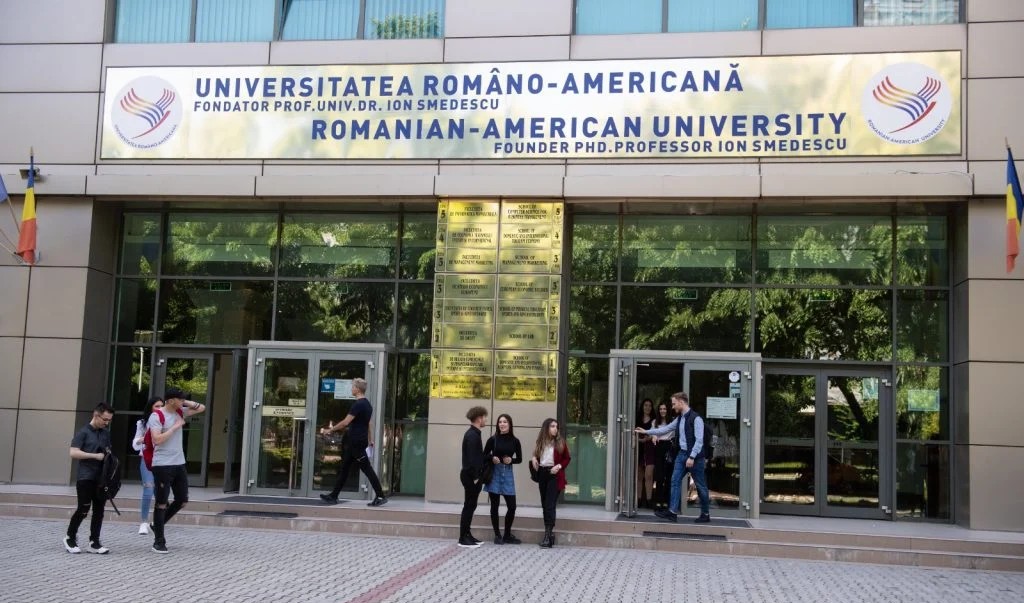
When two Unisa students boarded flights to undertake a European Union-funded Erasmus+ semester programme at the Romanian-American University in Bucharest, Romania, they expected a purely academic exchange. However, what they found on arrival was a truly transformative experience.
For Nokuthula, a postgraduate law student, and Mpho, an undergraduate business student, the programme opened doors, social circles and perspectives that reshaped how they see their studies and themselves as future young leaders.
Their story demonstrates why university students from South Africa and other parts of the continent, especially those with little prior international mobility experience, should consider participating in international mobility programmes such as Erasmus+.
Academic growth without borders
Erasmus+ is best known in Europe for promoting student mobility and institutional cooperation. For young Africans such as Nokuthula and Mpho, the programme offers clear, high-value opportunities.
Academically, it exposes learners to different pedagogies, teaching that prioritises case studies, class dialogue and visual learning to complement and deepen knowledge gained at home. Such exposure is particularly beneficial for disciplines with international dimensions, including business, law and public policy, where comparative perspectives and transnational networks enhance employability and research potential.
Nokuthula and Mpho both reported experiences of participating in classes that were inclusive and applied, helping them link theory to practice in ways their home programmes had not.
Through Erasmus+, they developed the ambition to participate in global platforms because they realised that the knowledge, skills and experiences they had gained could make meaningful contributions not only in South Africa but around the world. Being part of the programme opened their minds to endless possibilities and showed them that learning, collaboration and creating positive change are not limited by borders. It inspired them to think bigger, embrace new opportunities and believe that they can make an impact wherever they go.
Building global citizens
Beyond academics, mobility under Erasmus+ accelerates intercultural competence. Living and studying in Romania, the two students formed friendships with Romanians and fellow Erasmus+ participants from other regions, learned cultural practices firsthand and practised languages in authentic contexts.
These everyday interactions build soft skills such as adaptability, communication and cross-cultural negotiation, qualities that employers and global research partners increasingly value. Moreover, upon returning home, students often become ambassadors, strengthening institutional links and enriching campus life with new perspectives.
In addition to the cultural benefits, Erasmus+ provides structural advantages, including credit recognition through the European Credit Transfer System (ECTS) and funding that offsets travel and living costs. For many African students, access to reliable funding and clear credit transfer pathways can make a semester abroad feasible rather than merely aspirational.
Institutional cooperation projects under Erasmus+ can further strengthen African universities by supporting curriculum internationalisation, staff exchanges and joint research that continues long after individual mobility experiences have ended.
Challenges that limit participation
Yet the promise of Erasmus+ is not automatic. Several challenges continue to limit its reach and impact for students from African universities, particularly those with limited prior international mobility experience.
Information and readiness gaps remain significant. Many students, and even some university international offices, lack clarity about application processes, eligibility requirements, learning agreements and credit recognition. Without targeted pre-departure preparation and academic advising, students risk arriving unprepared for different classroom expectations or returning with credits that are not recognised.
Nokuthula and Mpho were not immune to these challenges. However, their successful integration reflected strong facilitation and continuous communication with the host university.
Support levels also vary across institutions. Strong working relationships and proactive engagement are required from both the sending and host universities. Without this, students may have negative experiences that discourage future participation.
Financial and administrative processes, including grant management, currency exchanges and delays in releasing funds, can significantly affect students’ ability to settle in a foreign country. Lengthy visa processes and institutional bureaucracy may add unnecessary stress during travel preparations. For students from lower-income backgrounds, international mobility may still appear financially unattainable despite available subsidies, particularly where additional scholarships or institutional support are lacking.
Although many European host universities offer programmes in English, local languages and cultural norms may still create barriers to students’ daily lives. Those with limited foreign-language skills may find it difficult to integrate academically and socially. Adequate language preparation and mentorship programmes are therefore essential, but they are not always readily available.
International mobility is also frequently viewed as an opportunity reserved for academically outstanding students or those with previous international travel experience. Such perceptions risk excluding many capable students from historically disadvantaged backgrounds, including those who may not excel academically but possess strong leadership potential and social aptitude.
What universities must do
For Erasmus+ and similar mobility programmes to become genuinely transformative for students from previously disadvantaged backgrounds with limited mobility experience, significant practical and structural barriers must be addressed.
Participating universities, such as Unisa have a critical role to play if they wish to expand participation. Two priorities stand out.
First, universities must facilitate access by making Erasmus+ and similar programmes more visible, affordable and administratively accessible so that first-generation mobile students, many balancing employment, family responsibilities and financial pressures, view participation as an achievable opportunity rather than an unrealistic aspiration.
Second, institutions must sustain the impact by integrating returning students into curriculum development, peer mentoring and institutional partnerships so that the knowledge gained abroad benefits the wider university community.
This requires comprehensive pre-departure preparation covering academic expectations, credit recognition, mental health support and practical logistics. It also requires top-up funding or emergency financial assistance for students with demonstrated need, together with clear learning agreements that align Unisa’s curriculum and credit systems with the ECTS to ensure seamless credit transfers.
The university should urgently implement a credit transfer system that guarantees students participating in semester-long mobility programmes receive appropriate academic credit and do not lose progress because of their participation.
A new model for inclusive internationalisation
Unisa’s global standing as a comprehensive open-distance e-learning (CODeL) institution uniquely positions it to redefine student mobility.
Its extensive reach and flexible learning model provide opportunities to use digital technologies and emerging virtual mobility programmes to create transformative international experiences for hundreds of thousands of students across South Africa and the African continent.
Even modest increases in outbound mobility through short virtual exchanges, blended placements and micro-internships could have a significant impact across the student body.
Turning aspiration into opportunity
To transform aspiration into dependable pathways, universities must address practical bottlenecks, including sustainable funding, comprehensive pre-departure preparation, formal recognition of learning and equitable access for students without prior mobility experience.
Once these elements are in place, virtual and blended mobility will no longer be optional additions but reliable, credit-bearing components of students’ academic progression.
As a CODeL institution, Unisa has a rare opportunity to scale inclusive internationalisation. With targeted investment and robust systems for student preparation and academic recognition, even relatively small increases in mobility participation can produce widespread, life-changing outcomes, particularly for students from underprivileged backgrounds.
Get your news on the go. Click here to follow the Conviction WhatsApp channel.
The views expressed in this article are those of the author and do not necessarily reflect those of Conviction.co.za or the University of South Africa (UNISA).


