


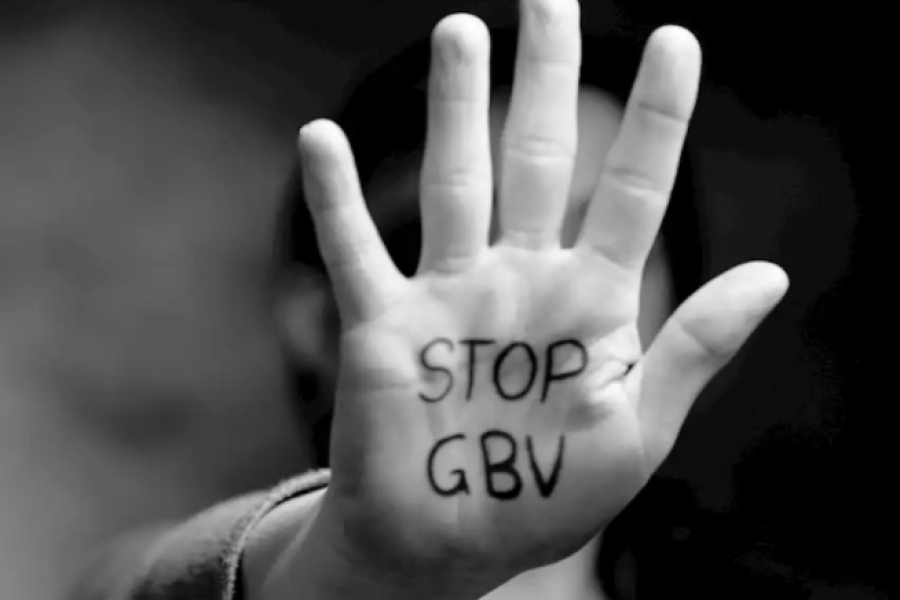
- Many survivors share their experiences of abuse with healthcare professionals before turning to the police.
- Gender-based violence has lasting effects on both physical and mental health for survivors and their children.
- The health system needs to put more focus on survivor-centred care, prevention efforts and working closely with other sectors.
Gender-based violence should be seen not just as a criminal justice issue but as a public health crisis that needs a joined-up response from all parts of society.
Dr Sharon Harbor, chairperson of the South African Medical Association Women’s Wing, explains that many survivors are more likely to talk about abuse in healthcare settings than at police stations. Feelings of fear, shame, financial dependence, emotional manipulation, worries about their children and concerns about not being believed often hold them back from reaching out for help.
Because of this, healthcare professionals are uniquely placed to spot signs of abuse, create safe spaces for survivors to open up and help connect them to support services.
Harbor says that breaking down barriers to care means creating healthcare environments where survivors know they will be treated with kindness, their privacy will be respected and they will not be judged. “It’s just as important to make counselling and mental health services easily available to survivors,” she adds.
The lasting health impact of violence
Gender-based violence is increasingly seen as a problem that goes far beyond visible injuries. Survivors can face a range of long-term physical and mental health issues, many of which might not be obvious straight away.
“The effects of gender-based violence go much deeper than the wounds you can see. Survivors often deal with hidden scars like depression, anxiety, PTSD, ongoing stress, trouble sleeping, substance abuse and even thoughts of suicide,” Harbor says.
She adds that ongoing trauma can also lead to chronic physical health problems such as high blood pressure, heart issues, chronic pain and stomach problems.
Children who witness violence are especially at risk. “Toxic stress during important stages of childhood can affect brain development, make it harder for them to manage their emotions, lower their performance at school and raise their risk of facing mental and physical health challenges throughout their lives,” Harbor explains.
She says these effects are exactly why gender-based violence must be treated as both a medical and a social emergency, needing long-term, team-based care.
Health reforms must strengthen survivor support
South Africa has made its laws around gender-based violence stronger, but legal changes alone will not solve the problem. Ending the cycle of violence takes more than just good laws and holding people accountable. It needs a wider response from society that supports survivors, challenges harmful beliefs, encourages early help and refuses to accept abuse as normal.
Harbor believes that changes in the health system should be part of the response, especially if South Africa wants to offer better support to survivors and strengthen the justice system’s outcomes.
“To cut down on gender-based violence and improve conviction rates, the health system needs to put survivors at the centre and focus on prevention. That means making mental health care easier to access, offering more forensic medical services, training staff in trauma-informed care, improving the links between healthcare and social support, and making sure all facilities follow the same protocols for handling GBV cases,” she says.
Prevention requires a coordinated response
Harbor also stresses the need to invest in prevention. “Healthcare professionals should take an active role in community education, early intervention programmes and public campaigns that promote healthy relationships, gender equality and stopping violence before it starts,” she says.
She explains that this approach means healthcare professionals do much more than just treat survivors after violence. They are also key to prevention, spotting problems early and educating their communities.
This is why health institutions, social services, the police and community groups all need to work together so survivors do not have to face a confusing and fragmented system alone.
Ending gender-based violence needs everyone to work together. Protecting survivors and preventing violence cannot be left only to the justice system. Healthcare providers, government bodies, communities, non-profits and ordinary people all have a part in creating safe spaces for survivors and ensuring that violence is never accepted or ignored.
Women’s Month should drive action
As South Africa celebrates Women’s Month, Harbor says it is a time to remember the responsibility to protect the health, dignity and human rights of women and children.
“Women’s Month is a chance to renew our shared commitment to protecting women and children’s health, dignity and rights. Healthcare professionals must keep advocating for compassionate, survivor-focused care, spot signs of abuse as early as possible, offer the right treatment and referrals and support teams that focus on both healing and protection,” she says.
She also calls for more funding for mental health services, better forensic healthcare and more accessible support programmes for survivors.
“Communities have a vital part to play too by challenging harmful gender norms, supporting survivors without judgement and recognising that violence is never just a private matter. It is a public health issue that affects families, communities and future generations,” Harbor says.
“The SAMA Women’s Wing believes every survivor should have access to safe, compassionate and comprehensive healthcare. By strengthening our health system, supporting frontline healthcare workers and tackling the root causes of violence, we can help break the cycle of abuse and build healthier, safer communities for everyone in South Africa,” she says.
For survivors, justice and proper healthcare should not be seen as separate priorities. Both are essential parts of the full response needed to tackle gender-based violence.
Get your news on the go. Click here to follow the Conviction WhatsApp channel.


