


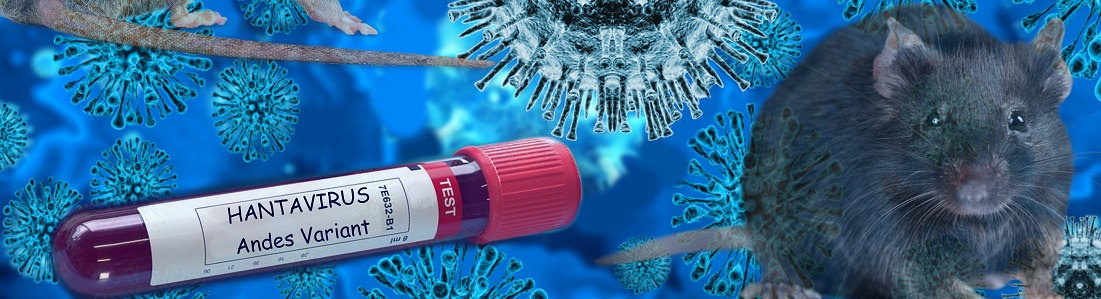
- Professor Veronica Ueckermann explains that hantavirus spreads mainly through contact with infected rodent urine, saliva, or droppings.
- The Andes variant is the only known form of hantavirus that can spread between people to a limited extent.
- South Africa is not facing a hantavirus outbreak, and current local cases are linked to exposure outside the country.
Recent international reports have raised questions about hantavirus cases tied to an outbreak on a cruise ship. According to Professor Veronica Ueckermann, Head of Infectious Diseases in the Department of Internal Medicine at the University of Pretoria, hantavirus is a rare but serious infection that needs to be understood in context.
“Hantavirus is a rare zoonotic virus, meaning it’s carried by animals, like rodents,” Ueckermann said. “Humans usually get infected when they breathe in particles from the urine, faeces, or saliva of infected rodents.”
The virus is not new and does not spread like respiratory infections, such as the flu or COVID-19. Most hantavirus infections happen after environmental exposure, especially in enclosed spaces where rodent droppings, urine, or saliva have contaminated the dust.
Activities like sweeping up dry droppings in garages, sheds, storage rooms, or other poorly ventilated areas can increase the risk of inhaling contaminated particles.
Andes variant draws international attention
The current outbreak has gained attention because it involves the Andes variant of hantavirus. This variant is unique because it is the only type documented to spread between people. However, Ueckermann pointed out that person-to-person transmission remains rare and typically requires prolonged close contact.
“To date, human-to-human spread of hantavirus is extremely rare and has only been noted with the Andes variant and during prolonged close contact, such as people living in the same household,” she said. “There is no evidence of widespread hantavirus transmission like the kind seen with COVID-19.”
Previous cases of the Andes virus indicate that transmission is linked to close, sustained exposure rather than brief or casual contact. Situations have included household exposure, intimate partner contact, caregiving, or spending time in enclosed spaces near an infected person.
This distinction is crucial in understanding public concern about travel and shared spaces. “Based on what we know about the Andes virus, the risk to fellow passengers on a flight seems low,” Ueckermann said. “Just being on the same plane, walking past an infected person, or sitting a distance away would be seen as very low risk.”
She mentioned that sitting next to a sick person on a long flight might carry a low risk. However, repeated close contact, like caring for someone, touching, or sharing cups, would represent the highest risk.
South Africa is not experiencing an outbreak
Ueckermann noted that the public health response to the recent outbreak has been appropriate and reassuring. This response has included early sequencing of the virus to confirm the Andes variant, monitoring of close contacts, and managing affected individuals.
In South Africa, hantavirus is not considered a major public health concern. Confirmed human cases are extremely rare, and the cases currently being handled in the country are due to exposure outside rather than local transmission. “South Africa is not experiencing a hantavirus outbreak,” Ueckermann said.
Symptoms can initially resemble the flu and may include fever, body aches, headaches, and abdominal pain. During winter in South Africa, these symptoms are more likely to be caused by common seasonal infections. However, anyone exposed to rodent-infested environments or who has been in close contact with a confirmed case should seek medical advice if symptoms arise.
Urgent medical care is required if symptoms worsen, including shortness of breath, chest tightness, rapid breathing, dizziness, confusion, bluish lips, or sudden complications following flu-like symptoms.
Prevention and hygiene remain important
Ueckermann encouraged people to avoid sweeping rodent droppings. Instead, they should spray the affected area with disinfectant or diluted bleach before cleaning.
People should ventilate enclosed spaces before cleaning, wear gloves and a mask, wash their hands thoroughly afterwards, and keep food and waste stored securely. Rodent entry points should also be sealed.
“Hantavirus is a rare but potentially serious rodent-borne infection, with very rare person-to-person spread,” Ueckermann said. “The appropriate response is evidence-based awareness, sensible hygiene, and rodent control, not panic.”
Get your news on the go. Click here to follow the Conviction WhatsApp channel.


