


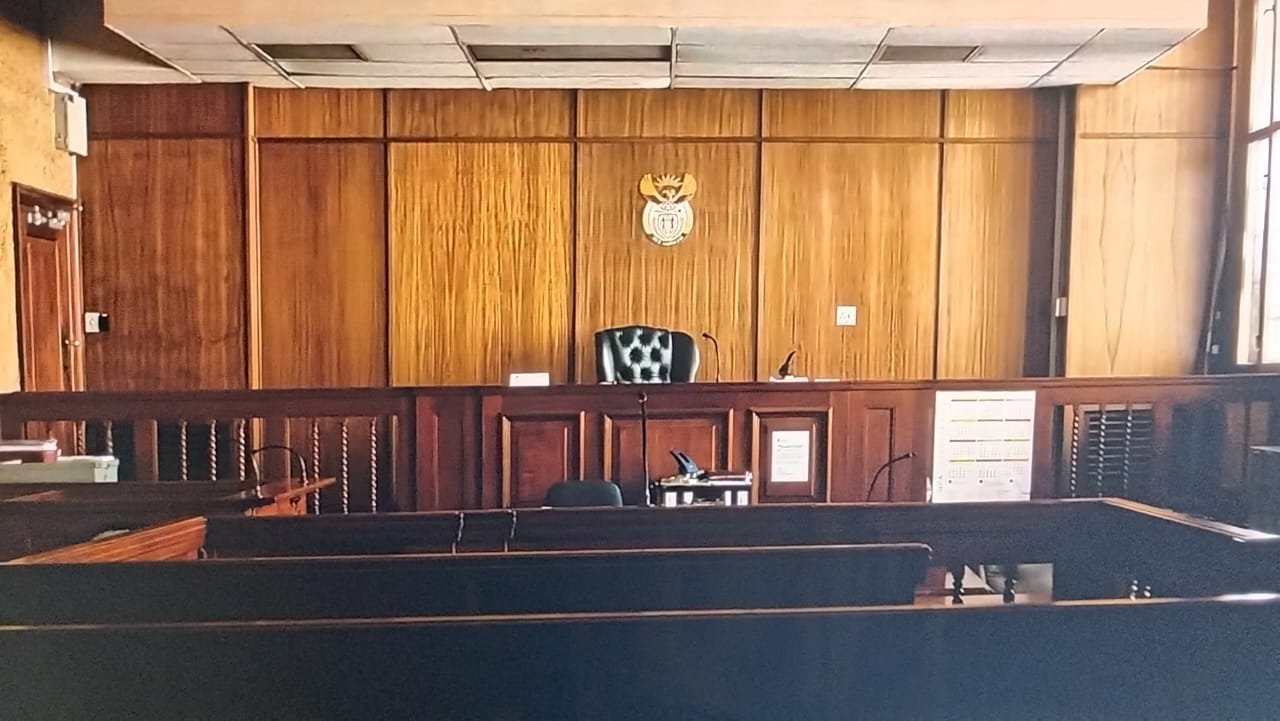
- Two people convicted of fraud tried to take back their guilty plea, saying they were pressured and didn’t understand the law.
- Magistrate refused, but High Court says she had no choice. The law required her to accept the change.
- Sentencing is now on hold while a full review of the case goes ahead.
The Durban High Court has stopped sentencing in a major fraud case after finding that the magistrate misapplied the law.
Judge A Annandale ruled that the accused had made serious claims before sentencing and that those claims should have triggered a legal rule that allows people to change their guilty plea.
Oleena Dauchand and her company, Trestine Trading, were convicted of fraud, corruption, and money laundering. They pleaded guilty in April 2025 but returned to court in June, asking to change their plea. They said they were under pressure, didn’t understand the legal consequences, and that Oleena was emotionally overwhelmed because her mother was dying.
The magistrate refused, saying the claims were vague and didn’t hold up. But the High Court said that was the wrong approach. “The s113 application did contain allegations which obliged the court to enter a plea of not guilty,” Judge Annandale wrote. “It may well be that the s113 application was motivated solely by the fact that upon production of the presentence reports the shoe began to pinch rather uncomfortably… but that is irrelevant in terms of the section as it now reads.”
Judge says magistrate went too far
The High Court said the magistrate made a mistake by trying to judge whether the claims were true. That’s not allowed at this stage of the case. “The Regional Magistrate did not… approach the matter on that basis,” the judgment stated.
“Instead, she dismissed the application because she remained in no doubt about the applicants’ guilt… That approach may aptly be characterised as embarking on a critical analysis… which the Supreme Court of Appeal… has indicated is impermissible and improper.”
Judge Annandale quoted the Mokonoto decision, which clarified that the law no longer requires proof or doubt, just an allegation. “The threshold for the section to come into operation is now less than a reasonable doubt. It merely requires an allegation.”
He also quoted Shiburi, which warned against courts trying to test the truthfulness of an accused’s explanation during plea proceedings. “A court may not embark on ‘a critical analysis of the probity’ of the explanation proffered.”
Review prospects, strong, constitutional rights at stake
The judge also looked at whether it was fair to stop sentencing while the review was still pending. He said yes. If the review succeeds later, it would be too late to undo the harm caused by sentencing. “If the review were ultimately to succeed but they had nonetheless been sentenced in the meantime, the review would be essentially meaningless,” he wrote.
He also said that the accused had a right to a fair trial under the Constitution. “The applicants seek to protect the right to obtain meaningful relief in the pending review… their fair trial rights guaranteed by s35 of the Constitution would have been violated in the process.”
Sentencing paused, review goes ahead
The High Court’s decision means the guilty plea is on hold and the case will be reviewed. If the review succeeds, the plea will be scrapped and the matter will go back to trial.
Get your news on the go. Click here to follow the Conviction WhatsApp channel.


