


Legal frameworks alone are often insufficient in influencing the behaviour of armed groups. Integrating these laws with local traditions and cultural values significantly enhances their acceptance and effectiveness.
This is the rationale behind the Tool on African Traditions and the Preservation of Humanity in Warfare, according to Sarah Mabeza, regional legal advisor for the International Committee of the Red Cross (ICRC).
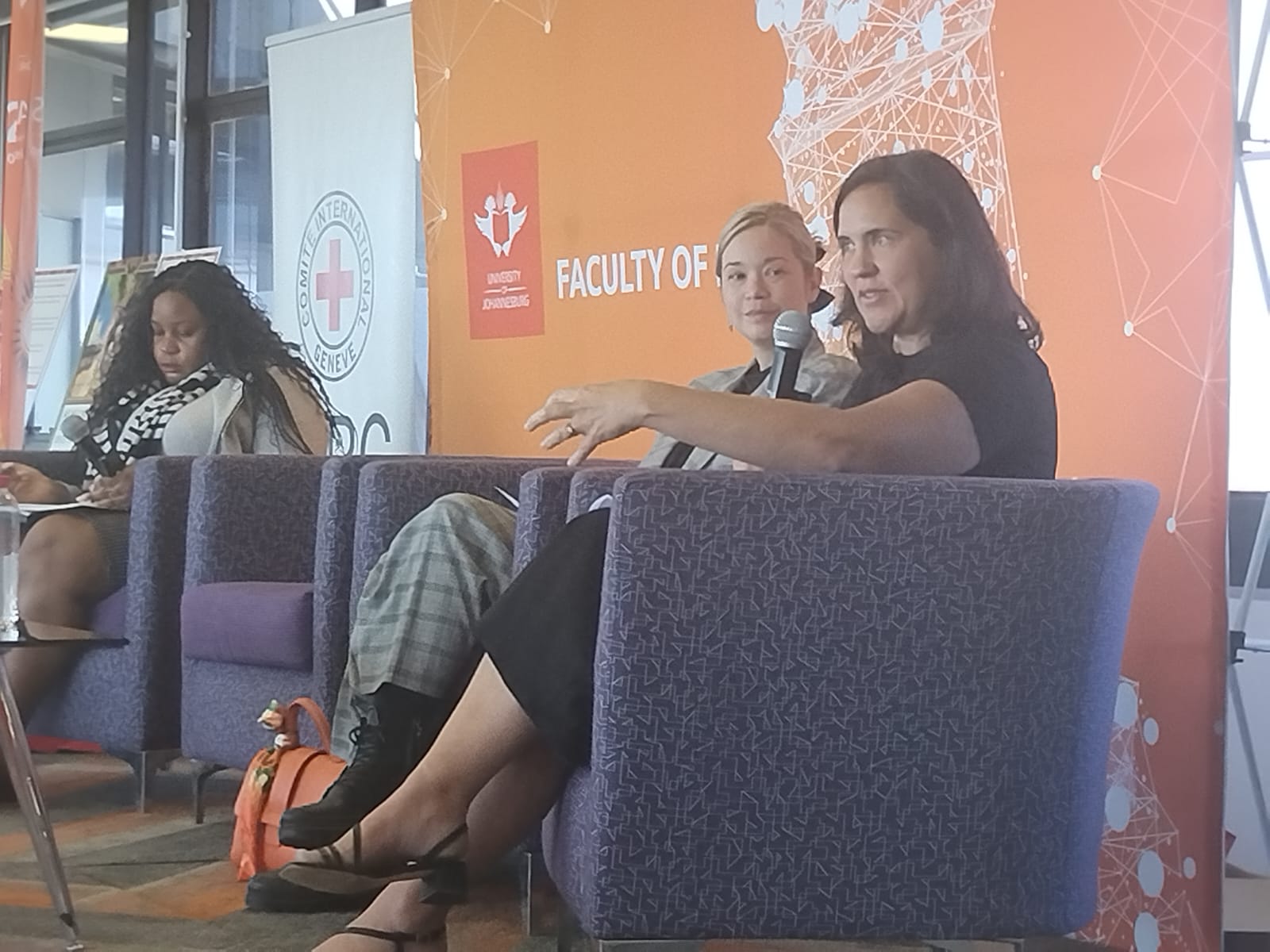
Mabeza, joined by fellow panellists Dr Joshua Joseph Niyo, the regional legal adviser for East and Central Africa at Diakonia International Humanitarian Law Centre in Nairobi, Kenya, and Professor Martha Bradley of the University of Johannesburg was introducing Version 2.0 of the Tool during its official launch on 26 May 2025 at the University of Johannesburg.
The event, strategically organised to coincide with Africa Day, underscored the essential role African customs play in reinforcing principles of International Humanitarian Law (IHL) in conflict situations.
Following the study conducted in Africa as well as other similar research in other regions, the ICRC developed the tool, which examined the behavioural influences shaping armed forces and militia groups. The findings underscored that internalising ethical principles through socialisation fosters deeper and more enduring adherence to humanitarian laws. This realisation led the ICRC and academic partners to create a practical resource linking traditional African customs to modern IHL standards.
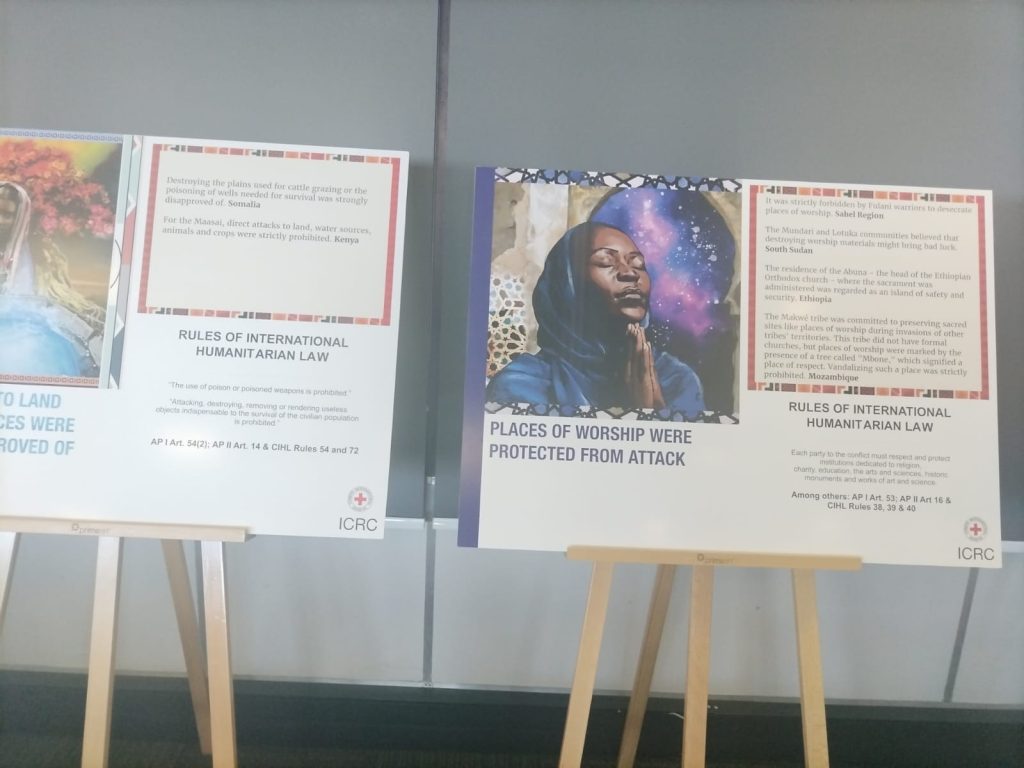
The initial version, launched in 2021, featured 11 African traditions that emphasised ethical warfare across different tribal histories. These traditions were presented alongside corresponding IHL rules, with interactive materials, including playing cards, postcards, and posters, targeting audiences such as armed actors and conflict mediators.

Version 2.0: Expanding the scope of African humanitarian traditions
The updated Tool now includes six additional practices, broadening its cultural representation and reinforcing its applicability. By framing global legal standards within local African contexts, the initiative fosters greater understanding and voluntary compliance among armed actors.
A highlight of the launch event was an expert panel discussion, where academics and humanitarian practitioners debated the significance of African-led approaches in shaping war ethics and humanitarian engagement.
African ownership and accessibility in humanitarian law
The ICRC’s expansion efforts extend beyond advocacy; the organisation is actively translating the Tool into French, Portuguese, and additional African languages to make it more accessible. Over the past few months, the tool was exhibited in Benin, Ethiopia and Tanzania.
While the Tool has made significant strides, the ICRC acknowledges ongoing research gaps. Continuous efforts to strengthen and diversify the study of African customs will ensure the Tool remains a dynamic and representative resource for future humanitarian initiatives.
#Conviction
Get your news on the go. Click here to follow the Conviction WhatsApp channel


