


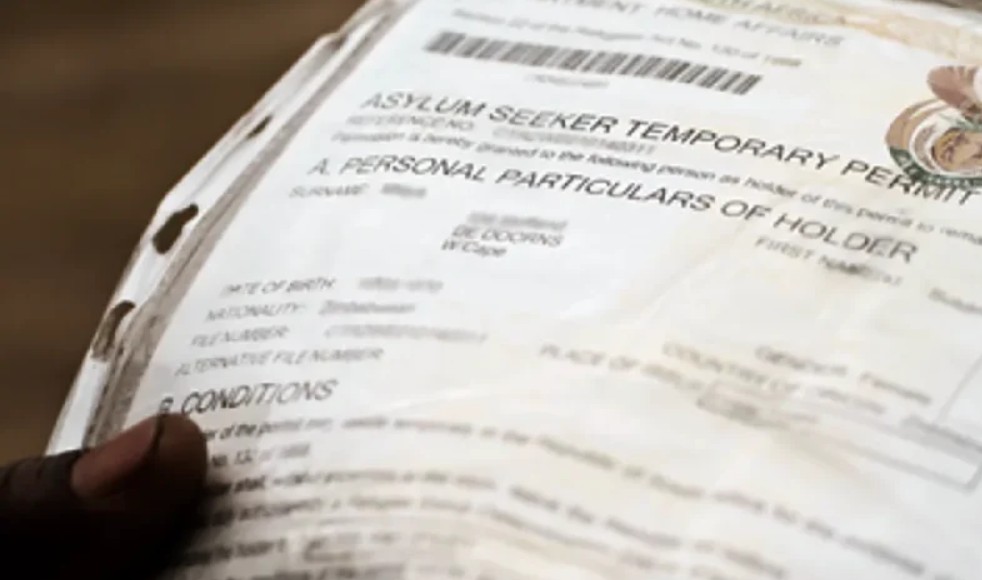
- The High Court in Durban ordered Home Affairs to give a Nigerian asylum seeker a good cause interview within 60 days.
- Acting Judge P Wallis found that the court papers contained serious factual mistakes, contradictions and poor drafting.
- The applicant's attorney and counsel were barred from charging any fees and ordered to repay any money already paid.
The High Court in Durban has ordered the Department of Home Affairs to give a Nigerian woman a chance to pursue her refugee claim, while strongly criticising her legal team for submitting what the court described as seriously flawed papers.
Acting Judge P Wallis granted Chetachi Christie Uduogu a good cause interview within 60 days but ruled that her attorney and counsel may not claim any fees for the application and must return any money already paid by their client.
The respondents in the matter were the Minister of Home Affairs, the Director-General of the Department of Home Affairs, and the Department of Home Affairs – Immigration Services Inspectorate.
Refugee interview not in dispute
Uduogu approached the court seeking an order compelling Home Affairs to afford her a good cause interview so that her claim for refugee status could be assessed.
By the time the matter was heard, however, the parties had already agreed that Home Affairs would provide the interview. The only issue left for the court to determine was costs and whether the applicant's legal representatives had properly discharged their professional duties.
Judge finds serious flaws in application
Judge Wallis said the application was full of factual inconsistencies and drafting errors that undermined its credibility.
The judgment noted that the main affidavit had the heading "Conflict in Ethiopia", but the contents talked about conflict in Nigeria. In another part, the applicant said she was born in Nigeria but claimed to be "a victim of war crimes committed by the Ethiopian military."
The court observed that counsel was unable to explain how those contradictions had arisen. The judge also found the affidavit lacked basic factual detail. It did not say when the applicant entered South Africa, which airport she used, the airline, or produce a passport. It also did not explain why she left Nigeria instead of moving elsewhere in her own country, or give proper details about the persecution she claimed to have suffered.
Concerns about translation raised
The court was equally critical of the translation of the affidavit. Although the applicant said her English was poor and that the affidavit had been translated, the papers did not say what her first language was. Instead, the interpreter said he translated between English and Swahili, even though the applicant said she was Nigerian.
Judge Wallis said it was the legal team's responsibility to confirm which language was used for translation and that the applicant was fluent in it.
Court says application was badly prepared
Judge Wallis stressed that affidavits in these kinds of cases serve as both pleadings and evidence, and must contain enough facts to back up what is being asked for.
"The problems I have pointed out above are not just technicalities," the judge said. "They made it impossible for the Court to be sure that the applicant had met the requirements for the relief claimed."
The court found that if Home Affairs had not agreed to the interview, and if the case had not involved an asylum seeker, the application would probably have failed.
The judgment also noted that the same attorneys had already been criticised in a similar case and should have known what the court expected when preparing these kinds of applications.
Lawyers lose their fees
Judge Wallis said lawyers have duties to both their clients and the court to make sure their applications are properly prepared. "The way this application was prepared let down both the applicant and the court," the judge said.
He added that the application placed an unnecessary burden on the State's legal resources and the court, even after previous warnings from judges.
He concluded that there had been "a serious neglect of duty justifying the loss of fees" and ordered that the applicant's attorney and counsel cannot recover any fees for the application and must pay back any money already paid.
Court order and outcome
The High Court ordered Home Affairs to give Uduogu a good cause interview within 60 days and told the Minister and Director-General to take steps to make sure this happens.
There was no costs order between the parties. Instead, the court ordered the applicant's attorney and counsel to pay back any fees already paid and barred them from charging any further fees for this application.
Get your news on the go. Click here to follow the Conviction WhatsApp channel.


