





- Families across 14 municipalities live amid sewage, unsafe water, flooding, and broken infrastructure, with children and the elderly most affected.
- SAHRC finds widespread breaches of constitutional duties, chronic mismanagement, and years of ignored complaints despite court orders and Auditor-General warnings.
- Commission orders urgent repairs to water and sewer systems, stronger provincial oversight, and accountability for municipal officials who fail to protect basic rights.
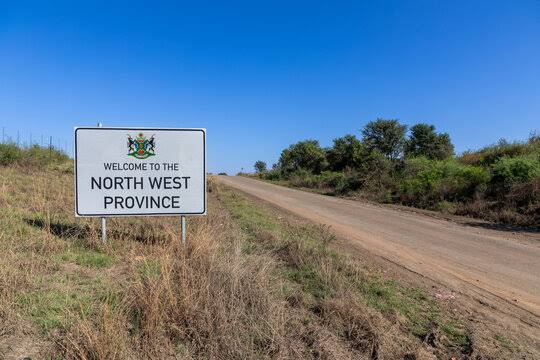
A sweeping investigation by the South African Human Rights Commission reveals a humanitarian crisis in North West Province.
The 150-page report opens with a clear statement: “The failure of municipalities to provide basic services has resulted in the infringement of residents’ rights to dignity, equality, life, freedom and security of the person, housing, health care, food, water, and social security.”
In Orkney, a resident told investigators that sewage spillages flooded his home. He was forced to sleep in damp and unsafe conditions. In Potchefstroom, residents described raw sewage, foul odours, and potholes that made neighbourhoods unsafe.
In Vryburg, families went weeks without water and had to collect unsafe supplies from dams or boreholes. The Commission stresses that when water runs out, children miss school, and clinics cannot operate safely. It added the failure of basic services leads to a failure of rights.
Service delivery failures entrenched across municipalities
The report includes 84 unresolved complaints across 14 municipalities, highlighting long-standing systemic failure. In Mahikeng, residents received brown, foul-smelling water while sewage flowed into streets and homes.
In Schweizer-Reneke, spillages continued with no effective intervention. In Lichtenburg, households went over a month without water. In Madibogo, communities endured shortages for more than 11 years. They had to buy water or rely on unsafe alternatives.
In Klerksdorp and Orkney, burst pipelines caused sinkholes and contaminated streams feeding the Vaal River. Stormwater issues in JB Marks left families displaced after heavy rains. In Wolmaransstad, diabetics faced health risks due to ongoing water outages. In Bloemhof, sewage spillages polluted the Vaal River, and residents received unsafe water from taps. In Ganyesa and Bray, residents collected water from communal pumps, sometimes travelling long distances with wheelbarrows.
Electricity and waste management faced similar issues. In Ditsobotla, residents dealt with trenches, exposed cables, and unfinished roadwork abandoned since 2021. Illegal dumping sites grew into mountains of rotting waste near schools and homes in Kgetlengrivier and Mahikeng.
In Madibeng, some households have not had running water since 1999. They were forced to buy water from private borehole owners while still being billed by the municipality. Throughout Rustenburg, Boitekong, Marikana, Tlhabane, and Ramochana, sewage spills, dirty water, crumbling roads, and unreliable electricity left families vulnerable every day.
The SAHRC warns that these failures undermine immediate rights and limit access to education and healthcare. The report emphasises that ongoing shortages keep communities trapped in cycles of indignity and risk.
Findings of constitutional breach
The SAHRC concludes that municipalities are failing to meet constitutional and statutory obligations. It found that municipalities ignored duties under sections 152 and 153 of the Constitution and the Water Services Act. Complaints were overlooked or met with temporary fixes that did not solve underlying issues.
The report states that the continuation of these failures, despite court orders, prior engagements by the SAHRC, and public reports from institutions like the Auditor-General, reveals a troubling pattern of non-compliance and disregard for residents’ basic rights. Repeated short-term responses, such as water tankers and partial clean-ups, hid problems rather than fixing them.
The SAHRC highlights poor financial management, inadequate governance, and repeated failures to maintain infrastructure. The decline is a result of years of ignored warnings.
Recommendations for urgent action
The SAHRC calls for immediate and coordinated intervention. It demands repairs and maintenance of sewage and water infrastructure, the implementation of sustainable waste management systems, and urgent repair of stormwater channels and roads. The report warns that without decisive action, residents will continue to face daily violations of their dignity, health, and security.
The provincial government is instructed to strengthen oversight, provide technical expertise, and ensure municipalities meet legal obligations. The SAHRC also calls for accountability, stating that municipal officials who neglect their duties must be held responsible. Restoring dignity requires more than infrastructure. It requires governance that respects constitutional obligations.
Get your news on the go. Click here to follow the Conviction WhatsApp channel.


