


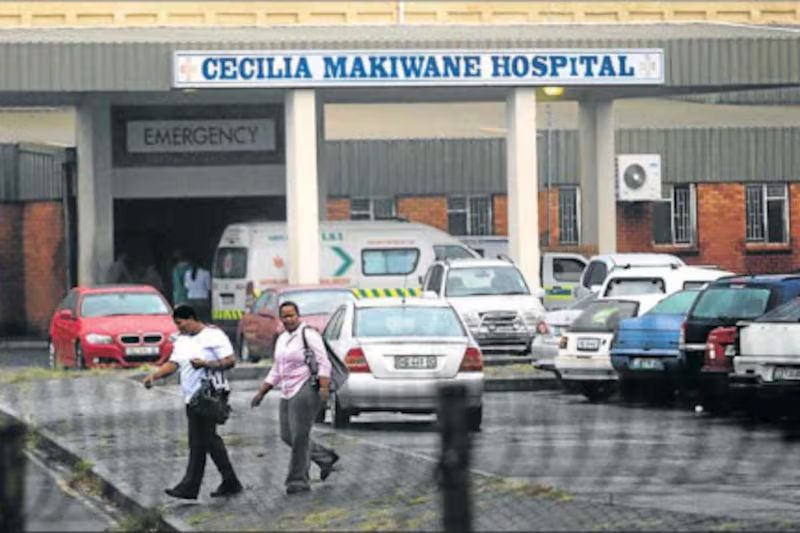
- State cannot replace compensation with treatment promises from the same public hospitals where the injury occurred.
- A boy left with severe cerebral palsy after negligent care at Cecilia Makiwane Hospital is entitled to a single lump sum damages award to secure lifelong therapy, caregivers and equipment.
- The province’s bid to substitute payment with treatment at state hospitals and reimbursement undertakings was rejected as uncertain and likely to spark repeated disputes over care.
A mother who sued the Eastern Cape health authorities after her son suffered catastrophic brain damage during birth has secured a lump sum damages payout to fund his lifelong care, after the province’s attempt to replace compensation with state-provided treatment failed on appeal.
The matter was brought by the mother on behalf of her minor child. She sued the Eastern Cape Department of Health, cited through the MEC for Health, after staff at Cecilia Makiwane Hospital in East London negligently managed her labour in 2011.
As a result, the child developed spastic quadriplegic cerebral palsy. He cannot walk, sit or feed himself, is incontinent, visually impaired and entirely dependent on others for every aspect of daily living. Experts say he will need intensive therapy, specialised equipment and permanent caregiving for the rest of his life.
Liability for the negligence was conceded. The dispute was about how future losses should be paid.
Province wanted treatment instead of money
Rather than pay future medical expenses as part of a lump sum award, the province argued that it should provide care directly through public facilities. Under its proposal, treatment would be delivered mainly at Cecilia Makiwane Hospital and Frere Hospital, with the State reimbursing certain costs when necessary.
In practical terms, the family would depend on those hospitals for wheelchairs, therapy, medication and long-term support instead of receiving funds upfront. The High Court accepted that model and even developed the common law to allow it.
Why that approach was rejected
The appeal court found that the arrangement created too much uncertainty. Evidence showed ongoing financial strain in the department, unpaid suppliers, equipment shortages and inconsistent rehabilitation services. There was no reliable proof that the same level of specialised care could be delivered consistently for decades.
The judges warned that every missed appointment, unavailable device or delayed payment could trigger fresh litigation. “Open-ended remedies undermine finality, and repeated disputes increase legal costs,” the judgment states. Instead of one final award that allows a family to plan, the case could effectively never end.
Lump sum rule reaffirmed
The court restored the once and for all rule, a core principle of damages law that requires all past and future losses to be claimed and paid in one action as a lump sum.
Although no system can perfectly predict future needs, the judges said lump sums provide certainty and allow families to take control of care through mechanisms such as trusts and professional management.
They added that replacing lump sums with state-run care would amount to a major redesign of the compensation system with budget and policy consequences nationwide, something that must be done by Parliament, not through individual cases.
What the child will receive
The order provides for comprehensive support, including full-time caregivers, regular physiotherapy and occupational therapy, specialised equipment, replacement wheelchairs, case management services and the creation and administration of a trust to protect the funds. The province must also pay legal costs.
Get your news on the go. Click here to follow the Conviction WhatsApp channel.


