


- Parliament launched its RAF inquiry after the number of processed claims dropped from over 400,000 cases each year to around 70,000.
- SCOPA says that high legal costs, operational failures and weak governance have taken billions away from accident victims.
- The committee is now finalising recommendations to speed up claims, cut down on litigation and reform the Fund.
Parliament launched its landmark inquiry into the Road Accident Fund (RAF) after a steep drop in claims processing, rising legal costs and long delays raised real concerns over whether the Fund was still serving its purpose to compensate road accident victims.
Standing Committee on Public Accounts (SCOPA) chairperson Songezo Zibi said the committee started its investigation after several Auditor-General reports revealed ongoing financial management problems. As the committee looked further, it became clear that the RAF’s day-to-day operations had declined significantly, with serious consequences for claimants and for public finances.
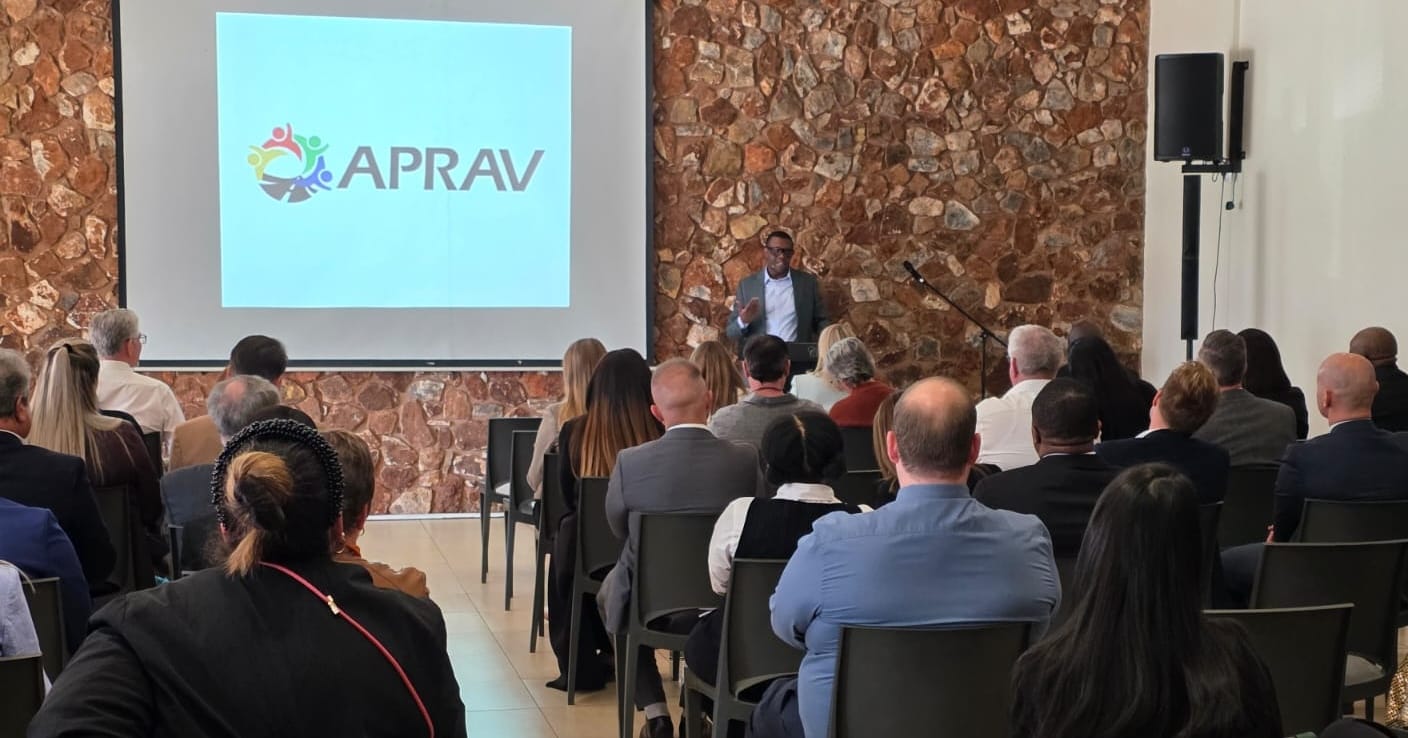
Speaking at a constituency event hosted by the Association for the Protection of Road Accident Victims on Friday, 24 July 2026, Zibi said the committee wanted to understand why the RAF was processing far fewer claims even though it was still spending billions every year.
“We needed to find out exactly how this was happening, whether it could be stopped and why it was getting worse,” he said.
Claims system under pressure
According to the Rise Msanzi MP, the RAF used to finalise over 400,000 claims each year, spending about R40 billion annually. But in recent years, the Fund has managed to complete only about 70,000 claims a year. “The average payout per claim went up by more than 70% in just three or four years,” he said.
For Parliament, those numbers pointed to more than just a financial problem, Zibi said. “They showed that fewer road accident victims were getting compensation, even as the cost of running the system kept going up.”
He said the committee found many cases where claimants waited nearly a decade for their claims to be finalised, which allowed legal fees and medical costs to spiral. At the same time, many doctors, hospitals and other service providers went unpaid for long periods after treating injured claimants.
Zibi said the committee was especially worried that public money meant for victims was increasingly eaten up by lawsuits and administration failures, instead of reaching the people who needed it most.
Financial oversight extends beyond corruption
He explained that SCOPA’s job was not only to uncover corruption, and while corruption deserved public attention, poor management and bad decisions also wasted billions. “Far more public money is lost to incompetence, which leads to wasteful spending,” he said.
He said that the committee regularly looked at how state entities were run, because poor governance directly led to financial losses. “That’s why SCOPA examined the RAF’s claims management system, legal strategy and governance failures so closely.”
Inquiry uncovered systemic failures
One of the issues the committee found was the RAF1 claim form, which required people to get costly medical reports before they could even submit claims.
Zibi said this rule effectively blocked hundreds of thousands of people from accessing the compensation system, until the Supreme Court of Appeal eventually set it aside. The committee also questioned changes to the RAF’s accounting policy, saying these changes made the problems caused by the unlawful claim form even worse.
They were also concerned about the closure of regional and satellite offices, which made it harder for people in rural and outlying areas to access RAF services. “I think it’s unacceptable, because our Constitution says we should be making government services more accessible, not less,” Zibi said.
SCOPA also found that too many claims that could have been settled without going to court ended up in litigation, which drove up legal costs and left less money for victims. At the same time, Zibi admitted that many claimants went to court because they felt it was the only way to make progress after the 180-day statutory period had lapsed, especially due to delays within the RAF itself.
Leadership vacuum hampers recovery
Beyond operational problems, Zibi described the RAF as an organisation weakened by long-term leadership gaps and instability. “I understand that some of you are frustrated and feel that the RAF doesn’t want to help, but it’s hard to get results in an organisation where everyone is acting, the work environment is toxic and the top two layers of management are missing,” he said.
He said the board couldn’t just take over management without creating governance problems, and permanent senior management appointments depended on having a permanent CEO.
According to Zibi, this process has dragged on for too long, leaving the organisation unable to rebuild strong leadership.
Funding model must also be addressed
While governance failures have played a big part in the RAF’s problems, Zibi warned that simply fixing management won’t solve everything. “The Road Accident Fund is chronically underfunded,” he said. “Even if we fix the management and operations, there still won’t be enough money to pay all the claims.”
He warned that court judgments can’t solve the funding crisis. “Going to court won’t create money out of thin air.”
Zibi said Parliament would need to decide whether the RAF should stay as an insurance-based compensation scheme or if it should be redefined by law as a social benefit scheme.
He explained that the current system forces claimants to prove their damages and future loss of income, which inevitably leads to expensive court battles. If the RAF continues as an insurance scheme, he argued, it should be funded like one.
Call for ethical reflection
Zibi also called on the legal profession to face up to what he described as hugely inflated RAF claims. He said the big gap between amounts claimed and what courts finally award shows that the current system has distorted incentives.
“I know a few High Court judges who complain about the same issue to me privately,” he said. He also criticised law firms that don’t keep clients up to date on their cases and warned that some lawyers take advantage of vulnerable claimants.
According to Zibi, this kind of behaviour damages the reputation of the legal profession and undermines public trust in the justice system.
New approach proposed for expert evidence
Looking ahead, Zibi suggested reforms that could cut down on repeated work and litigation costs. He said that medical specialists, actuaries and other experts could prepare one set of expert evidence under court and professional supervision for everyone to use, instead of producing multiple overlapping reports.
He said this could make litigation simpler and reduce unnecessary spending, without taking away claimants’ rights.
Report enters final stage
SCOPA is now working through its inquiry report section by section, and expects to finish in the coming weeks. Once complete, the report will be shared with affected parties, who can make further submissions before it goes to the National Assembly for debate and approval.
According to Zibi, the committee’s recommendations aim to save public money, make sure more funds reach claimants, streamline the claims process, speed up the settlement of legitimate claims and propose changes to the RAF’s funding model, governance and legal mandate.
He stressed that the inquiry was never about individuals, but about restoring the institution’s effectiveness. “Our inquiry was never about any one person, but about the institution,” he said.
“The committee is focused only on one group: the claimants. Only a healthy RAF can serve them well, with professional, well-resourced and skilled staff who are proud of their work because their workplace supports talent and productivity.”
He said a stronger RAF would handle claims faster, cut down on unnecessary litigation and better serve South Africans injured on the roads.
Get your news on the go. Click here to follow the Conviction WhatsApp channel.


