


- Sectional title homes now dominate new transactions as affordability pressures reshape buying patterns.
- A parallel surge in high-end upgrades shows a two-speed market driven by lifestyle and capital flows.
- Smaller energy-efficient homes and premium estates are both attracting strong demand across different buyer groups.
South Africa’s residential property market is undergoing a decisive shift, with new data and March listings revealing a clear tipping point in how people buy and live.
Paul Stevens, CEO of Just Property, explains that sectional title properties now account for more than half of new residential transactions across many major metros, while buyers under the age of 44 make up nearly half of all purchases nationwide. This signals a structural change rather than a temporary fluctuation, with affordability and lifestyle considerations converging at scale.
Stevens characterises the moment as the Great Downsizing, a transition driven by rising costs, changing household dynamics, and a stronger focus on control over monthly expenses. He explains that buyers are no longer simply chasing space, but are recalibrating what value means in practical, everyday terms. At the same time, a distinct group of financially secure buyers is moving in the opposite direction, creating a split market that is evolving in real time.
He explains, “It’s a two-speed market. On one side, people are choosing compact, energy-resilient living. On the other hand, well-capitalised buyers, including returning expatriates and younger high-earning families, are upgrading to premium freehold properties and estates where prices have stabilised. Both movements are reshaping the market in real time.”
The new demand for smaller, smarter homes
The surge in sectional title demand is closely tied to rising interest rates, municipal tariffs, utility costs, and security expenses, all of which have made large homes increasingly difficult to sustain. Hybrid work patterns and shifting family structures have also changed how space is used, reducing the need for excess square metres while increasing the need for efficiency and flexibility.
Stevens notes that buyers are prioritising homes that align with their current lifestyles rather than aspirational excess. He explains, “These buyers want homes that support the way they live now. They want efficiency, security and financial manageability, which they’re finding in smaller, well-located units.”
A clear example is a 70m² double-storey sectional title apartment in Summerset Hill, Midrand, offering a private garden and access to leading schools. With a monthly bond repayment of around R9 300, the property has drawn strong interest from downsizers, first-time buyers, and young professionals seeking secure, low-maintenance living in a high-demand area. Stevens highlights that this category of property is now driving the dominance of sectional title sales, describing it as “compact, efficient and well connected.”


Opportunity buyers and the return to space
As smaller homes gain popularity, larger properties are not being abandoned. Instead, they are being absorbed by what Stevens describes as opportunity buyers, a group that includes younger affluent families, hybrid workers needing dedicated office space, multigenerational households, and returning expatriates bringing capital back into the country.
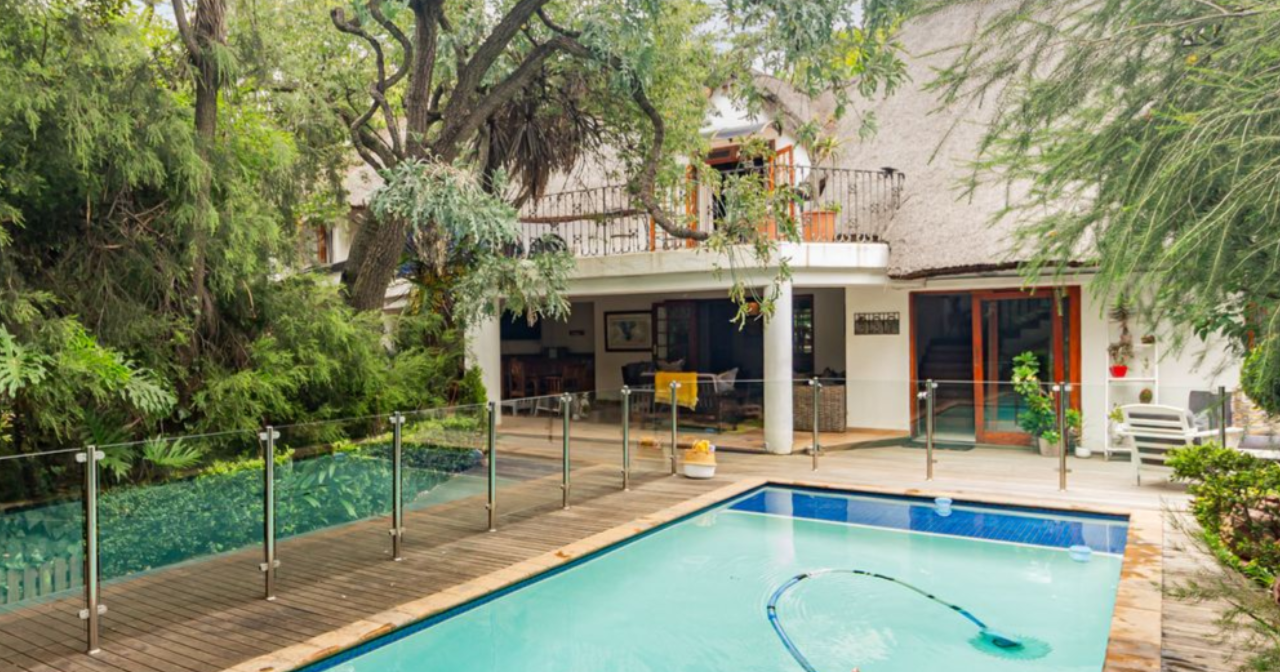
A three-bedroom home in Dawncliffe, Westville, priced at R1.899 million, illustrates this dynamic. Situated on a large erf with a pool and secure parking, and located near established schools, the property is attracting buyers who are looking for long-term value in stable suburban environments. These buyers are not rejecting downsizing trends but are instead taking advantage of increased supply and more realistic pricing.
At the top end of the market, demand remains equally strong. In Bryanston, a 1 000m² thatched estate on a 4 000m² stand is on the market for R6.59 million. The property includes multiple entertainment areas, a separate cottage, a pool, a tennis court, and full off-grid capabilities supported by a generator and borehole. Stevens explains that this type of property appeals directly to high-earning families and returning expatriates seeking privacy, resilience, and lifestyle security.
He adds, “These homes offer extraordinary value compared to global benchmarks. Buyers recognise that, and they’re moving.”
Suburbs are changing in real time
The impact of the Great Downsizing is becoming visible at the neighbourhood level, with shifts in demographics and usage patterns reshaping suburban life. Established communities are seeing an influx of younger families, which in turn is revitalising schools, sports clubs, and local economies. Retail centres are adapting by prioritising convenience-driven offerings that suit more compact living arrangements.
Security estates continue to attract buyers upgrading their lifestyles, while smaller freehold homes in well-located areas are being snapped up by those seeking more space without the burden of high maintenance. The traditional suburban model is gradually evolving into a hybrid mix of sectional title units, compact freehold homes, and estate-based living.
Stevens explains, “The average modern South African home is smaller, smarter, and easier to run. But the appetite for premium lifestyle properties remains strong. The key is that both movements are happening simultaneously, and that’s what makes this a tipping point.”
Capital is flowing differently
Underlying these shifts is a clear reallocation of capital across the market. Investment is moving away from large, high-maintenance homes towards smaller, energy-efficient properties that offer stronger long-term value and lower running costs. At the same time, capital from upgraders and expatriates is supporting demand in established suburbs and secure estates, helping to stabilise prices in areas that might otherwise have softened.
Stevens explains that this dual flow is creating a more balanced and dynamic property environment, where mobility is improving, and pricing is becoming more aligned with real-world affordability. Sellers of large homes are still finding buyers, but those buyers are increasingly selective and focused on value, particularly where properties include modern upgrades such as solar systems, inverters, water storage, and enhanced security.
Buyers targeting smaller homes are facing tight stock levels in high-demand areas, with energy-efficient features now playing a direct role in influencing both offers and final sale prices. Compact, well-located homes are consistently outperforming larger properties in terms of speed of sale and realistic pricing outcomes.
Stevens concludes, “The Great Downsizing isn’t about shrinking. It’s about right-sizing, and it’s opening doors across the market.”

Get your news on the go. Click here to follow the Conviction WhatsApp channel.


