


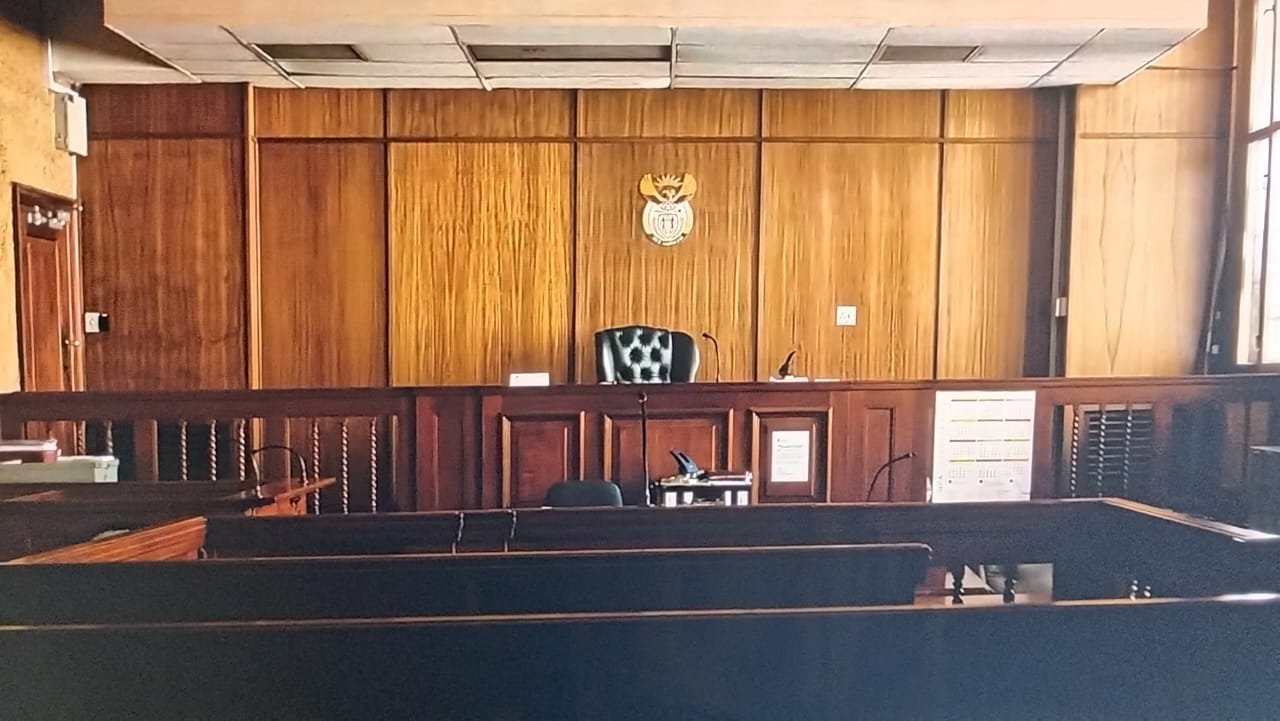
- The court found no enforceable oral agreement existed between stepmother and stepson, as emails showed negotiations were ongoing.
- Judge Nkele ruled that any agreement required a written, signed confirmation to be valid.
- The appeal succeeded in favour of Mark Bellingan, with costs awarded.
When JHV Bellingan passed away in May 2021, his wife, Photini Stefania Bellingan, discovered that a newly executed Will had cut her out of his estate, despite a joint Will she had signed with him in 2001. The revelation sparked a legal dispute with Mark Bellingan, the deceased’s son from a previous marriage, who would ultimately challenge her claims in court.
The matter was heard in the High Court in Makhanda, under Acting Judge TA Nkele, with Judge GNZ Mjali concurring. The dispute centred on whether an alleged oral agreement between Photini and her stepson existed and whether it was enforceable.
Alleged oral agreement and ongoing negotiations
The stepmother contended that the parties had agreed orally on or about 7 March 2022 that she would receive certain payments in exchange for not contesting the estate. Mark, on the other hand, argued that no such agreement had been concluded and that any arrangement would require formalisation in writing and signatures from both parties.
The court scrutinised the pleadings, noting inconsistencies between the stepmother’s claims and the evidence. Judge Nkele emphasised that “the cause of action must appear from the factual allegations made in pleadings and supported by evidential material, oral or documentary in nature.”
Email correspondence between the parties became central to the proceedings. The stepmother argued that emails exchanged between 7 and 10 March 2022 demonstrated the parties’ intent to finalise an agreement. She highlighted the involvement of Pieterse Attorneys to draft the contract.
Mark, however, pointed to later emails as evidence that negotiations were ongoing. In a 9 September 2022 email, he wrote, “… the agreement will be a separate agreement and the estate will pay out as per the Will and once paid out, then the agreement will be in place.” The stepmother replied, proposing further changes, stating, “I also need to discuss a couple of issues regarding the agreement, and I wanted to share some information and to get your input.”
Judge Nkele concluded that these exchanges indicated continued negotiation months after the alleged 7 March oral agreement, raising serious questions about whether the agreement had ever been finalised.
The court also considered the terms of the agreement attached to the pleadings. Clause 6 explicitly stated that the agreement would only be valid upon being reduced to writing and signed by both parties. Judge Nkele emphasised that, as a former bank employee experienced in contractual matters, the stepmother could not have misunderstood the significance of this clause or her signature on the document.
The court’s ruling and consequences
In dismissing the appeal, the court found the stepmother’s evidence inconsistent and concluded that the parties had only agreed to negotiate a future agreement, an arrangement the law treats as unenforceable.
Judge Nkele stated, “From the record of evidence presented at the Lower Court, it is clear that the parties agreed to agree in the future, which was to be reduced into writing and signed by both of them, for it to be valid. What they had in mind is an agreement to negotiate an agreement which never came into existence.”
The appeal succeeded in favour of Mark, with costs awarded in terms of scale B of the High Court tariff.
Get your news on the go. Click here to follow the Conviction WhatsApp channel.


