


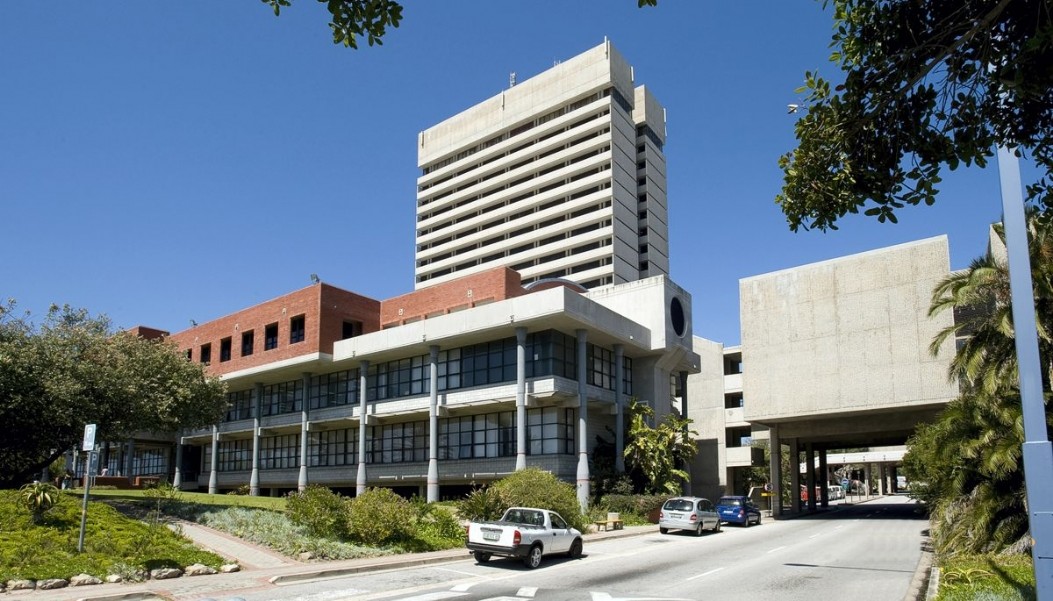
- Nelson Mandela University secured a final court order to prevent an employee from making defamatory posts on social media.
- The employee accused the university of racism, bullying, and not paying him for work he said he completed for university projects.
- The High Court found that public universities are allowed to protect their reputations through defamation cases.
Nelson Mandela University has secured a final court order to stop employee Yonela Mashalaba from posting more accusations on social media about racism, bullying, and unpaid work.
The High Court in Gqeberha found that the posts on Facebook and LinkedIn were defamatory and hurt the university’s reputation. Mashalaba is an administrative assistant in the Faculty of Engineering, the Built Environment and Technology.
The dispute began in 2025 when Mashalaba complained about the selection process for the Head of Department in Building and Human Settlements Development. He felt a qualified black woman was unfairly passed over for a white male candidate.
Not satisfied with how the university responded, Mashalaba took his concerns to the Parliamentary Portfolio Committee on Higher Education and kept raising claims of discrimination and unfair treatment. At the same time, Mashalaba also said he had not been paid for work he claimed he did on university projects.
On 18 December 2025, he posted on Facebook and LinkedIn, accusing the university of “systemic racial discrimination” and “enabling practices that disadvantage and marginalise black staff and students”.
He also said he faced retaliation after speaking out about discrimination and claimed the university decided he should not be paid for work he had already finished.
After the university sent him legal letters asking him to delete the posts, Mashalaba made more social media statements, accusing the university of threatening him with court action instead of paying what he felt he was owed.
The university went to court urgently in December 2025 and got an interim order that forced Mashalaba to take down the posts and stop making similar claims.
Court says universities can protect their reputations
Mashalaba argued against the order and said Nelson Mandela University, as a state institution, could not sue for defamation.
Judge JW Eksteen disagreed and ruled that public universities are different from government departments when it comes to defamation law.
The judge found that universities are largely independent, compete with other institutions, and rely on their reputations for student enrolment, donor funding, and research support.
Judge Eksteen said it is clear that universities have a real interest in protecting their good name and reputation. The court also dismissed Mashalaba’s claim that the university had not properly authorised the case.
Judge Eksteen found that the Vice Chancellor had approved the urgent court application and later confirmed it in writing. The judge also ruled that the social media claims were defamatory and that the university had a reasonable fear of damage to its reputation.
Judge Eksteen said the correct way to question a litigant’s authority is now set out in Rule 7(1) of the Uniform Rules of Court.
No order for legal costs
Although the university won the final interdict, the court did not order either side to pay legal costs.
Judge Eksteen said Mashalaba had raised constitutional issues about freedom of expression, so the Biowatch principle applied. This principle protects people who bring constitutional matters from having to pay the other side’s legal costs.
The court ultimately confirmed the order stopping Mashalaba from posting more defamatory comments about Nelson Mandela University and its staff on social media.
Get your news on the go. Click here to follow the Conviction WhatsApp channel.


