


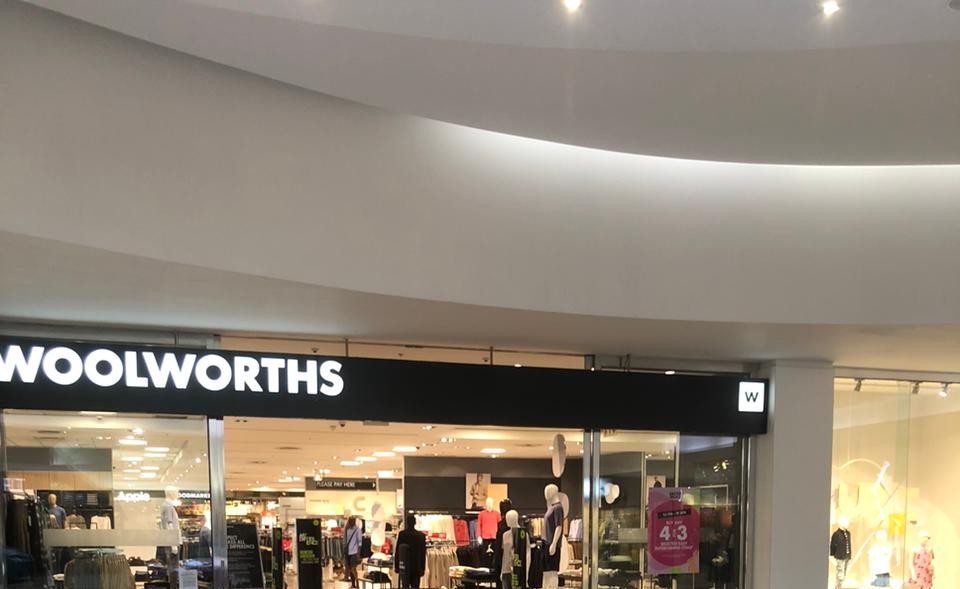
- A complaint challenged Woolworths’ animal welfare claims in relation to pig gassing practices.
- Woolworths acknowledged the use of CO2 stunning and defended it as a widely accepted industry method.
- The complaint was dismissed after the Directorate found that the claims are aspirational in nature and do not mislead consumers.
Woolworths has successfully navigated a pointed challenge to its animal welfare credentials, following a consumer complaint over the use of pig gassing in its pork supply chain.
At the heart of the matter was a consumer who took direct aim at Woolworths (Pty) Ltd, challenging the retailer’s advertising and website statements on animal welfare. Woolworths publicly states that it is committed to ensuring animals in its supply chain are treated “in the most humane way possible” and that harm, stress, and pain are kept to a minimum.
The complainant argued that these assurances simply could not be squared with the use of CO2 gas stunning in the slaughter of pigs.
Parties and background
The complainant drew on Woolworths’ own messaging, including its reference to the “Five Freedoms” of animal welfare, to argue that the retailer creates an impression of humane treatment that is fundamentally at odds with practices known to cause distress. Central to the complaint was the contention that CO2 gas stunning causes significant suffering before animals lose consciousness.
Woolworths did not dispute that CO2 gas stunning forms part of its pork supply chain. The retailer confirmed that its suppliers use both CO2 gas stunning and electrical stunning, and maintained that, when properly applied, both methods are widely accepted approaches aimed at reducing animal suffering.
In defending its position, Woolworths submitted that the issue remains complex. It stated, “When one considers the vast research on the topic, it’s clear that on balance the two processes are more or less equal in terms of their ability to mitigate suffering, when done well.”
Arguments before the Directorate
The complainant’s case centred on the apparent gap between Woolworths’ ethical positioning and the realities of slaughter practices. The argument was that ordinary consumers would reasonably read Woolworths’ statements as an assurance that animals are not subjected to distressing processes, such as gas stunning.
Woolworths, for its part, framed its statements as commitments and aspirational goals rather than hard guarantees. It emphasised that its language consistently speaks to working towards improved animal welfare, minimising harm, and striving to meet recognised standards. The retailer also pointed to a range of safeguards embedded in its supply chain, including trained animal welfare officers, ongoing monitoring systems, and independent audits.
Findings of the Directorate
In assessing the complaint, the Directorate of the Advertising Regulatory Board considered whether Woolworths’ statements were likely to mislead consumers. It did not shy away from acknowledging the discomfort that slaughter practices evoke. It stated, “The Directorate is extremely sympathetic to the complainant’s concerns about animal welfare and collectively experiences great discomfort at the contemplation of methods of slaughter.”
It went further to recognise the nature of the industry. It said, “The Directorate also acknowledges that slaughtering livestock is by its very nature a stressful and distressing process for the livestock, and that humane abattoirs can only make their best efforts in reducing this stress and distress.”
Central to the outcome was how Woolworths’ language would be understood. The Directorate explained, “Stating a commitment to an outcome is aspirational, and the advertiser does not state that it has achieved its intended outcome.”
It also found that Woolworths’ wording reflects intention rather than certainty. It noted, “None of these statements is an absolute statement of a successful outcome, but all reflect an intention, a ‘best effort’ approach, or a commitment to continuous improvement.”
Outcome
The Directorate concluded that Woolworths’ advertising does not breach the prohibition on misleading claims. It found that the retailer’s statements do not promise an outcome that is unachievable in the context of meat production, and that they are consistent with a genuine best-efforts approach to animal welfare.
On that basis, the complaint was dismissed.
Get your news on the go. Click here to follow the Conviction WhatsApp channel.


