


- CSOS has no authority to impose levy repayment terms, residents and HOAs must settle payment plans between themselves.
- Ombud emphasises importance of fair negotiation rather than coercion or gate access restrictions.
- Levy arrears do not justify punishing residents without a court order, and dignity must be preserved.
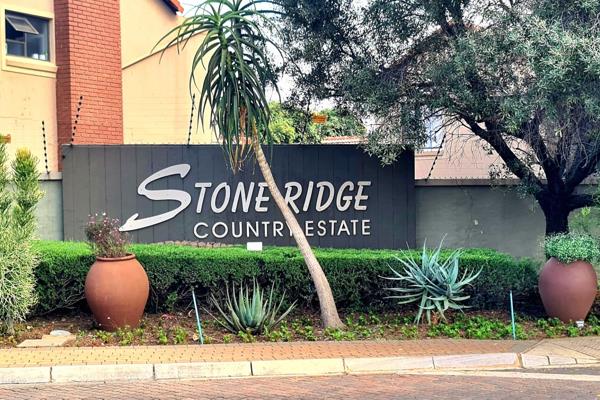
When Ronnie Pillay fell into levy arrears at Stoneridge Country Estate in Centurion, he did what many South Africans in financial difficulty try to do; he offered to pay what he could. Pillay proposed to pay a portion of the outstanding amount upfront and settle the balance in manageable instalments.
But instead of working with him, the Homeowners Association (HOA) escalated the matter to the Community Schemes Ombud Service, asking CSOS to approve a payment plan that would force him to pay over R70 000 immediately, with strict monthly instalments for the balance.
At the same time, the HOA used gate access restrictions to apply pressure, locking Pillay out of his own home due to the arrears, a move that left him distressed and humiliated. With no alternative, he turned to CSOS for help, hoping the Ombud would intervene in the heavy-handed treatment he had received.
CSOS Adjudicator Karen Bleijs made it clear that the HOA had overstepped. Not only did she reject their request to enforce the payment plan, she also emphasised that CSOS does not have the power to impose financial agreements on unwilling parties. Most importantly, Bleijs reminded schemes that locking a resident out of their home is a violation of their rights and cannot be justified merely because levies are outstanding.
Falling behind does not cancel your dignity or your rights
Many people assume that once you’re in arrears, you lose your voice and must submit to whatever terms the HOA demands. This case proves otherwise. Bleijs ruled that Pillay’s rights had been infringed, and confirmed that while schemes have the right to recover what is owed, they do not have the right to punish or exclude residents without a court order.
No one may be denied access to their home, even if they are behind on levies. Such punitive measures are unlawful, and can cause deep psychological harm, especially when families and children are affected. The ruling makes it clear: debt does not equal guilt, and struggling homeowners are not criminals.
Any payment arrangement must be a mutual agreement. CSOS cannot rubber-stamp an HOA’s financial terms, and will not be used to enforce one-sided payment plans.
Real negotiation must replace intimidation
The decision is a stern warning to community schemes tempted to use gate tags, public embarrassment, or inflexible payment demands to force compliance. While managing levies is necessary, enforcing payments must be done legally and humanely.
Bleijs urged parties to negotiate in good faith, take residents’ personal circumstances into account, and avoid legal shortcuts. If no agreement is possible, the HOA may pursue formal debt collection, but it may not weaponise access control or seek CSOS’s permission to do so.
In an environment where many families are struggling with debt and rising costs, the CSOS ruling offers vital protection. It reminds residents that they have a right to fairness, and reminds HOAs that respect and the law must guide all decisions.
As this case shows, community living requires more than contracts, it requires compassion.
Conviction.co.za
Get your news on the go. Click here to follow the Conviction WhatsApp channel. i
