


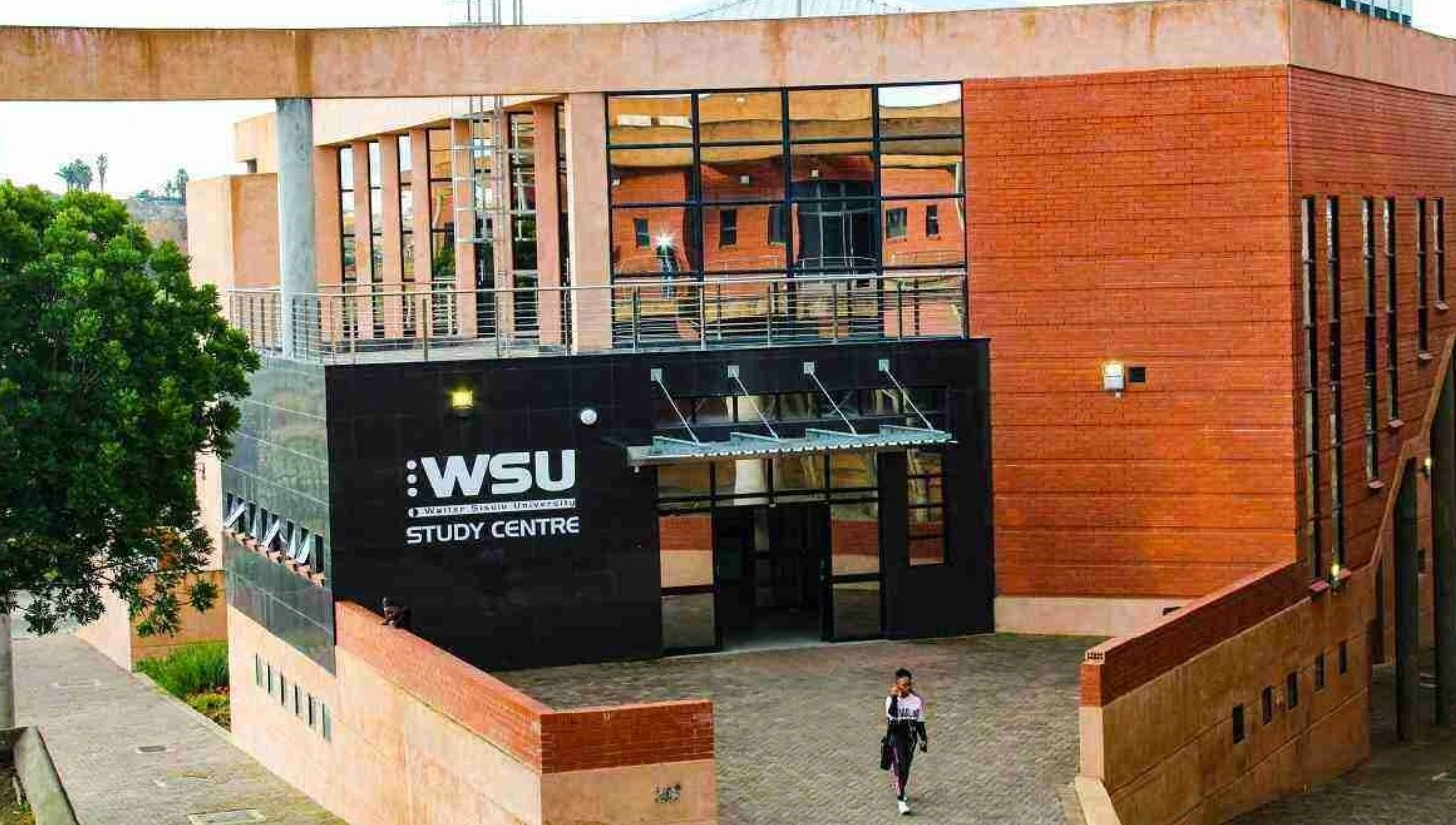
- Walter Sisulu University ignored student demands and deployed armed private security, breaking the law.
- Police units fired rubber rounds and likely live ammunition, violating their own rules and constitutional standards.
- Oversight bodies failed to act promptly, leaving students unprotected and exposing systemic weaknesses in accountability.
The South African Human Rights Commission (SAHRC) has found that Walter Sisulu University (WSU) failed to engage meaningfully with its students and acted unlawfully by deploying private security to control crowds during the protest on 27 May 2024.
In its report on the unrest, released on 4 December 2025, the SAHRC concluded that privately contracted security companies breached the Private Security Industry Regulation Act by using prohibited munitions.
It also found that the South African Police Service (SAPS) violated National Instruction 4 of 2014 and Standing Order 262 by deploying tactical units unsuited to public order policing and by resorting to excessive and disproportionate force.
The report further recorded that oversight bodies, including the Independent Police Investigative Directorate (IPID) and the Private Security Industry Regulatory Authority (PSIRA), failed to act with urgency, leaving students exposed and without effective protection.
SAHRC commissioner Tshepo Madlingozi told the inquiry that the unrest was “not an isolated incident but the foreseeable outcome of unresolved grievances compounded by institutional neglect”.
Students had submitted a memorandum of demands days before the protest, but the university did not respond meaningfully. Instead, armed private security advanced on seated protesters, discharging rubber rounds and pepper spray.
Gunfire and testimony
By the morning of 27 May, the protest had spilled onto the N2 highway, where students encountered SAPS tactical units reportedly untrained or ill-equipped for crowd management. The inquiry heard that ballistic evidence and medical testimony strongly suggest that both rubber rounds and prohibited live ammunition were used.
Photographs examined by the commission showed cartridge casings marked “PMP”, a designation typically associated with SAPS or military-issued ammunition. SAPS has not yet provided the ballistic report it committed to furnish, a silence the SAHRC described as deeply troubling and corrosive to public trust.
Students gave harrowing accounts of the day’s events. One student told the inquiry, “We were sitting down when the security came. They shot at us. We ran, but there was nowhere to hide.” All in all, 14 people were hospitalised, including three who sustained life-threatening injuries.
Rights infringed and lessons for the future
The SAHRC rejected any suggestion that isolated violence by a small number of protesters voided the constitutional protection afforded to the broader gathering. While some students burned tyres and threw stones, the commission said these actions did not strip the entire assembly of its lawful character. Section 17 of the Constitution protects the right to peaceful and unarmed assembly, and sporadic unlawful conduct by individuals does not extinguish that right for all.
The inquiry also found that digital disinformation inflamed tensions. A viral post falsely claimed that three students had been killed and was accompanied by unrelated foreign footage of automatic gunfire. Neither WSU nor SAPS issued swift corrective statements. The commission warned that unchecked misinformation can intensify conflict, drawing parallels with the July 2021 unrest.
The report concludes that the rights to dignity, life, bodily integrity, peaceful assembly, freedom of expression, and further education were violated.
The SAHRC urged universities to activate internal mediation structures and student forums before disputes escalate into confrontation. SAPS was reminded that live ammunition may never be used to disperse an assembly under any circumstances.
Get your news on the go. Click here to follow the Conviction WhatsApp channel.
