


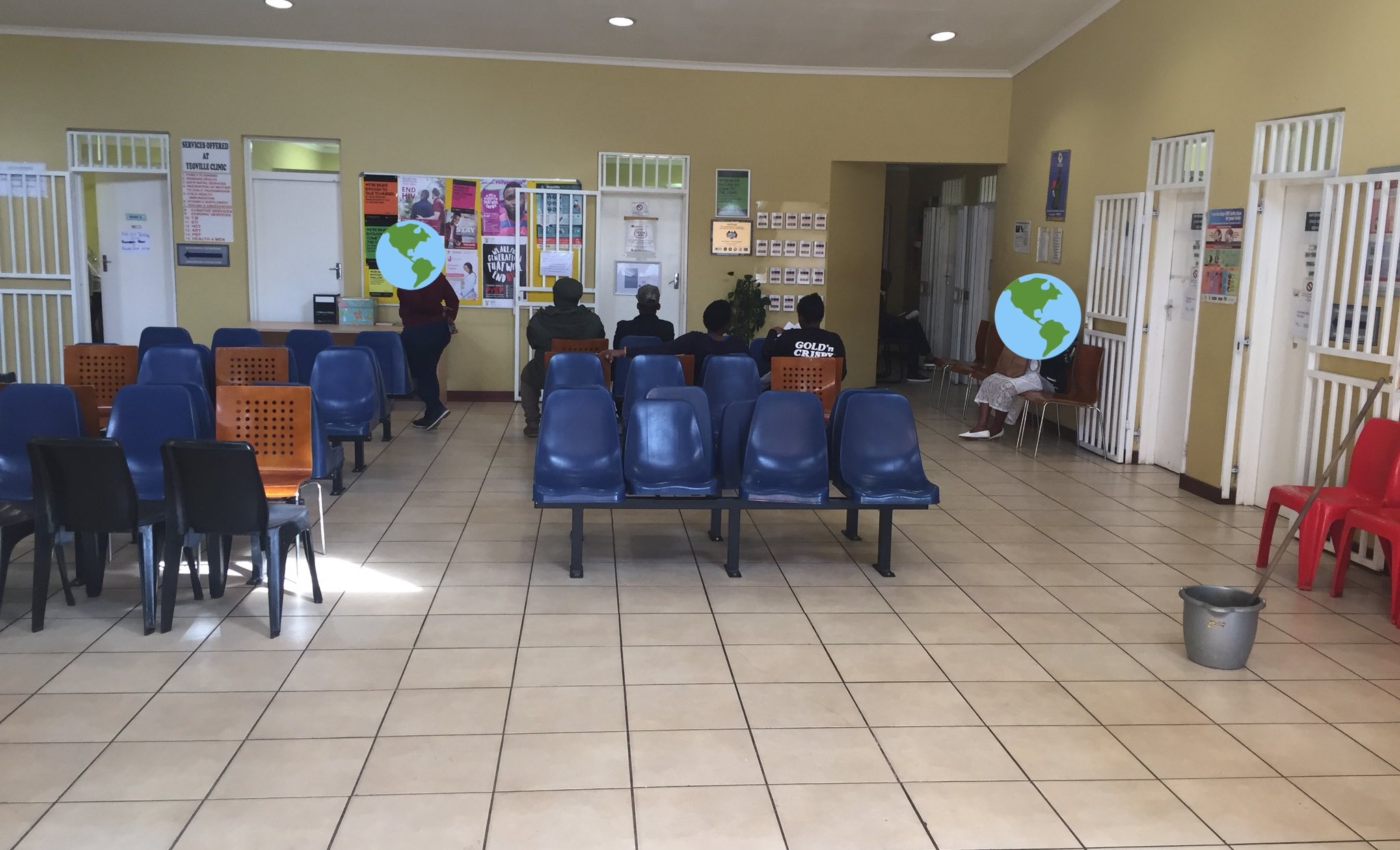
- The High Court has condemned xenophobia at public clinics as a grave threat to democracy and human rights.
- State authorities have been ordered to take immediate action to restore safe and lawful access to Yeoville and Rosettenville clinics.
- The ruling finds that vigilante blockades violated constitutional rights, and civil society groups have hailed the judgment as a landmark for equality in healthcare.
Johannesburg High Court Judge SDJ Wilson has described xenophobia as “one of the greatest threats to democracy and human rights we presently face”, warning that such conduct undermines the constitutional project itself.
The judge noted that xenophobia feeds on hatred of the other and misdirects attention away from poverty and inequality. “If we can blame foreigners, we need not look to ourselves for the solutions to the poverty and inequality that scar our society,” he said.
Judge Wilson was ruling after months of vigilante blockades at Yeoville and Rosettenville clinics, where patients without South African identity documents were unlawfully denied entry. Even citizens without documents on hand were turned away. Security guards and clinic staff did little to intervene, and in some cases vigilantes operated from inside the clinics themselves.
Patients turned away despite constitutional guarantees
The Treatment Action Campaign, Doctors Without Borders, and Kopanang Africa Against Xenophobia, represented by SECTION27, approached the court urgently after repeated reports of obstruction at public healthcare facilities across Gauteng. They documented a clear and escalating pattern of vigilante activity since September 2025, with patients consistently denied entry.
In the ruling on 4 December 2025, Judge Wilson found that the lack of action by the State violated constitutional rights. The judge held that the City of Johannesburg, the National Department of Health, the Gauteng Department of Health, and the South African Police Service had failed in their mandate.
“It stands to reason that the Minister of Health and his provincial counterpart have, at the very least, a duty to acquaint themselves with barriers of access to healthcare services and to take such reasonable and effective steps as are within their means to remove those barriers,” he said.
Court orders decisive measures
The court ordered the authorities to take all reasonable measures to ensure safe and unhindered access to the clinics. Respondents must confront and remove unauthorised persons obstructing entry, station adequate numbers of trained security personnel at all access points, and provide a detailed report within ten court days outlining compliance.
Notices must be displayed at clinic entrances stating: “No unauthorised person may obstruct or hinder physical access to this clinic or the provision of healthcare services within the clinic. Any person violating this instruction will be removed from the premises and its surroundings and reported to the police.”
Judge Wilson emphasised that the police cannot limit their role to passively receiving complaints. “The answer is plain enough: wrest control of the clinics from the hands of the vigilantes, or show that it is beyond the capacity of the police – assisted, where necessary, by the other state respondents, to do so,” he said.
Cooperative governance affirmed
Despite arguments to the contrary, the court confirmed that national and provincial authorities have an indisputable legal interest in matters affecting municipal-run clinics, including acts outside their gates. Judge Wilson held that Section 27 of the Constitution requires all spheres of government to ensure the realisation of the right to healthcare.
He premised his decision on cooperative governance, stating: “All spheres of government, be it national, provincial, municipal, and SAPS, are constitutionally and statutorily obliged to act, and must do so together.”
Quoting from Grootboom, Judge Wilson reminded the state: “Government must identify and remove barriers that prevent people from accessing their rights.” In this context, health authorities have a clear duty to confront and eliminate the actions of xenophobic vigilante groups who attempt to block entry to public health facilities.
Wider context of unlawful intimidation
This judgment follows the ruling by the same court in Operation Dudula in Kopanang Africa Against Xenophobia and Others v Operation Dudula and Others, which confirmed that acts of intimidation and harassment of migrant persons are unlawful.
While both cases deal with vigilante groups targeting people without South African identity documents, the present case sought relief against state authorities themselves for failing to protect the constitutional right to healthcare.
The organisations welcomed the ruling as an affirmation that healthcare facilities are not battlegrounds for discrimination but spaces where dignity, equality, and life itself must be protected. They pledged to continue monitoring implementation to ensure the state meets its obligations.
Judicial warning on State’s failure to act
Judge Wilson concluded with concern about the state’s failure to act. “The weakness of the state’s response to a direct and apparently well-organised attack on its efforts to secure basic healthcare for some of the most vulnerable people in our society is of grave concern,” he said.
“South African courts have a wide range of powers at their disposal to ensure that the Constitution is upheld. When it is appropriate to do so, courts may, and if need be must, use their wide powers to make orders that affect policy as well as legislation.”
Get your news on the go. Click here to follow the Conviction WhatsApp channel.
