


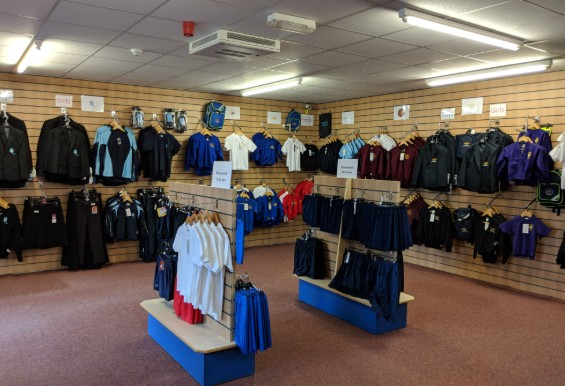
- The Competition Commission introduced school uniform procurement guidelines to curb exclusive supplier deals that inflated prices for parents.
- Schools and governing bodies are encouraged to use competitive bidding, appoint multiple suppliers, and favour generic uniform items.
- Ongoing monitoring, complaints, and a new data tool with the DBE aim to strengthen compliance and affordability nationwide.
For more than a decade, parents across South Africa have raised concerns about the rising cost of school uniforms and learning materials, often citing exclusive supply agreements that leave families with no choice but to purchase from a single, designated retailer.
According to the Competition Commission, complaints began surfacing as early as 2010, with schools entering into long-term exclusive agreements without transparent or competitive procurement processes. These arrangements, the Commission says, substantially lessened competition and pushed prices beyond the reach of many households.
The Commission has stated that these practices resulted in “parents being compelled to purchase school uniform and learning materials from exclusively selected suppliers, often at higher prices due to long-term exclusive agreements.” Procurement processes conducted without openness or competition “have the effect of preventing or lessening competition in the market.”
In 2017, the Commission launched a nationwide investigation into schools and uniform manufacturers or suppliers for potential abuse of dominance and restrictive vertical practices. Alongside the investigation, it undertook interventions to open up the market, increase supplier participation, and ensure that parents and learners were not compelled to purchase essentials from a single source. These efforts revealed a clear information gap, particularly among schools, SGBs, and parents, about what constitutes anti-competitive conduct and how competition can ease financial pressure.
What the guidelines seek to achieve
Against this backdrop, the Commission published its guidelines for school uniform and learning materials procurement in 2021. The primary objective was educational: to help schools, parents, and SGBs understand how competition benefits consumers, how procurement processes can be structured to encourage multiple suppliers, and how informed participation by parents can influence pricing outcomes.
The guidelines also encourage SGBs to adopt procurement policies that prioritise openness and fairness, with the broader aim of lowering prices through competition rather than regulation. The Commission’s position is that when markets are competitive, suppliers innovate, prices stabilise, and families gain meaningful choice.
The undertaking schools are asked to sign
Central to the guidelines is a voluntary but strongly encouraged pledge known as the “Undertaking to Comply with Competition Principles in School Uniform Procurement.” By signing it, schools and SGBs commit to concrete measures, including competitive bidding when selecting suppliers, appointing more than one supplier, limiting exclusive arrangements, and capping contract durations at no more than five years.
The Commission describes the undertaking as “a practical tool to monitor compliance by schools and to ensure adherence to the principles set out in the guidelines.” It represents “a public commitment by schools to promote competition and ensure that school uniform prices remain reasonable and affordable for parents and guardians.”
The undertaking also addresses affordability directly. Schools are encouraged to strike a reasonable balance between generic and branded items, favouring generic uniforms that can be purchased from multiple retailers. The Commission views the undertaking as both a monitoring mechanism and a clear signal of a school’s commitment to pro-competitive procurement.
Has anything changed since 2021?
The Commission says the guidelines have had a measurable impact on awareness and behaviour. A 2022 survey found that nearly 90 percent of participating public and independent schools were aware of the guidelines. The Commission noted that the guidelines have “played an important role in raising awareness of anti-competitive conduct and its impact on the prices of school uniforms and learning materials.”
The Commission stated: “Many schools have adopted the guidelines and adjusted procurement practices accordingly. However, challenges remain. Some schools have not implemented the guidelines, citing their voluntary nature, limited awareness, weak stakeholder enforcement, and a lack of dedicated personnel for compliance.”
The increased visibility of the guidelines has empowered parents. The Commission observed that “the guidelines have resulted in some parents and guardians lodging complaints and bringing non-compliance to the Commission’s attention,” enabling direct intervention where necessary. In this way, the guidelines have become both an educational resource and a catalyst for accountability.
No price control, but firm enforcement
The Commission is clear that it does not regulate prices. As it has repeatedly stated, “the Commission’s mandate is to promote competitive markets, not to regulate prices.” Its position is that competition, rather than direct price control, enables entry, innovation, consumer choice, and ultimately lower prices.
While no school has been prosecuted specifically for non-compliance with the guidelines, the Commission did reach settlements with several schools and major uniform suppliers following its 2017 investigation. It has also cautioned that “it is not in the best interests of schools to be subjected to lengthy and costly litigation processes,” adding that schools have been given sufficient time to implement corrective measures.
Enforcement remains active. Between 2020 and 2025, the Commission received 490 complaints related to school uniforms and learning materials and resolved 465 of them, underscoring its continued focus on this sector.
Working with the Department of Basic Education
Monitoring compliance across thousands of schools remains a significant challenge. To address this, the Commission continues to collaborate with the Department of Basic Education, whose provincial offices play a key role in distributing information and raising awareness among schools and SGBs.
The two institutions are now developing a data-driven monitoring tool that will collect information directly from schools on suppliers and pricing. Once rolled out, the tool is expected to help identify exclusive agreements, excessive pricing, and barriers faced by small and medium suppliers. The Commission anticipates that the tool will be operational in all schools before the end of 2026.
What parents, schools, and SGBs can do now
The Commission urges parents and guardians to shop around, compare prices, and actively assert their right to choose. They are also encouraged to engage schools and SGBs in implementing the guidelines and signing the voluntary undertaking. Where exclusive agreements persist, complaints can be lodged directly with the Commission.
“Schools are encouraged to keep uniforms as generic as possible, appoint multiple suppliers, and limit exclusive items to essential, reusable components. SGBs play a critical oversight role by ensuring compliance, promoting transparency, and reporting persistent breaches. Compliance and vigilance, across all stakeholders, remain the most effective tools for lowering costs and protecting families,” the Commission added.
Get your news on the go. Click here to follow the Conviction WhatsApp channel.
