


- If your solar system is not registered or compliant, you could face penalties, risk having your system disconnected and run into issues with your insurance.
- If you live in a sectional title scheme, you may need approval from the body corporate before you can legally install solar panels.
- A solar system that is fully registered and compliant can increase your property’s value. If it is not, it could delay or even prevent a sale.
South Africa’s rooftop solar boom has helped thousands of households rely less on the unstable national grid. But property expert Paul Stevens warns that many homeowners could be heading into a "solar debt trap" if they don’t keep up with new regulatory and insurance requirements.
Stevens, CEO of Just Property, says many homeowners see solar power as a one-time fix for load shedding, not realising there are ongoing legal, financial and compliance responsibilities that come with owning a solar system.
Stevens says the number of non-compliant installations is rising, and municipal rules and insurance requirements are getting stricter. If homeowners don’t make sure their systems are compliant, solar can quickly become a liability instead of an asset.
With tougher enforcement from municipalities and Eskom, homeowners with unregistered systems could face penalties between R6 000 and R30 000 after the new registration deadline of 30 September 2026.
“We’re seeing a worrying trend where homeowners treat solar as a ‘set and forget’ solution to load shedding,” Stevens said. “But in reality, an uncertified or unregistered system isn’t an asset – it’s a legal and financial liability that could stop a property sale or leave a family without cover if disaster strikes.”
Insurance risks and the end of DIY solar
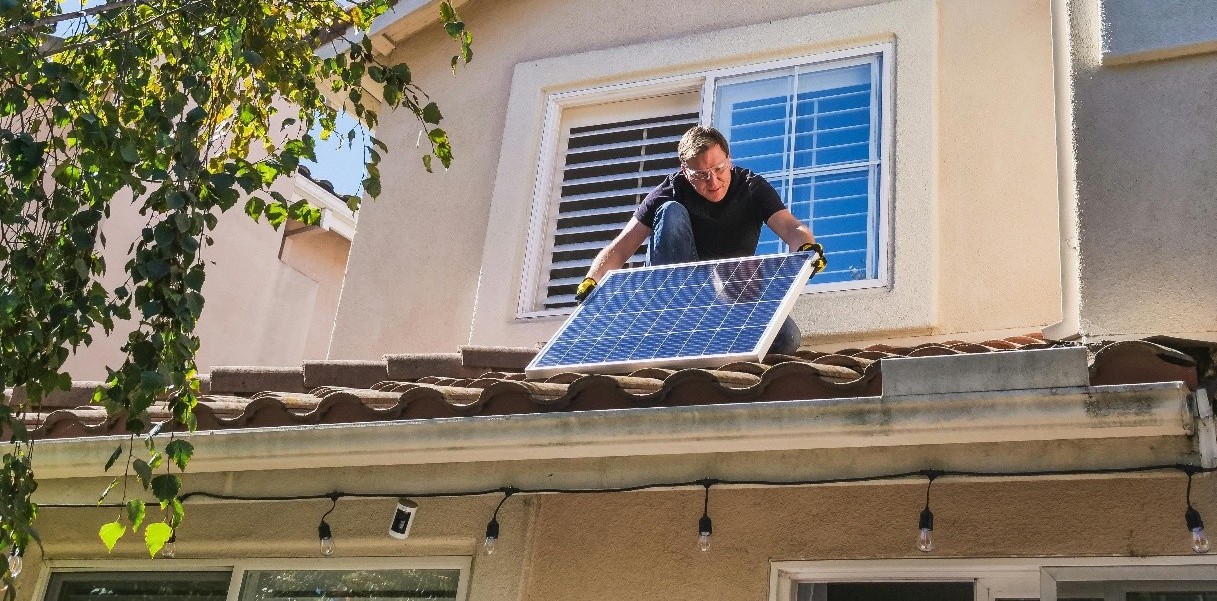
One of the biggest risks for homeowners is that insurance claims might be rejected if the solar system wasn’t professionally installed or properly certified.
Stevens says many homeowners assume their solar panels are automatically covered by their building insurance once installed. But insurers are now asking for proof that systems were installed to approved standards before they’ll pay out for fire, weather damage or theft.
“From an insurance point of view, the days of ‘DIY’ solar are basically over,” Stevens said. “If you don’t have a valid Certificate of Compliance or an ‘as built’ report like the PV GreenCard, your insurer could void your whole building policy.”
He warned that some homeowners have faced serious problems after even minor electrical incidents, because insurers found the home’s electrical system was non-compliant due to unregistered solar equipment.
“We’ve seen cases where small electrical fires, even if not caused by the solar system, turned into nightmares because the home’s electrical grid was non-compliant due to unregistered inverters.”
Complex and estate residents face extra hurdles
Stevens also pointed out extra risks for people living in sectional title schemes and residential estates. He said many people wrongly think they can install solar panels on the roofs above their units. In most sectional title developments, the roof is part of the common property and can’t be changed without following the legal steps set out by the Sectional Titles Schemes Management Act.
Homeowners usually need either a special resolution supported by at least 75% of owners, or for the roof area to be marked as an Exclusive Use Area, before they can go ahead with installation. “Owners usually need 75% approval for a Special Resolution or must have the roof space marked as an Exclusive Use Area (EUA) before they can legally install solar panels.”
He warned that bodies corporate can make owners remove unauthorised solar installations at their own cost. “Without one of these, the body corporate can force you to remove the unapproved panels at your own cost, which could be R100,000 or more.”
Registration deadline is coming up
Stevens says the 30 September 2026 solar registration deadline is fast approaching for homeowners who haven’t yet registered their systems. He says current registration fee waivers mean homeowners can save money if they register before the deadline. “The current waiver on registration fees can help you save a lot if you act before 30 September 2026.
“After that, the ‘solar fine’ will be the least of your worries compared to backdated fees and the risk of being disconnected. Taking advantage of this amnesty is the smartest move you can make right now.”
Although Eskom has eased up on fines, Stevens says municipalities could still charge R6 000 in admin fees plus extra penalties for unregistered systems. If you register before the deadline, you might avoid having to pay for smart meter installation and connection fees, which can be more than R9 000.
Cheap equipment can become an expensive mistake
Another big concern is installations done by unqualified contractors using equipment that doesn’t meet the required technical standards.
Stevens warns homeowners to watch out for installers who don’t provide proper DC circuit protection, use the wrong cabling or install equipment not on municipal-approved lists, or that doesn’t comply with SANS 10142-1 wiring standards.
“A cheap inverter is a triple threat: it’s a fire risk, it can’t be insured, and it can’t be legally registered. If your system doesn’t meet the specs, you’re basically throwing money away, because you’ll have to replace it to be legally compliant.”
New charges are changing the solar business case
Stevens says many municipalities are bringing in new tariffs that could seriously affect the money homeowners expect to save with solar systems.
With these new tariffs, you could face fixed daily or network charges even if you don’t use any electricity from the grid.
To offset these costs, you usually need a registered Small Scale Embedded Generation system so you can feed excess electricity into the grid and get credits. “The financial model for solar has changed,” Stevens said. “It’s not just about how much you save, but also about how much you’re being charged just to stay connected.
“If your system isn’t set up to reduce these fixed daily charges, your ‘investment’ could take 15 years to pay off instead of seven.”
Compliance is now key to property value
While solar installations can boost a home’s value, Stevens says buyers are now only willing to pay a premium if the system is fully compliant and registered as a Small Scale Embedded Generation installation.
He says a compliant solar system can add three to four percent to your property’s value. “In today’s market, savvy buyers are asking for the SSEG registration papers before they even make an offer. Compliance is now the only way to make sure your ‘green’ investment actually pays off when you sell.”
Stevens urges homeowners to use the current registration grace period and to get advice from estate agents about how solar installations affect their resale value.
He also suggests keeping all your solar documents together in a dedicated file. “If you’re planning to sell, keep all these documents in a single ‘Green File’,” he said. “Showing it to a buyer upfront can help you get a higher price and avoid delays in the transfer process.”
Get your news on the go. Click here to follow the Conviction WhatsApp channel.