


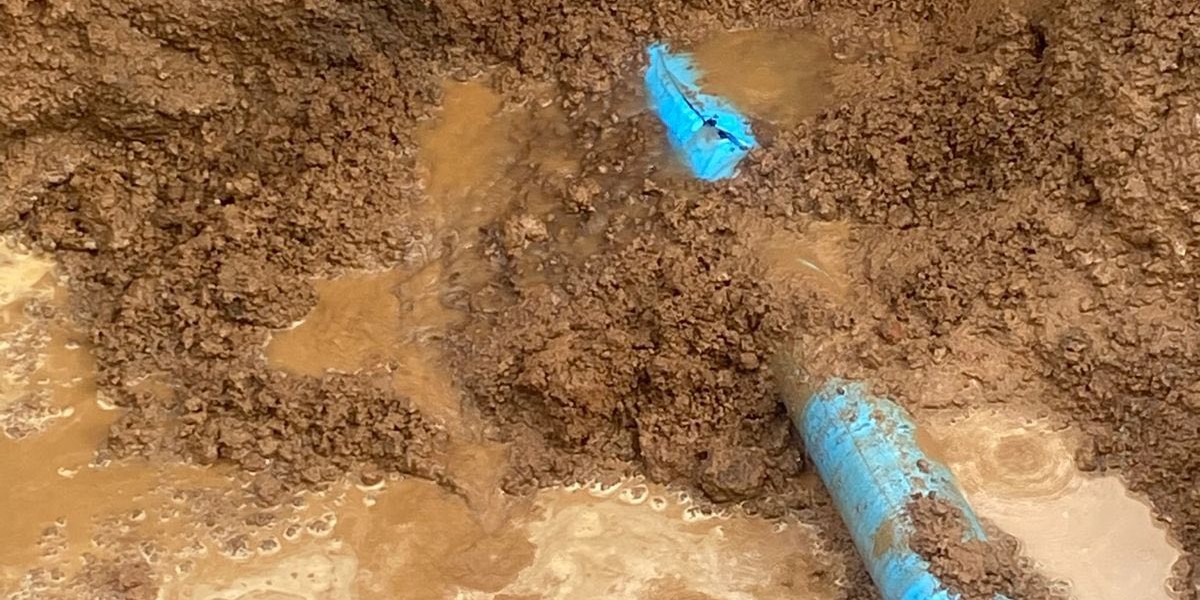
- Planned maintenance helps prevent costly infrastructure failures and strengthens long-term water security.
- Communication and public engagement played a central role in preparing communities for temporary disruptions.
- The programme provides a model for how large-scale infrastructure projects can be managed transparently and effectively.
For many Gauteng residents, the words “water interruption” immediately trigger frustration, anxiety and memories of past service delivery failures.
Yet there is an important distinction between unexpected system failures and carefully planned maintenance. One signals neglect while the other demonstrates a commitment to protecting the infrastructure upon which millions depend.
This distinction is particularly relevant as Gauteng navigates the critical planned maintenance scheduled from 29 May to 2 June, as well as on 17 July from 7am to 7pm, by Eskom and Rand Water.
The maintenance involves critical work on pumping systems, electrical infrastructure and operational components that are essential for ensuring the long-term reliability and resilience of the region’s bulk water supply network. While temporary disruptions are unavoidable, the alternative of postponing maintenance until failures occur is far more costly, disruptive and damaging.
Preparation before the work begins
What deserves particular recognition is not only the maintenance itself, which occurred between 7am on 29 May to 7pm on 2 June, but the extraordinary level of preparation that preceded it.
Large-scale infrastructure interventions of this nature cannot simply begin on the day technicians arrive on site. They require months of planning, extensive coordination between institutions and meticulous risk management.
In this case, Rand Water, Gauteng municipalities and numerous stakeholders worked together to prepare both the system and the public for the temporary disruptions that would accompany the maintenance programme.
Perhaps the most impressive aspect of the initiative has been the communication campaign that accompanied the technical preparations from all involved. Well before the first valve was closed or the pump switched off, residents were informed through multiple communication channels.
Rand Water, municipalities/water entities, councillors, civil society organisations and media platforms repeatedly shared maintenance schedules, affected areas, anticipated timelines and water conservation guidance. Information was updated regularly and consistently communicated, ensuring that residents had sufficient time to prepare.
Importantly, this was not communication for the sake of compliance. It was communication designed to build understanding. Residents were informed not only about when interruptions would occur, but also why the maintenance was necessary, what outcomes were expected and how system recovery would unfold once work had been completed.
Consequently, transforming affected communities from passive recipients of information into informed participants in the process.
Building confidence through transparency
Contingency measures were determined, implemented and adjusted where necessary to mitigate impacts on communities, including careful management of reservoir levels, deployment of water tankers where necessary and ongoing coordination between operational teams.
The aim was clear – to minimise disruption while undertaking work that would strengthen the long-term reliability of the water supply system.
The outcome has been a maintenance programme that, while not entirely free from challenges, has largely unfolded in a structured and controlled manner. Progress updates have been communicated regularly, restoration processes have been monitored closely, and institutions have remained visible and responsive throughout the exercise.
This stands in sharp contrast to the uncertainty and confusion that often characterise unplanned infrastructure failures. Preventative maintenance remains one of the most important investments any infrastructure institution can make, particularly in a country facing ageing infrastructure, growing demand, financial constraints and increasing climate variability.
There is an important lesson here for the broader public sector. Too often, South Africans are exposed to infrastructure failures, emergency repairs and reactive management, contributing to declining public confidence in institutions. Trust is not built during crises but rather through preparation, transparency and consistent successful delivery.
The current Rand Water maintenance programme demonstrates that even large-scale, potentially disruptive interventions can be managed successfully when institutions plan proactively, communicate openly and work collaboratively.
The recent maintenance programme also showcases the commitment of the engineers, technicians, planners, operators, municipal officials and communication teams, as well as the role of civil society who have worked behind the scenes to ensure its success.
Their efforts reinforce an important reality: resilient infrastructure depends not only on physical assets, but also on institutional capacity, professional expertise, intergovernmental cooperation and the ongoing partnership with civil society organisations.
The true significance of the current maintenance programme may therefore lie in the precedent it establishes. It demonstrates that large-scale infrastructure interventions do not have to be accompanied by confusion, uncertainty or public distrust.
When planned thoroughly, communicated transparently and implemented professionally, they can become opportunities to showcase competence, accountability and collaboration.
In doing so, Rand Water and its municipal partners have set a higher standard — one that should become the benchmark for future infrastructure projects within the province and across South Africa.
Trust is not rebuilt through empty promises; it is rebuilt through visible action, consistent performance and honest engagement. The current maintenance programme has provided a compelling example of all three.
Get your news on the go. Click here to follow the Conviction WhatsApp channel.
