

Skip to content
Close Menu
ConvictionConviction
  • Home
  • Law & Justice
  • Special Reports
  • Opinion
  • Ask The Expert
  • Get In Touch

Subscribe to Updates

Get the latest creative news from FooBar about art, design and business.

What's Hot

Farmers allowed to vaccinate livestock against foot and mouth disease

October 22, 2026

Bronkhorstspruit’s water crisis: How pollution, missing chlorine and silence left hundreds sick

October 21, 2026

Ramaphosa and predecessors failed to decide prisoners’ pardon application for 24 years

October 21, 2026
Facebook X (Twitter) Instagram
Trending
  • Farmers allowed to vaccinate livestock against foot and mouth disease
  • Bronkhorstspruit’s water crisis: How pollution, missing chlorine and silence left hundreds sick
  • Ramaphosa and predecessors failed to decide prisoners’ pardon application for 24 years
  • Judge rejects bid to move three elephants from Johannesburg Zoo to a sanctuary
  • Attorney is not a fraudster or thief, judge says, despite LPC seeking to strike him off
  • The R400,000 award for ‘white trash’ and ‘dumb people’ insults that cost a woman her home
  • Social workers unlawfully interfered in adoptions to favour biological families
  • Cape Town parking operator told to leave premises after millions in unpaid rent
Facebook X (Twitter) Instagram
ConvictionConviction
Sonneblom
  • Home
  • Law & Justice
  • Special Reports
  • Opinion
  • Ask The Expert
  • Get In Touch
ConvictionConviction
Home » Bronkhorstspruit water crisis
Opinion

Bronkhorstspruit’s water crisis: How pollution, missing chlorine and silence left hundreds sick

Prof Anja du Plessis examines how failures in water treatment, sewage management and public warnings exposed hundreds of Bronkhorstspruit residents to contaminated water.
Professor Anja Du PlessisBy Professor Anja Du PlessisOctober 21, 2026No Comments
Facebook Twitter Pinterest LinkedIn WhatsApp Reddit Tumblr Email
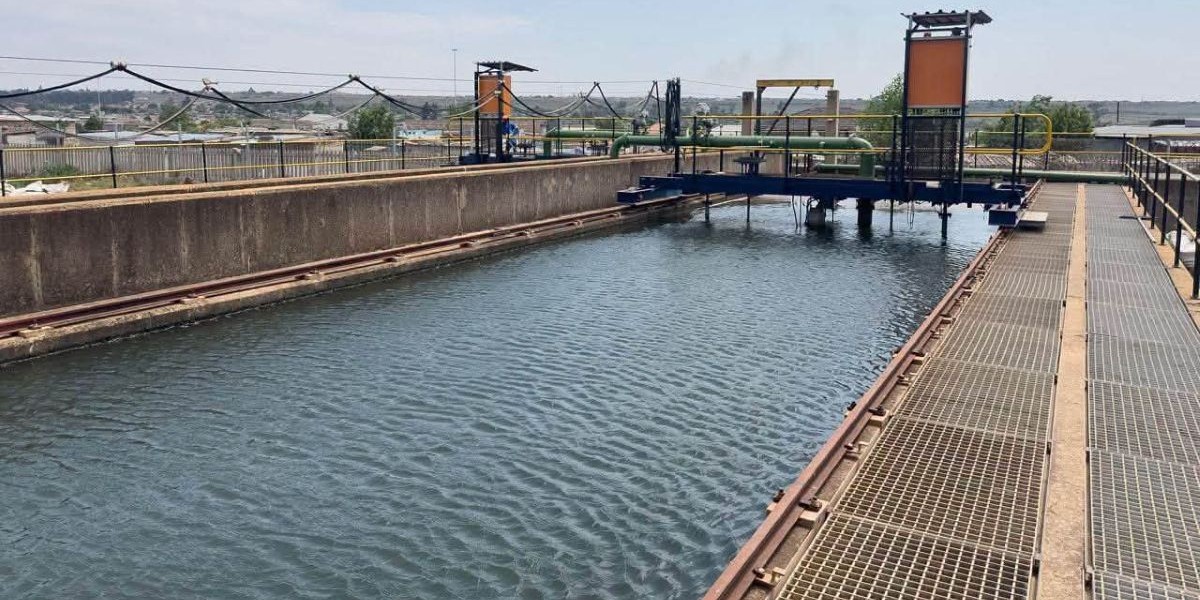
Bronkhorstspruit water treatment plant at the centre of the water contamination crisis.
Bronkhorstspruit’s water treatment plant, where chlorine supply and equipment failures contributed to a water contamination crisis that left hundreds of residents ill. Picture: Facebook
Share
Facebook Twitter LinkedIn Pinterest Email
  • More than 400 people fell ill after Bronkhorstspruit’s water treatment plant went without chlorine for three weeks, with most patients being children under four.
  • Sewage pollution, malfunctioning treatment equipment and the failure to warn residents exposed serious weaknesses in water safety and municipal accountability.
  • Independent testing, urgent repairs and disciplinary action are needed to restore safe drinking water and establish who was responsible for the crisis.

For three weeks, the taps in Bronkhorstspruit ran unchlorinated, and the people drinking from them were never warned. By mid-October, 408 people, most of them children under four, had fallen ill, with 72 new patients arriving on 13 October alone and overwhelming local clinics and the hospital.

Tests found extremely high levels of E. coli in the plant’s water, and the National Institute for Communicable Diseases stool tests found norovirus, Campylobacter and Shigella but no cholera, pointing to a common water source.

Chlorine, the last barrier between a polluted river and a glass of water, was missing from 24 September to 14 October, after the City of Tshwane ran into difficulties with its chlorine supplier. It was one of three failures: a polluted source, a missing safeguard and official silence. Any one might have been survivable. Together, they made hundreds sick.

A polluted river, and a system that looks fine on paper

The plant draws its raw water from the Bronkhorstspruit River, which is badly contaminated by sewage from dysfunctional wastewater works upstream and from failing Tshwane pump stations. None of this is new, and inside the plant, pumps, sand filters and other equipment were not working either.

The latest Green Drop report found 47% of audited wastewater systems nationally in a critical state, and a failing plant that discharges into a river becomes the drinking-water problem of the next town downstream. Drinking-water safety begins with sewage treatment.

The latest Blue Drop progress assessment, covering 2023/24, rates about 62% of drinking-water systems low risk and 7.9% critical, with the major metros generally performing well. Most South Africans in big cities can therefore trust their taps, but not all.

The failure to warn, and a trust already broken

The most troubling failure was the least technical: nobody told residents. The Department of Water and Sanitation indicated that the City did not warn them, as the 2025 Compulsory Standards for Water Services require. For weeks, families kept drinking, cooking with and bathing in unsafe water. A timely warning can be the difference between a precaution and an emergency.

The silence also lands on damaged ground. Tshwane has been here before. In 2019, officials cancelled a chlorine contract with no contingency plan, and untreated water was released into the Apies River from the Rooiwal wastewater works, affecting Hammanskraal’s water supply.

Each time, the lesson was declared learned, and each repeat deepens public distrust. When ratings call a system low risk, yet taps fail, and warnings come late or not at all, residents stop believing official assurances.

What must happen now, and who answers for it

Safe water must reach every affected household first. Chlorine was restored on 15 October, and the plant reopened on 16 October, yet residents were told the water is still not fit to drink, and officials cannot say when it will be. The City has raised its tanker fleet to 36, supplied from Cullinan, which tested safe, and the Water Research Commission is testing independently and investigating the causes.

Rand Water, Africa’s largest water utility, is being appointed as implementing agent, bringing a wealth of experience and knowledge. Working with the Department of Water and Sanitation’s engineers, it is developing a plan to repair the plant, including whether it should be isolated for further work.

The plant should supply residents again only when independent tests show the water is free of harmful bacteria, reservoirs and pipes have been flushed and disinfected, chlorine levels are verified across the network and not just at the plant, and health authorities sign off. Until then, residents must not drink the tap water, even boiled, or use it for cooking, washing food, brushing teeth or bathing. It is fit only for flushing toilets, and anyone with symptoms should seek medical attention early.

Accountability must follow. Mayor Nasiphi Moya has publicly accepted responsibility for what she called negligence, an admission few mayors would make, and says disciplinary proceedings have begun. National government has also started regulatory steps against those responsible for the pollution and for breaching water service standards. These are a start, not an answer.

The Water Research Commission’s independent report on the causes, due by 28 October, must establish exactly where the failures occurred, from procurement and monitoring at the plant to the silence that kept residents in the dark, and those responsible must face consequences.

Bronkhorstspruit was not a freak event. It was the predictable result of a polluted river, a missing safeguard and a failure to tell people the truth.

Conviction.co.za

Get your news on the go. Click here to follow the Conviction WhatsApp channel.

The opinions expressed in this article are solely those of the author and do not necessarily reflect the views of Conviction.co.za

Bronkhorstspruit water crisis municipal accountability sewage pollution water management Water quality
Share. Facebook Twitter Pinterest LinkedIn Tumblr Telegram Email
Professor Anja Du Plessis

Water management expert and associate professor at the University of South Africa (Unisa).

Related Posts

Black Wednesday: 50 years of trying to bury a spirit that refuses to die

October 19, 2026

Court is not an ice cream shop: Inside Pretoria taxi violence trial that freed Lungelo Nkosi

October 18, 2026

SAHRC vs Lagardien: The sign came down, but the principle stays up

October 15, 2026
Leave A Reply Cancel Reply

Prove your humanity: 10   +   8   =  

Subscribe to our newsletter:
Top Posts

Your driving licence at the gate: What estates can actually legally scan

Sponsor: My Estate LifeSeptember 6, 2026

Making sectional title rules that work: A practical guide

January 17, 2025

Protection order among the consequences of trespassing in an ‘Exclusive Use Area’

December 31, 2024

Between a rock and a foul-smelling place

November 27, 2024
Don't Miss
Administrative Law
3 Mins Read

Farmers allowed to vaccinate livestock against foot and mouth disease

By Kennedy MudzuliOctober 22, 20263 Mins Read

Authorised livestock owners may vaccinate their animals against foot-and-mouth disease under a court-approved settlement setting out requirements for approval, vaccination and reporting.

Bronkhorstspruit’s water crisis: How pollution, missing chlorine and silence left hundreds sick

October 21, 2026

Ramaphosa and predecessors failed to decide prisoners’ pardon application for 24 years

October 21, 2026

Judge rejects bid to move three elephants from Johannesburg Zoo to a sanctuary

October 21, 2026
Stay In Touch
  • Facebook
  • Twitter
  • WhatsApp
Demo
About Us
About Us

Helping South Africans to navigate the legal landscape; providing accessible legal information; and giving a voice to those seeking justice.

Facebook X (Twitter) YouTube WhatsApp Twitch RSS
Latest posts

Your driving licence at the gate: What estates can actually legally scan

Sponsor: My Estate LifeSeptember 6, 2026

Making sectional title rules that work: A practical guide

January 17, 2025

Protection order among the consequences of trespassing in an ‘Exclusive Use Area’

December 31, 2024
OUR PICKS

LPC warns against unregulated legal services, clarifies legal consultant ruling

October 17, 2026

The R400,000 award for ‘white trash’ and ‘dumb people’ insults that cost a woman her home

October 21, 2026

FNB customer demands R15,100 refund after fraudsters drain account using stolen phone

October 17, 2026
© 2026 Conviction.
  • Home
  • Buy Now
  • Law & Justice

Type above and press Enter to search. Press Esc to cancel.

Powered by
Necessary cookies enable essential site features like secure log-ins and consent preference adjustments. They do not store personal data.
None
Functional cookies support features like content sharing on social media, collecting feedback, and enabling third-party tools.
None
Analytical cookies track visitor interactions, providing insights on metrics like visitor count, bounce rate, and traffic sources.
None
Advertisement cookies deliver personalized ads based on your previous visits and analyze the effectiveness of ad campaigns.
None
Unclassified cookies are cookies that we are in the process of classifying, together with the providers of individual cookies.
None
Powered by