


- A nine-year-old boy suffered severe burns when he stepped on a live electrical cable on Rorichshoop farm.
- The boy’s family said the damaged power line had stayed exposed for about a year and a few months, during which residents steered clear of the area.
- The appeal focused on Eskom’s legal duty under the Electricity Regulation Act after the utility failed to provide evidence to counter the statutory presumption of negligence.
A nine-year-old boy suffered severe burns after stepping on a live electrical cable near Koffiefontein, placing Eskom’s legal duty to keep dangerous powerlines safe before the High Court in Bloemfontein.
The High Court in Bloemfontein heard the appeal brought by the boy’s mother after her damages claim against Eskom was dismissed by the trial court. The case was never about whether the boy was electrocuted, as both parties accepted that.
The burning question was whether the exposed power line was Eskom’s responsibility, and if the utility had fulfilled its duty under the Electricity Regulation Act. Judge JJ Mhlambi delivered the judgment, with Judge JP Daffue and Judge C Reinders agreeing.
The accident that changed a child’s life
The incident took place on 9 February 2020 on Rorichshoop farm, across from the Donkershoek settlement in the Letsemeng municipal area. The boy was looking for his sister, who was playing with other children on the nearby farmland, when he walked under low-hanging power lines.
As he crossed the field, he stepped on a live electrical cable lying on the ground. The electric current burned both his feet and one of his arms.
The boy’s grandmother told the court the exposed cable had been a familiar danger to people who regularly collected firewood in the area. She said the damaged line had stayed on the ground for about a year and a few months, while other conductors hung unusually low above the farmland. According to her, people made a point of staying away from the wires because they knew how dangerous they were.
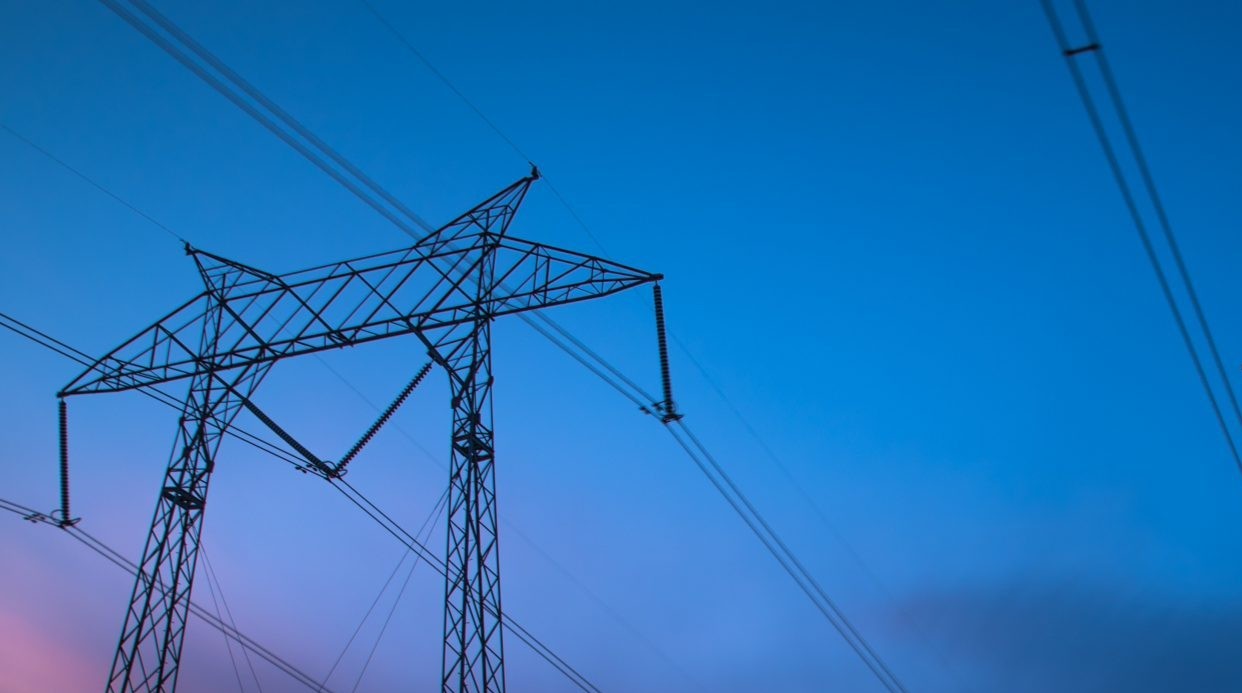
Photographs shown at the trial revealed three low-hanging power lines crossing the area where the boy was hurt.
Eskom joined the municipality
The boy’s mother filed a damages claim against Eskom on his behalf. Eskom then brought in Letsemeng Local Municipality as a third party, saying the municipality owned the farm where the incident happened and was responsible for the power lines there.
Before the trial moved forward, the parties agreed to separate the issues of liability and damages. The court dealt only with the question of who was legally responsible for the boy’s injuries, while the decision on compensation was postponed.
On 5 September 2024, the trial court ruled in favour of Eskom and dismissed the mother’s claim. She then successfully petitioned the Supreme Court of Appeal, which granted her permission to appeal on 14 March 2025.
Eskom’s own case became central
A key feature of the appeal was the evidence presented during the trial. While questioning witnesses, Eskom’s lawyer repeatedly identified the infrastructure as Eskom’s power line and told the court that an Eskom employee, Mr Welthagen, would testify about photographs taken four days after the accident.
But the promised witness was never called. Judge Mhlambi noted that the photographs were used during cross-examination and that Eskom’s lawyer never withdrew the statement identifying the line as Eskom’s. The court said this became an important part of the evidence because Eskom ended its case without calling any witnesses.
The law protects people injured by electricity
The appeal turned on section 25 of the Electricity Regulation Act. This law creates a presumption that if someone is injured by electricity generated, transmitted or distributed by a licensed provider, it is assumed to be the provider’s negligence, unless there is credible evidence to prove otherwise.
The trial court found the boy first needed to prove that Eskom owned or controlled the electrical infrastructure before the presumption of negligence could apply. But the Full Court rejected that view.
Judge Mhlambi wrote, “The fact that the Eskom line runs over property of the municipality is neither here nor there… Ownership of the farm is irrelevant. Eskom powerlines have been erected all over South Africa and cross numerous farms belonging to private persons, government and other state-owned entities.”
The court said the law was specifically designed to protect people injured by electricity infrastructure, and that the burden shifted to the licensed provider to produce credible evidence to rebut negligence.
In one of the judgment’s central findings, Judge Mhlambi said, “The court a quo misdirected itself in determining the matter without hearing credible evidence to rebut the statutory presumption.
“Based on the express statement by defendant’s counsel, supported by direct and circumstantial evidence, the most plausible inference to be drawn from the accepted facts is that the defendant was the applicable licensee.”
Full Court overturns the earlier ruling
The court found that Eskom failed to provide the evidence required by law after identifying the power line as its own and choosing not to call witnesses.
The court set aside the trial court’s decision and replaced it with an order holding Eskom liable for all of the boy’s proven or agreed damages. The case will now move to assessing compensation.
Get your news on the go. Click here to follow the Conviction WhatsApp channel.
