


- The shopper said a loose laminated notice caused his fall while he was carrying two paint containers.
- Judge Allen found there was no proof that Makro created or failed to remove a dangerous condition.
- The court decided it was more likely the shopper missed the angled kerb and dismissed his claim.
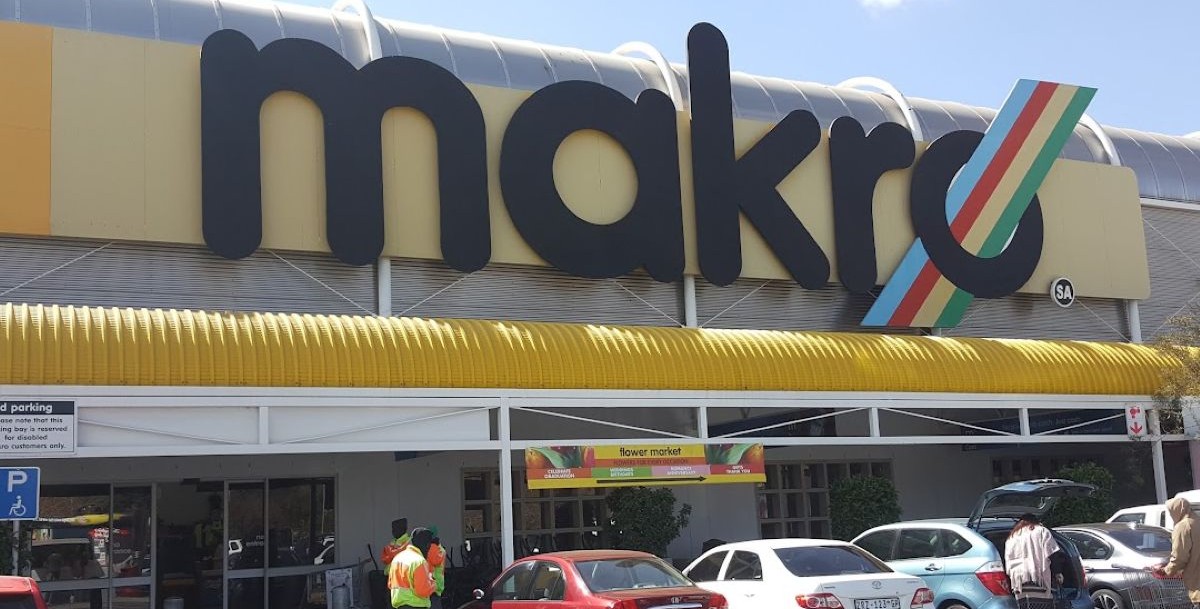
A shopper who tried to claim more than R1 million in damages from Makro could not convince the High Court in Johannesburg that the retailer was responsible for his fall outside the Alberton store during Covid 19 restrictions.
Judge Allen rejected Johannes Martin Ehrke’s damages claim after finding the evidence did not show a loose laminated notice caused the accident. The court found it was more likely Ehrke missed the angled kerb while walking with two five-litre paint containers, talking to his wife and not looking down.
Claim centred on loose laminated notices
Ehrke and his wife went to Makro Alberton on 19 December 2020 to buy paint while the store had strict Covid-19 crowd control measures in place. After buying their paint, Ehrke carried a five-litre paint container in each hand as they walked to their car.
He said an A4 laminated notice had blown loose from red-and-white hazard tape that was used to manage customer queues. Ehrke claimed he stepped onto the laminated sheet near a gentle slope between bollards, which made him slip and suffer a fractured right hip and other injuries.
He wanted R1 011 426.06 in damages, saying Makro had been negligent because it did not inspect the area, remove dangerous objects, monitor the premises or stop laminated notices from becoming a slipping hazard.
The court examined whether a hazard existed
The court was not deciding whether Ehrke had fallen, but whether he proved a hazardous laminated paper was on the ground where he fell and that Makro knew about it or should have known.
Ehrke described laminated paper as “super slippery” but admitted under cross-examination that he was not an expert. He did not bring any expert evidence to show that laminated paper on concrete or tar would create a dangerous surface.
His own evidence also showed that just before he fell, he was looking at his wife and not at the ground. He admitted he had not seen the sheet before stepping on it.
His wife could not help with the main issue. She said she saw her husband fall but did not see what caused it because she was not looking down.
Missed step became the more probable explanation
Judge Allen found Ehrke did not establish the facts needed for delictual liability. The judgment said the evidence did not show that laminated notices had created or been left as a hazard where the accident happened.
The idea that strong winds detached the notices was undermined by photos of the scene and by contradictions about the weather and the state of the barrier tape.
The court also noted that Makro’s evidence about its Covid-19 safety measures, including barricading, staff supervision and constant monitoring of the entrance, was supported by some of Ehrke’s own evidence.
Most importantly, Ehrke’s version showed he was carrying paint in both hands, talking to and looking at his wife as he neared the angled kerb. Evidence given soon after the incident that he had “missed a step” matched the overall probabilities.
Judge Allen decided it was more likely Ehrke missed the kerb than slipped on laminated paper. Because he did not prove the hazard existed, or that Makro knew about it, or that the company breached its duty of care, the damages claim was dismissed with costs.
Get your news on the go. Click here to follow the Conviction WhatsApp channel.
