

Skip to content
Close Menu
ConvictionConviction
  • Home
  • Law & Justice
  • Special Reports
  • Opinion
  • Ask The Expert
  • Get In Touch

Subscribe to Updates

Get the latest creative news from FooBar about art, design and business.

What's Hot

Mugg & Bean franchise fired waitress, then used alleged racist remark to justify it

September 11, 2026

Eviction law does not protect temporary homeless shelters from court-ordered eviction

September 11, 2026

Heritage without human rights is an empty celebration in democratic South Africa

September 10, 2026
Facebook X (Twitter) Instagram
Trending
  • Mugg & Bean franchise fired waitress, then used alleged racist remark to justify it
  • Eviction law does not protect temporary homeless shelters from court-ordered eviction
  • Heritage without human rights is an empty celebration in democratic South Africa
  • Property practitioners trapped by BEE rule that left the industry in confusion
  • Father who ignored maintenance orders faces jail if he fails to pay within 14 days
  • State loses bid to seize Ford Ranger allegedly used to transport 111kg cannabis
  • Stop running to court to avoid disciplinary hearings, Labour Court tells litigants
  • No death or funeral benefits if the deceased had resigned and taken a payout
Facebook X (Twitter) Instagram
ConvictionConviction
Sonneblom
  • Home
  • Law & Justice
  • Special Reports
  • Opinion
  • Ask The Expert
  • Get In Touch
ConvictionConviction
Home » African Court urged to hold governments accountable for climate harm affecting children
Environmental Law

African Court urged to hold governments accountable for climate harm affecting children

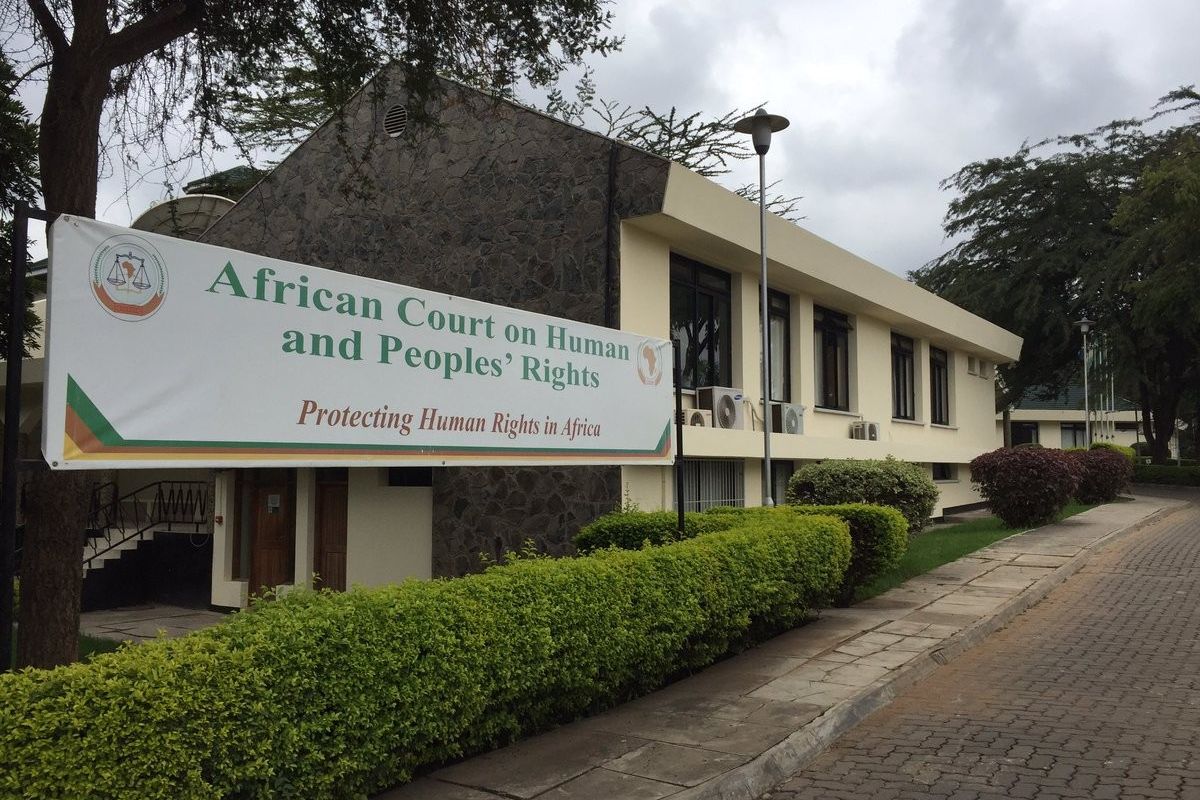
Lawyers for Human Rights and Young Voices for Climate Justice have asked the African Court to clarify what African states must do to protect children from climate change and to hold polluters responsible.
Conviction Staff ReporterBy Conviction Staff ReporterJuly 25, 2026No Comments
Facebook Twitter Pinterest LinkedIn WhatsApp Reddit Tumblr Email
Lawyers for Human Rights and Young Voices for Climate Justice have filed submissions before the African Court seeking stronger protection for children affected by climate change.
Share
Facebook Twitter LinkedIn Pinterest Email
  • The organisations have submitted a joint friend of the court brief to the African Court on Human and Peoples' Rights.
  • These submissions share firsthand stories from South African children about the effects of floods, mining pollution and extreme heat on their lives.
  • The organisations want the court to make governments do more to protect children, regulate companies and offer real solutions for climate-related harm.

Lawyers for Human Rights (LHR) and Young Voices for Climate Justice (YV4CJ) have filed a joint friend of the court brief before the African Court on Human and Peoples' Rights in a case that could influence how African governments deal with the climate crisis.

This intervention is part of a request by the Pan-African Lawyers Union (PALU), asking the African Court for an official opinion on what African states are required to do under regional human rights law to tackle climate change. This is the first time Lawyers for Human Rights has made a formal submission to the African Court.

Now accepted as friends of the court, LHR and YV4CJ argue that the court should shape governments’ obligations not just with laws and science, but also with the real experiences of children and young people who are already living with the effects of climate change.

Children’s voices brought to the court

As part of their submission, the organisations included a collection called "Love Letters to the Court" written by children and young people aged 10 to 25 from communities across South Africa.

These letters talk about the daily effects of environmental damage, showing what the organisations call a deep injustice. Children and young people contribute the least to climate change, but they suffer some of the worst and longest-lasting effects of inaction.

Young people from Durban share how the devastating April 2022 floods caused them physical and emotional trauma, describing being displaced, dealing with stagnant water and facing the spread of respiratory illnesses.

Children living in areas affected by mining, including Fleurhof and Tshepisong West in Johannesburg, talk about breathing toxic mine dust every day and connect pollution from mining to more cases of asthma, tuberculosis and silicosis.

Other young people explain that more severe heatwaves have made classrooms in townships unbearable, making it hard to concentrate and disrupting their right to education. University students also share how hotter temperatures have triggered painful flare-ups of chronic skin conditions like eczema.

Governments urged to strengthen environmental protections

With support from international lawyers, LHR and YV4CJ say that both the African Charter on Human and Peoples’ Rights and the African Charter on the Rights and Welfare of the Child clearly require governments to protect people from climate-related harm. The organisations have asked the African Court to clarify three key legal areas.

First is intergenerational equity. The groups argue that governments need to act with care and foresight to protect the environment for both today’s children and those to come, rather than passing environmental problems down to the next generation.

The second area is corporate accountability. Referring to the African Commission’s important SERAC v Nigeria decision, the applicants say governments break their human rights commitments when they fail to properly regulate, supervise or, when needed, punish companies and industries that harm the environment and threaten public health.

The third area covers accountability and remedies. The submissions ask the court to encourage new measures, like creating committees that give young people a say in climate policies, and making sure courts have child-friendly ways for children and youth to seek help for climate-related harm.

Children already living with today’s decisions

Lawyers for Human Rights said this case is an important step forward in strategic environmental litigation before the African Court.

The organisation stated, "This is LHR’s first formal intervention before the African Court, and it’s a turning point in how we approach environmental litigation. We are making sure that legal decisions about state responsibilities cannot be separated from the real voices of children who have to live with the results of government and corporate neglect."

Bongeka, a climate justice activist from Fleurhof, spoke about how mining pollution has affected her community. She wrote, "My interest in climate change grew when my elderly neighbour was diagnosed with TB and silicosis. Her lung diseases were caused by the toxic dust from the coal mine. The mine in my community makes the air dirty and hard to breathe. Breathing in dirty air is bad for our lungs and can lead to lung failure. Nobody deserves to suffer from what the mines cause."

Paul Junior Malinda, from Young Voices for Climate Justice in Tshepisong West, told the court, "We are not just inheriting the future; we are already living with the consequences of today’s decisions. Companies that pollute our air, contaminate our water, or damage our environment must be held responsible. They shouldn’t put profit before people’s lives."

The organisations have asked the African Court to issue an Advisory Opinion that sets clear regional standards, requiring African governments to protect children from climate harm, regulate polluting industries and make sure there are real remedies when environmental damage affects basic human rights.

Conviction.co.za

Get your news on the go. Click here to follow the Conviction WhatsApp channel.

African Court Children's rights climate change environmental law Lawyers for Human Rights
Share. Facebook Twitter Pinterest LinkedIn Tumblr Telegram Email
Conviction Staff Reporter

Conviction.co.za — Towards a Positive Impact on People

Related Posts

My soul is not happy: Sharpeville survivors take government to court over apartheid reparations

September 4, 2026

Sharpeville survivors and families of victims launch historic lawsuit against SA government

September 3, 2026

Community leaders gather to shape Tshwane housing and land justice together

August 24, 2026
Leave A Reply Cancel Reply

Prove your humanity: 5   +   5   =  

Subscribe to our newsletter:
Top Posts

Your driving licence at the gate: What estates can actually legally scan

Sponsor: My Estate LifeSeptember 6, 2026

Making sectional title rules that work: A practical guide

January 17, 2025

Protection order among the consequences of trespassing in an ‘Exclusive Use Area’

December 31, 2024

Between a rock and a foul-smelling place

November 27, 2024
Don't Miss
Labour Law
3 Mins Read

Mugg & Bean franchise fired waitress, then used alleged racist remark to justify it

By Kennedy MudzuliSeptember 11, 20263 Mins Read

The Labour Court upheld a CCMA finding that a Cape Town Mugg & Bean franchise unfairly dismissed a waitress before the alleged racist remark it later used in its defence.

Eviction law does not protect temporary homeless shelters from court-ordered eviction

September 11, 2026

Heritage without human rights is an empty celebration in democratic South Africa

September 10, 2026

Property practitioners trapped by BEE rule that left the industry in confusion

September 10, 2026
Stay In Touch
  • Facebook
  • Twitter
  • WhatsApp
Demo
About Us
About Us

Helping South Africans to navigate the legal landscape; providing accessible legal information; and giving a voice to those seeking justice.

Facebook X (Twitter) YouTube WhatsApp Twitch RSS
Latest posts

Your driving licence at the gate: What estates can actually legally scan

Sponsor: My Estate LifeSeptember 6, 2026

Making sectional title rules that work: A practical guide

January 17, 2025

Protection order among the consequences of trespassing in an ‘Exclusive Use Area’

December 31, 2024
OUR PICKS

Lawyers ordered to pay from their own pockets after refusing to abandon hopeless appeal

September 9, 2026

My soul is not happy: Sharpeville survivors take government to court over apartheid reparations

September 4, 2026

Inside the share scheme that brought down former Miss SA Tatum Keshwar-Wheatley

September 5, 2026
© 2026 Conviction.
  • Home
  • Law & Justice
  • Special Reports
  • Opinion
  • Ask The Expert
  • Get In Touch

Type above and press Enter to search. Press Esc to cancel.

Powered by
►
Necessary cookies enable essential site features like secure log-ins and consent preference adjustments. They do not store personal data.
None
►
Functional cookies support features like content sharing on social media, collecting feedback, and enabling third-party tools.
None
►
Analytical cookies track visitor interactions, providing insights on metrics like visitor count, bounce rate, and traffic sources.
None
►
Advertisement cookies deliver personalized ads based on your previous visits and analyze the effectiveness of ad campaigns.
None
►
Unclassified cookies are cookies that we are in the process of classifying, together with the providers of individual cookies.
None
Powered by